
How to Print Labels and Logos on Tincture Boxes
Tincture label printing is a key factor for the success of any tincture business. A readable, well-printed label generates confidence and makes the product recognizable. It communicates important information such as ingredients, dosage, and brand name. A dull or unreadable label, however, makes the product appear less trustworthy.
Good tincture boxes printing is as much about design as it is about utilizing the appropriate printing processes. Each color, font, and logo location has a story to tell about the brand. The proper selections can make tincture packaging look professional, invite buyers, and convey quality.
1. Importance of Tincture Label Printing
Building Brand Identity
Tincture labels remind customers of a brand. A printed logo is similar to a signature. It demonstrates consistency and creates recognition. Customers tend to purchase products that appear familiar and reliable. A professional labeling guide with creating that impression.
Communicating Product Details
Labels convey critical information. They contain ingredients, strength, quantity, and safety guidelines. A clean and legible print renders this information clear. Customers are more assured when product information is explicit.
Creating a Good First Impression
A label may be the first thing noticed on a product. A sharp logo and vibrant colors command attention. A good first impression can convert a curious glance into a sale.
2. Planning Prior to Printing
Selecting Ideal Box Material
The box material influences how logos and labels will look. Popular choices are:
Kraft paper: Natural, eco-friendly brown color.
White cardboard: Smooth finish ideal for crisp, colorful print.
Rigid boxes: Luxe option for high-end tincture packaging.
Smooth materials will work optimally with fine-detail printing, while textured materials provide an earthy touch.
Label Shape and Size Selection
Labels must correspond to the size of the tincture box. Large labels will wrinkle or cover up design elements. Smaller labels might not accommodate all necessary information. Optimally balanced label size enhances overall appearance and readability.
Determining Logo Position
The logo needs to be located where it is clearly visible. Typical logo design locations are:
Center front for best visibility
Top space for a simple layout
Side panel for contemporary designs
The positioning is subject to brand fashion and box design.
3. Printing Processes for Tincture Boxes
Digital Printing
Digital printing is one of the most widely used processes for tincture boxes. It is suitable for small to medium print runs. The process is digital-file-based, eliminating the requirement of printing plates.
Advantages:
Sharp and brilliant colors
Economically viable for low runs
Quick turnaround time
Digital printing is suitable for brands trying out new designs or printing low batches.
Offset Printing
Offset printing delivers high-quality output for bulk orders. It utilizes printing plates to imprint ink on the surface.
Advantages:
Exceptional color reproduction
Consistent output for high volumes
Professional appearance
This process is ideal for brands that need bulk tincture packaging with an upscale appearance.
Flexography Printing
Flexography printing applies flexible plates and fast-evaporating inks. It is ideal for flat or lightly textured surfaces.
Advantages:
Fast production rate
Wide range of materials compatibility
Long-lasting prints
Flexography is universally applied to custom packaging that requires robust and long-lasting designs.
Screen Printing
Screen printing uses thick ink layers via a mesh screen. It’s ideal for bold logos and full colors.
Advantages:
Ideal for basic designs
Resistant to long-term color quality
Suitable for various textures
This technique might not be suitable for intricate multi-color designs, though.
UV Printing
UV printing dries ink with ultraviolet light instantly. The finish is glossy and raised, feeling luxurious.
Advantages:
Quick drying process
Scratch-resistant finish
Gives a luxury feel
This process is commonly employed for special editions or luxury tincture boxes.
4. Label Finishing Options
Matte Finish
Matte finish provides a soft, non-glossy appearance. It feels smooth and contemporary. Matte labels are the best for organic or natural tincture brands.
Glossy Finish
A glossy finish brings out the color and reflects light. It is suitable for modern or luxury tincture products.
Soft-Touch Coating
Soft-touch coating is soft to the touch and gives an elegant feel. It gives a luxurious feel to custom tincture boxes with a design.
Embossing and Debossing
Embossing lifts some areas of the label, such as the logo. Debossing pushes them in. Both give a 3D effect that is premium.
Foil Stamping
Foil stamping applies a metallic finish with gold, silver, or holographic foils. It provides a luxurious feel and gains attention immediately.
Spot UV Coating
Spot UV emphasizes certain areas, such as brand names or images. It applies shine only where necessary, providing the label with a fashionable finish.
5. Designing the Label and Logo
Keeping the Design Simple
A minimal design is easy to identify. Too many fonts or colors may confuse the viewer. Clean and professional are the appearances of minimal designs.
Selecting Legible Fonts
Fonts need to be readable even when printed in small sizes. Sans-serif fonts are most commonly used for the tincture packaging of today.
Employing Brand Colors Appropriately
Brand colors assist with product recognition. Repeated use of colors instills customer trust. Utilizing colors consistent with the brand theme makes the packaging more appealing.
Incorporating Legal and Informative Texts
Labels need to include information like ingredients, instructions, and warnings. These should be clear to read but not overwhelm the layout.
Adding Eco-Friendly Messages
Eco-friendly consumers appreciate brands that are environmentally friendly. An illustrative printed message like “100% recyclable box” indicates responsibility and concern.
6. Quality Control during Tincture Label Printing
Print Alignment Check
The text and logo must be centrally aligned. Misalignment is amateurish and compromises the image of the brand.
Testing Color Accuracy
Colors must compare with digital design previews. A color discrepancy diminishes visual appeal. Accurate color proofing avoids this problem.
Ensuring Ink Durability
Ink must withstand smudging and fading. High-quality ink ensures enduring clarity.
Examining Label Adhesion
Labels must adhere strongly to the box without peeling. Adhesive strength testing guarantees lasting durability.
7. Green Printing Practices
Printing with Eco-Friendly Inks
Soy inks and water-based inks are environmentally friendly. They are less polluting and create vibrant colors.
Selecting Recyclable Materials
Paperboard boxes and Kraft boxes are recyclable and biodegradable. They conserve resources and attract environmentally aware consumers.
Minimizing Waste Ink
New digital printers consume less ink and energy. Effective printing techniques facilitate sustainability objectives.
Plastic Lamination Avoidance
Plastic coatings complicate the recycling of boxes. Employing green coatings, such as water varnish, maintains green packaging.
8. Brand Recognition Customization
Brand-specific Printing Solutions
Every brand can print specific designs, logos, and slogans. Custom printing on tincture boxes differentiates a product.
Incorporating QR Codes
QR codes link customers to websites or product data directly. QR codes add interaction and trust.
Printing Batch Numbers and Dates
Printing batch numbers or expiration dates adds safety and transparency. It allows customers to check product freshness.
9. Common Errors to Prevent in Label Printing
Low-Resolution Images
Fuzzy logos make companies appear amateurish. Use high-resolution graphics at all times for printing.
Poor Color Contrast
Black text on black backgrounds lowers readability. Select contrasting colors to be visible.
Crammed Design
There is too much information. Leaving sufficient white space enhances readability and visual equilibrium.
Box Texture Disregard
Some printing types are not compatible with textured boxes. Making the method suitable for the material prevents printing faults.
10. Cost Considerations in Tincture Label Printing
Mode of Printing
Digital printing is inexpensive for small orders. Offset printing is appropriate for large orders, but is more costly upfront.
Material Selection
High-quality materials such as stiff paperboard are more expensive but create greater brand value. Kraft boxes are cheaper.
Design Intricacy
Plain designs are less expensive to print. Intricate graphics or foil stamping increase expense but increase visual appeal.
Order Size
Large orders decrease the unit cost. Printing large quantities saves money while retaining quality.
11. Trends in Tincture Label Printing
Less is More Design
Clear designs using soft tones are still in style. Minimalist designs make products appear contemporary and reliable.
Transparent Labels
Transparent labels enable the color of the box to be visible. They provide a smooth and high-end look.
Vintage-Inspired Labels
Vintage fonts and pastel colors attract customers who enjoy retro packaging.
Metallic Inks and Holographic Foils
Metallic and holographic finishes are on-trend for luxury tincture packaging. They provide shine and draw the eye.
12. How Professional Printers Deliver Value
Advanced Technology
Professionals operate high-definition printing machines that provide clear output every time.
Specialist Guidance
Printing specialists assist in selecting the appropriate methods and finishes for each project.
Quality Control
Professional printing firms guarantee color precision, alignment, and resistance to wear.
Time Economy
Outsourcing saves time and ensures uniformity of outcome for every print run.
Conclusion
Tincture box printing is not just inking a box. It is the representation of quality, attention to detail, and vision for the brand. The correct printing technique, material, and finish transform plain packaging into a memorable brand experience.
A robust logo, clear readability, and satin print finish grab attention and create confidence. With proper selection, each tincture box becomes a silent communicator — telling the story of purity, professionalism, and pride.
Frequently Asked Questions (FAQs)
Q 1. What is tincture label printing?
Tincture label printing refers to the process of placing printed artwork, logos, and product information on tincture boxes. It makes brands appear professional and communicates vital information such as ingredients, usage, and brand name.
Q 2. What is the best printing method for tincture boxes?
Digital printing suits small orders since it is fast and cheap. Offset printing suits large orders requiring high color fidelity. Both produce crisp, clear, and long-lasting results.
Q 3. Are labels on tincture boxes waterproof?
Yes, labels can be waterproof using lamination, UV varnish, or special ink. These labels remain clear and legible even when the box is exposed to water.
Q 4. What kind of material is printed onto produce tincture labels?
Some of the common materials are Kraft paper, white cardboard, and rigid paperboard. Different materials impart varying texture and finish. Natural-looking Kraft boxes and premium-looking rigid boxes are available.
Q 5. How to put a logo on tincture boxes?
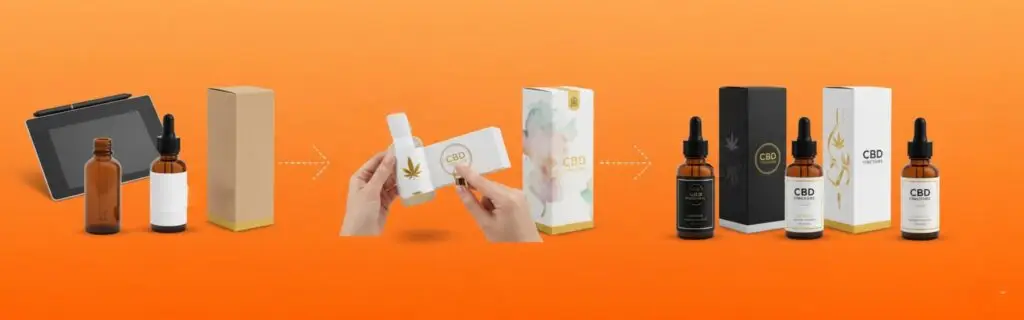
A logo can be imprinted directly on the box or incorporated via foil stamping, embossing, or UV printing. The technique varies with design style and price.