
Difference Between CBD Packaging and Hemp Packaging
Packaging these days also contributes much to the rise of the wellness market. Both CBD and hemp are in demand because of their natural benefits. However, many people get confused about their packaging. Though both products originate from the same plant family, CBD packaging and hemp packaging serve different purposes altogether.
Each product has some special distinction; hence, knowing it will enable one to make the right choice in packaging for the different types of products. Proper packaging instills trust and professionalism in your products.
This guide describes everything about CBD and hemp packaging, their differences, materials applicable in each, design, and the laws applied to them.
What is CBD Packaging?
Packaging of CBD: Cannabidiol, more normally referred to as CBD, is mostly a nonpsychoactive element in the cannabis family that is mainly found in hemp. It is used in oils, tinctures, creams, gummies, and capsules due to its calming and health-related benefits.
Since these products are sold for either wellness or therapeutic purposes, the custom packaging of such products has to follow even the most rigorous set of rules, which means that every product package needs to indicate through clear writing the content of CBD, ingredients, dosage, and warnings about safety.
Main Objectives of CBD Packaging
Protection from light, air, and moisture are some of the most important reasons for the packaging of CBD. Sunlight and heat weaken both the CBD oil and edible products. Some standard ways of packaging for CBD oil products include amber glass bottles, airtight jars, and foil pouches.
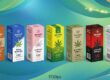
Other differentiation points for such a highly populated marketplace of CBD brands would include packaging: most companies selling CBD prefer to use custom-printed boxes in soothing colors with natural designs printed on eco-friendly materials.
What is Hemp Packaging?
Most hemp packaging is either made from fibers or pulp of the hemp plant. Because of its strength, sustainability, and biodegradability, it is naturally a very well-known resource. Unlike CBD, hemp packaging does not always hold CBD products; it might be used in cosmetics, clothes, food, and eco-friendly retail packaging.
From hemp paper to hemp cardboard, even to alternatives for hemp plastic, it’s fast becoming the favorite product among eco-conscious brands wanting to reduce waste while supporting greener living standards.
Main Objectives of Hemp Packaging
One of the most important themes in hemp packaging is sustainability. Hemp packaging reduces the consumption of plastic and other materials considered harmful. Due to their strength and resistance to tearing, the hemp fibers can generally be used in the manufacture of boxes, bags, and wrappings.
Indeed, this type of packaging has not only been used in the packaging of hemp products, but a number of companies operating in other lines of business have also widely applied it in order to show concern for the planet.
Key Differences in Packaging Between CBD and Hemp
- Purpose
The packaging of CBD protects and sells products containing the extract of CBD. Hemp packaging is made with materials of the hemp plant and is used in a great number of products.
While product safety, freshness, and branding are major focuses in the packaging of CBD, the packaging for hemp covers eco-friendliness and sustainability.
- Material Type
Glass, plastic, metal, and cardboard are among the package types used with various CBD products.
Most packaging involving hemp is made of either hemp paper, hemp cardboard, or a hemp-based plastic.
- Regulations
With any product packaging, including CBD, the packaging needs to be legally labelled regarding product strengths, active and inactive ingredients, and associated legal disclaimers.
In the case of hemp packaging, this may not be required since the hemp is used generally for packaging-related purposes.
- Focus
Most CBD packaging is in modern and soothing designs that make them look appealing to the health-conscious consumer. The very common colors among them are greens, blues, and whites.
Hemp packaging is earthy in nature and minimalist; it shows the love a brand has for the environment.
- End Use
Products containing CBD come in the forms of oil, cream, gummies, capsules, and tincture, while hemp is used in soaps, clothes, organic foods, and even in electronics.
Why CBD Packaging Matters
Note that the products of CBD are sensitive to heat, air, and light. Proper packaging will keep the product effective for a longer period of time. In addition, proper packaging instills confidence in customers about what they buy. Good packaging informs the buyers that a brand is keen on quality and safety.
Clear dosage and usage information on labels will prevent misuse and build confidence. The other important role of CBD is packaging. A good box of CBD guarantees a professional look for a product and hence gives it more chances to be bought over and over.
Why Hemp Packaging Matters
Hemp might turn out to be one of the best sustainable options for businesses involved in the packaging industry, as it will be contributing by reducing plastic pollution and giving an opportunity for even more ecological choices.
Since hemp grows extremely fast and requires no chemicals or pesticides, it is a great renewable material. One of the ways to signal that a brand pays attention to the environment and responsible production would be the use of packaging made from hemp. It also lends the packaging a natural feel and texture that many eco-conscious consumers find highly desirable.
Materials Used in Packaging of CBD
Glass Bottles
Glass bottles are used as standard vessels for CBD oil or tinctures. Amber or dark-colored glass is used to protect the oil from sunlight.
Plastic Containers
These are available as creams, balms, and gummies in plastic jars and bottles, each light and easy to carry.
Cardboard Boxes
These are printed cardboard boxes that house the main container. The boxes protect the product and provide areas for branding of logos and product information.
Foil Pouches
These foil pouches are perfect for CBD edibles or powder products to maintain freshness and dryness.
Materials Used in Hemp Packaging
Hemp Paper
This is strong, durable hemp paper, superior to wood paper, and intended for labels, wraps, and small boxes.
Hemp Cardboard
Thicker hemp board can be used for boxes and mailers. It is biodegradable and recyclable.
Hemp Plastic
It is made from hemp cellulose to produce hemp plastic. As such, it is bio-based, unlike traditional plastics. However, while strong, it degrades much faster than its petroleum-based counterpart.
Hemp Fabric
Because the hemp fabric is strong, soft, and reusable, it is used in making bags, wraps, and pouches.
Legal and Labeling Requirements
More legal packaging requirements surround packaging for CBD products than they do hemp.
All such packaging for CBD products should conform to all local and federal laws. They generally include:
- Ingredient list
- Amount of CBD per serving
- What does America’s destiny mean?
- Warning about THC content if any
- Storage instructions
- Manufacturer contact information
Such strict labeling is not called for in the packaging of hemp because it is only a material and not a controlled substance. However, many brands would print “100% hemp” or “eco-friendly” just to be transparent.
Design Trends in CBD Packaging
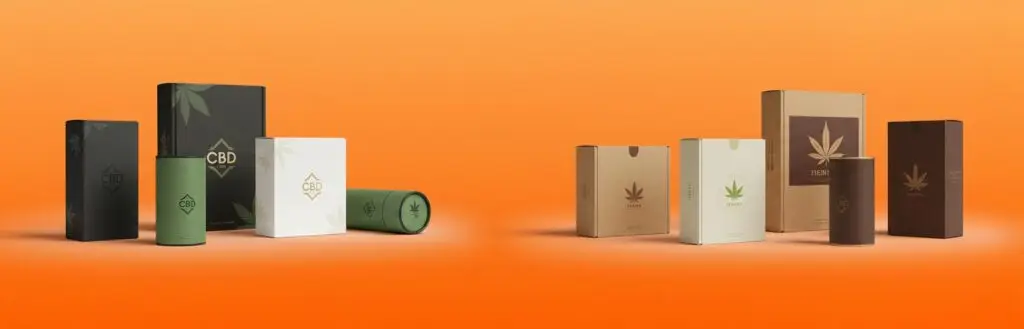
The packaging of modern CBD is about trust, calmness, and wellness. Minimal designs incorporating natural colors like green, beige, and white are highly in demand.
Some brands use child-resistant packaging for safety, while others add on tamper-evident seals to show product purity. Adding QR codes is also trending. It gives product information, lab results, and brand stories when scanned.
Design Trends in Hemp Packaging
Hemp packaging is all about earthy tones: brown, tan, green. The fonts are simple, and the layouts are clean to fit the natural theme.
Many eco brands will choose to leave the hemp packaging unbleached so that the raw texture can remain visible. This design choice feels honest and organic.
Appearance-wise, hemp paper gives off a rustic, handcrafted feel when printing on it, which clearly appeals to a wide range of customers.
Environmental Impact
On the question of sustainability, hemp packaging is squarely at the forefront. It is biodegradable, compostable, and renewable. Hemp crops clean the soil and grow much faster than trees.
The packaging of CBD can be eco-friendly when made using recyclable or biodegradable materials. Most modern-day CBD brands combine the benefits by using hemp-based packaging.
Selection of Proper Packaging
Whether to use CBD or hemp packaging depends on the type of product and brand messaging.
- Packaging for CBD oils and edibles is light- and air-protective.
- For eco-focused brands, hemp packaging demonstrates concern for nature.
- Both combined make a great combination, for example, hemp paper used for CBD boxes.
Future of CBD and Hemp Packaging
The future of packaging is looking greener and smarter, as many companies are increasingly shifting to sustainable, hemp-based solutions for all product types.
When the laws on CBD become clearer, brands will invest more in eco-friendly designs, QR tracking, and biodegradable materials.
Besides, consumers are demanding good-looking packaging that does not harm the environment.
Conclusion
There are both very important roles in today’s modern market: CBD packaging, which is focused on safe, fresh, and branded items, while hemp packaging focuses much on sustainability and eco-friendliness. The type will be selected based on product needs and by the message the brand wants to convey.
Using hemp-based materials for packaging creates a perfect balance of high quality, building trust, and care taken for the planet. As this trend proceeds to gain momentum, a mix of CBD safety with hemp sustainability is going to set new standards for the future of packaging.
FAQs About CBD and Hemp Packaging
Q 1: What is the difference between CBD packaging versus hemp packaging?
While CBD packaging pertains to products containing CBD extract, hemp packaging is made of fibers from the hemp plant.
Q 2: Can hemp packaging be used for CBD products?
Yes, hemp packaging can hold CBD products. It is a great way of making the packaging of CBD products eco-friendly.
Q 3: Is hemp packaging biodegradable?
Yes, hemp packaging is 100% biodegradable and compostable. It is one of the most eco-safe materials available.
Q 4: Are there any legal rules about hemp packaging?
While no strict rules apply to the packaging of hemp, clear labeling laws do apply to CBD packaging.
Q 4: Which packaging is better for the planet?
Hemp packaging is more sustainable because it’s made from renewable plant fibers.