
Comparing Tincture Boxes vs. CBD Boxes: What’s Better?
Packaging plays a very important role in the world of wellness and herbal products. Every small bottle or product needs safe and stylish packaging. Among the most popular choices are tincture boxes and CBD boxes.
Both options protect the product and also help in building a brand image. But which one is better? The answer depends on the type of product, customer needs, and design goals.
This article compares tincture boxes vs. CBD boxes in simple words to understand which works better for different situations.
Understanding the Basics
What Are Tincture Boxes?
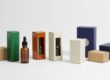
Tincture boxes are custom-made cartons designed for small glass bottles filled with tinctures.
Tinctures are liquid extracts made from herbs or plants, often mixed with alcohol or oil.
These boxes protect the delicate glass bottles from damage and keep the product safe from sunlight and moisture.
A tincture box also carries important information like the product name, ingredients, dosage, and brand logo.
Most tincture boxes are made from durable cardboard, kraft paper, or rigid stock. They are designed to be lightweight yet strong enough to handle shipping and display pressure.
What Are CBD Boxes?
CBD boxes are custom packaging solutions made for products that contain cannabidiol (CBD).
CBD is a compound found in hemp plants, used for relaxation, pain relief, and skincare.
These boxes can come in many forms, depending on the product inside — like CBD oils, gummies, creams, balms, or capsules.
CBD boxes focus on giving the product a premium, trustworthy, and compliant look because the CBD market is highly regulated.
Most CBD boxes include informational labeling, legal disclaimers, and batch tracking details to meet industry rules.
Key Differences Between Tincture Boxes and CBD Boxes
Although tincture boxes and CBD boxes may look similar at first, they serve different goals. Below are the main differences explained in simple terms.
Product Purpose
Tincture boxes are mainly designed for herbal liquid extracts in small bottles.
CBD boxes, however, can hold many different product types — oils, edibles, topicals, or capsules.
In short, tincture boxes are product-specific, while CBD boxes are product-diverse.
Design and Branding
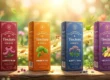
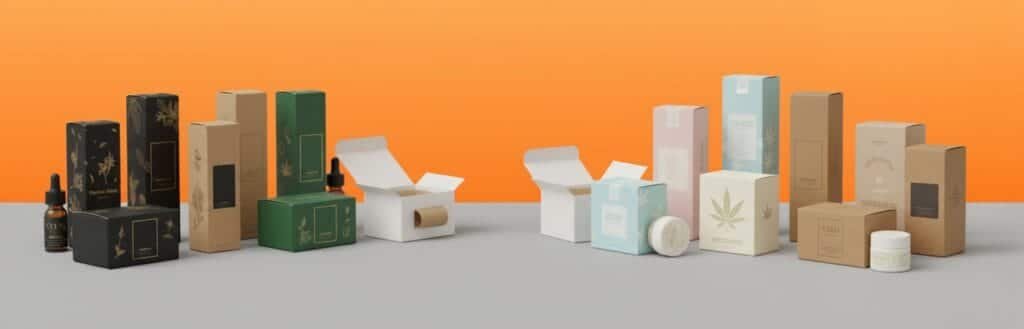
Tincture boxes usually have a minimal and natural look. Many brands use earthy tones, clean labels, and transparent windows. This helps show purity and simplicity.
CBD boxes often focus on modern and medical-inspired designs. They use soft colors like white, green, or blue to give a calm and trustworthy look.
Both can be customized with printing techniques such as foil stamping, embossing, spot UV, and matte or glossy finishes.
However, CBD boxes often need more detailed labeling for legal and safety reasons.
Material Choices
Both types use eco-friendly materials, but their structure may differ.
- Tincture boxes usually have thicker inserts or holders inside to protect glass bottles.
- CBD boxes may include dividers or trays for multiple items like sets or kits.
Common materials include:
- Kraft Paper for a natural look.
- Cardboard for flexibility and printing.
- Rigid Stock for a premium and strong feel.
Printing and Labeling
Printing is a major packaging difference between both.
Tincture boxes highlight product names, dosage, and brand identity.
CBD boxes include extra information, such as legal disclaimers, ingredient lists, and lab test results.
Because CBD products face strict rules in many countries, printing accuracy becomes a legal requirement, not just a design choice.
Size and Shape
Tincture boxes usually come in small sizes like 15ml, 30ml, or 60ml.
Their structure is tall and slim, perfect for small dropper bottles.
CBD boxes can be of any shape or size — from small jars to larger kits.
They may even have magnetic closures or slide-out trays for a premium feel.
Target Market
Tincture boxes mostly serve herbal, wellness, and natural medicine brands.
CBD boxes target a broader audience, including skincare, beauty, and health supplement users.
This difference in audience also affects the tone and design of the packaging.
Tincture boxes often look traditional and calming, while CBD boxes look modern and clean.
Which One Is Better for Branding?
Building Brand Recognition
Packaging is often the first thing a customer notices.
Tincture boxes help brands look pure, natural, and trustworthy.
CBD boxes, on the other hand, create a more professional and medical image.
If the goal is to show a natural, herbal identity, tincture boxes work better.
If the goal is to promote scientific reliability and modern wellness, CBD boxes may be a better choice.
Customization Options
Both box types allow full customization.
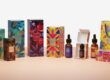
Designers can add brand colors, unique fonts, and patterns to make the product stand out.
Some popular customization features include:
- Embossing or Debossing for texture
- Foil Stamping for luxury appeal
- Spot UV Coating for shine
- Die-Cut Windows to showcase the product inside
In general, tincture boxes suit minimal and natural themes, while CBD boxes fit bold and modern themes.
Durability and Protection
Protection from Damage
Glass tincture bottles are fragile, so their boxes often have insert holders or cushions.
These help prevent breakage during shipping.
CBD boxes also focus on protection, but since not all CBD products are in glass bottles, the structure may vary.
For example, creams or gummies need moisture-resistant and airtight packaging.
Shelf Life and Safety
Both boxes protect the product from sunlight, air, and dust.
However, tincture packaging often needs UV-blocking layers because herbal tinctures lose strength in sunlight.
CBD boxes may use foil or laminated interiors to prevent air exposure and extend product freshness.
Legal and Labeling Requirements
The CBD industry has more strict packaging rules than regular tinctures.
CBD boxes must include:
- Product name and CBD content
- Ingredient list
- Batch number and expiry date
- Legal disclaimers
- Usage instructions
Tincture boxes usually need only basic product and brand information.
So, for compliance and legal approval, CBD boxes demand more precision than tincture boxes.
Eco-Friendliness and Sustainability
Both packaging types can be eco-friendly when made with recycled or biodegradable materials.
Kraft paper and corrugated cardboard are top choices for sustainable packaging.
Brands today prefer using soy-based inks and water coatings to reduce chemical waste.
Whether for tinctures or CBD, green packaging not only helps the planet but also improves brand image.
Cost Comparison
Production Cost
Tincture boxes are usually cheaper to produce because they have a simpler design and smaller size.
CBD boxes may cost more due to larger sizes, added safety features, and complex labeling.
Printing and Customization Costs
Advanced printing methods like foil stamping or embossing increase costs for both.
But CBD packaging often needs extra regulatory information, which slightly increases printing costs.
Bulk Orders
Ordering in bulk always reduces costs for both types.
Many packaging suppliers offer discounts on wholesale tincture and CBD boxes, making them more affordable for brands.
Consumer Appeal
Visual Impact
At retail stores or online, first impressions matter.
Tincture boxes give a soothing, natural look that attracts health-conscious buyers.
CBD boxes, with their modern design, appeal to a wider, lifestyle-focused audience.
Both designs can attract attention, but the target audience decides which one fits better.
Unboxing Experience
Good packaging enhances the unboxing experience.
Tincture boxes often have smooth openings and clean interiors.
CBD boxes may offer magnetic closures or luxury finishes for an elegant touch.
An enjoyable unboxing experience increases customer satisfaction and brand loyalty.
When to Choose Tincture Boxes
Tincture boxes are the better option when:
- The product is herbal or natural.
- The packaging needs to be small and simple.
- A calm, earthy design fits the brand image.
- The brand wants cost-effective yet protective packaging.
They are perfect for small herbal drops, plant-based medicines, or essential oils.
When to Choose CBD Boxes
CBD boxes are the better choice when:
- The product contains CBD extracts.
- The packaging must meet legal standards.
- The design needs to look modern and professional.
- The brand sells various CBD products under one line.
They work well for oils, gummies, capsules, skincare, and wellness kits.
The Future of Both Packaging Types
The demand for tincture and CBD packaging is growing rapidly.
Future trends point toward eco-friendly, smart, and interactive packaging.
QR codes, holographic seals, and tamper-proof designs are becoming popular.
Brands that combine sustainability with technology will lead the market in the coming years.
Conclusion: Which Is Better?
Both tincture boxes and CBD boxes have their own strengths.
Tincture boxes focus on simplicity, natural appeal, and bottle protection.
CBD boxes highlight compliance, premium presentation, and diverse product use.
The best option depends on product type, target audience, and brand message.
For a pure herbal identity, tincture boxes are perfect.
For a modern, trusted wellness brand, CBD boxes offer better value.
FAQs About Tincture Boxes vs. CBD Boxes
Q1: Are tincture boxes and CBD boxes made from the same materials?
Both often use cardboard, kraft, or rigid stock, but CBD boxes may need extra layers for protection and labeling.
Q2: Can tincture boxes be used for CBD oils?
Yes, but the box must meet CBD labeling and compliance standards before use.
Q3: Which packaging is more eco-friendly?
Both can be eco-friendly when made with recyclable or biodegradable materials.
Q4: Do CBD boxes cost more?
Yes, CBD boxes usually cost more due to extra printing and compliance requirements.
Q5: Can both box types be customized?
Yes, both allow full customization, including finishes, colors, and logos.