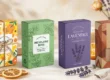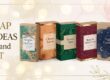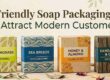

Best Material Choices for Durable Soap Packaging
Soap packaging needs a strong material. Good packaging keeps soap safe, fresh, and clean. Many brands need durable boxes because soap can break or lose shape. A strong box also helps the product look neat and professional.
This guide explains the best material choices for durable soap packaging in very easy words. Every part is simple, clear, and helpful for brands that want safe and long-lasting packaging.
Why Durable Soap Packaging Matters
Durable packaging protects soap from many risks. Soap can get damaged if the box is weak. Strong material keeps the soap in good shape from the factory to the store shelves.
Durable packaging also creates trust. A strong box shows care and quality. It also helps a brand stand out in a crowded market.
Main Factors That Decide Good Soap Packaging Material
Many things matter when choosing the best soap custom packaging material. A few important factors help in picking the right option:
Type of Soap
Some soaps are soft and easy to dent.
Some soaps are hard and strong. Soft soaps need a thick and rigid stock box. Hard soaps stay safe even in thin boxes.
Brand Style
The packaging shows the style of a brand.
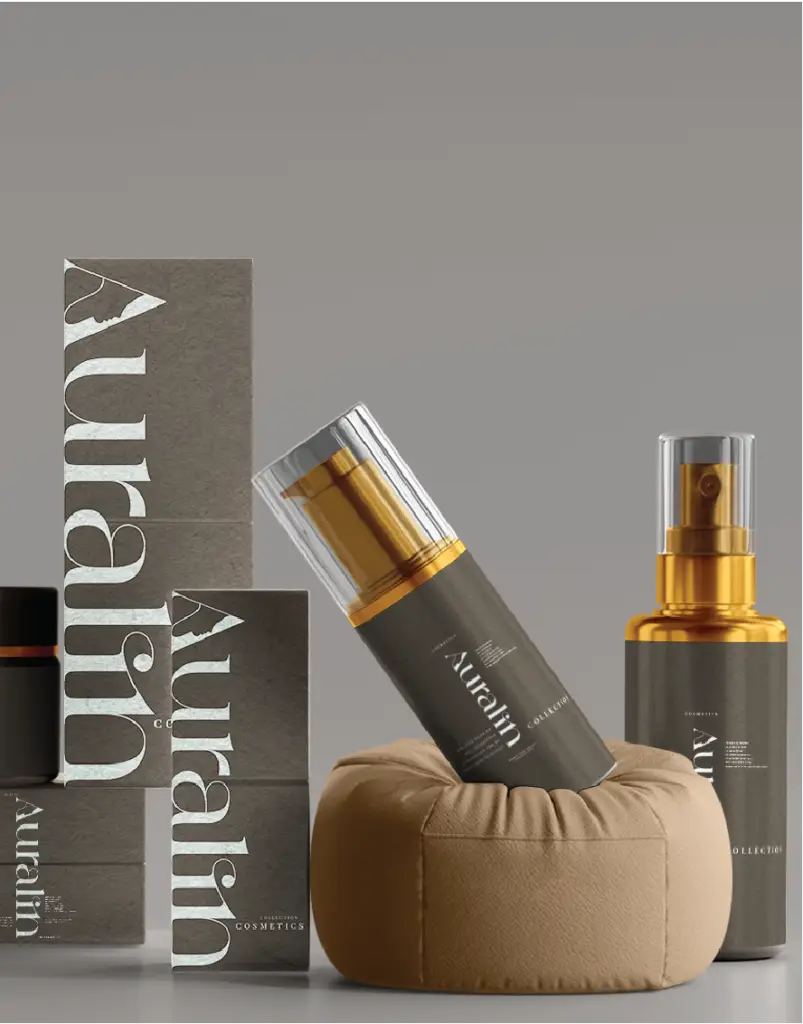
A luxury brand needs premium material.
A natural brand needs earthy and eco-friendly materials like kraft.
A modern brand may choose simple and clean packaging.
Budget
Different materials have different costs.
Cardboard is budget-friendly. Rigid boxes cost more. Kraft is affordable and strong.
The right choice depends on the budget plan.
Shipping Method
Long-distance shipping needs stronger materials.
Heavy handling also needs durable packaging.
Local delivery can work with lighter materials.
Top Material Choices for Durable Soap Packaging
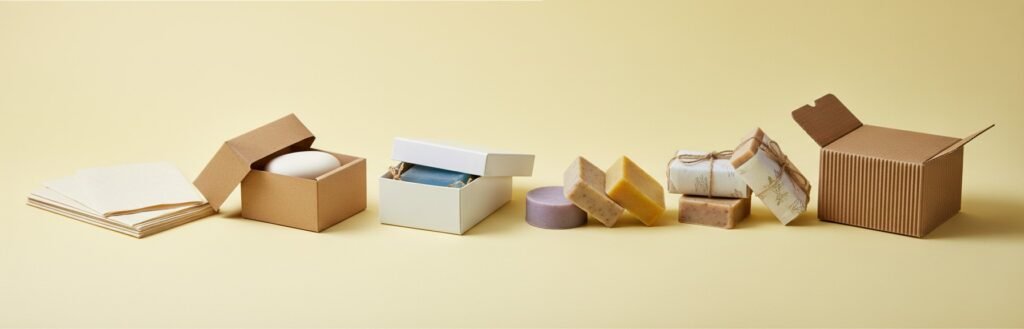
Now, let’s explore the best materials for strong and long-lasting soap boxes. These materials are widely used and trusted by many brands. Each option provides great protection.
Cardboard Soap Packaging
A Popular and Budget-Friendly Choice
- Cardboard is one of the most common materials for soap packaging.
- It is strong and lightweight.
- It looks neat and helps the soap stay safe inside.
Why Cardboard Is Great
- Cardboard gives a smooth and clean look.
- Printing on cardboard looks sharp. Colors, designs, and logos print well on it.
- Cardboard is also affordable for small and large brands.
Durability Level
- Cardboard can handle normal pressure.
- It keeps the soap safe during display and short delivery routes.
- It is not ideal for heavy or rough shipping.
Best For
- Everyday soaps
- Beauty soaps
- Handmade soaps
- Medium-size brands
Kraft Soap Packaging
Strong, Eco-Friendly, and Affordable
- Kraft material is brown and natural-looking.
- It is made from recycled paper.
- It is strong and gives a rustic and eco-friendly look.
- Kraft is very popular in natural and organic product lines.
Why Kraft Is Great
- Kraft is tear-resistant and durable.
- It stays strong even with daily handling.
- It also absorbs light pressure without bending.
- Kraft supports eco-friendly branding.
Durability Level
- Kraft provides excellent strength.
- It keeps soap safe during transport.
- It handles moisture better than regular cardboard, but still needs a dry place.
Best For
- Natural soaps
- Organic skincare bars
- Herbal soaps
- Eco-friendly brands
Rigid Soap Boxes
Premium Material for High-End Soap Packaging
- Rigid boxes are thick and luxurious.
- Many luxury brands use rigid packaging to show class and value.
- The material is strong and does not bend easily.
Why Rigid Boxes Are Great
- Rigid boxes offer excellent protection.
- Even a heavyweight cannot damage them easily.
- They give a premium unboxing experience, making the product feel expensive.
Durability Level
- Rigid boxes offer top-level durability.
- They protect soap from pressure, moisture, and drops.
- Perfect for premium soaps.
Best For
- Gift soaps
- Luxury soaps
- Designer soap collections
- Premium brands
Corrugated Soap Packaging
Best for Shipping and Long Travel
- Corrugated material has fluted layers inside.
- These layers give extra strength and shock absorption.
- Corrugated boxes are mainly used for shipping and bulk orders.
Why Corrugated Is Great
- Corrugated boxes protect soap from damage during long travel.
- They keep the soap safe even when moved, stacked, or dropped.
- The material is thick and safe for transport.
Ductility Level
- Corrugated material gives top protection.
- Strong, stable, and shock-resistant.
- Handles moisture better than regular cardboard.
Best For
- Bulk soap shipments
- Wholesale orders
- Long-distance delivery
Paperboard Soap Wrappers
Lightweight yet Strong Enough for Regular Use
- Paperboard is thinner than cardboard but still good for simple soap packaging.
- Many brands use paperboard for everyday soap bars in stores.
Why Paperboard Is Great
- Lightweight and easy to shape.
- Prints well and looks clean.
- Cost-effective for brands with tight budgets.
Durability Level
- Moderate protection.
- Works well for shelf display but not for heavy travel.
Best For
- Shelf display soaps
- Beauty bars
- Bulk production
Plastic Soap Wrappers
Moisture-Tight and Protective
- Used for soaps needing extra moisture control.
- Plastic wraps or containers protect soap from water damage.
Why Plastic Is Great
- Keeps moisture out.
- Helps soap stay fresh and fragrance strong.
- Plastic molds give a clean and modern look.
Resistance Grade
- Strong and waterproof.
- Protects from humidity and rough handling.
Best For
- Glycerin soaps
- High-moisture soaps
- Soaps sold in wet places
Tin Soap Packaging
Trendy & Reusable Metal Option
- Tin boxes look stylish and feel strong.
- Many premium soaps come in tin containers.
- Tin is long-lasting and protects soap from all sides.
Why Tin Is Great
- Waterproof, durable, and reusable.
- Adds extra value.
- Feels premium and gift-ready.
Durability Grade
- Excellent protection from heat, moisture, drops, and pressure.
Best For
- Novelty soaps
- Specialty soaps
- Premium collections
Biodegradable Soap Packaging
Non-Toxic to Nature yet Sufficiently Powerful
- Made from plant-based materials.
- Popular with eco-friendly brands.
Why Biodegradable Is Great
- Breaks down naturally.
- Gives good protection and looks clean.
Durability Level
- Moderate to high durability depending on thickness.
Best For
- Eco-focused brands
- Natural soaps
- Handcrafted soaps
Which Material Is Most Suitable for Long-Lasting Soap Wrapping?
- For premium and gift soaps → Rigid or Tin
- For eco-friendly branding → Kraft or Biodegradable
- Corrugated → For shipping
- For Common Soaps → Cardboard or Paperboard
- For moisture protection → Plastic or Tin
Every material has a role. The right choice depends on style, budget, and the strength level needed.
Extra Features for Making Soap Packaging More Durable
Lamination: Gloss or matte lamination protects boxes from scratches and moisture.
UV Coating: Adds shine and protects print from fading.
Foil Stamping: Adds style and makes the box look premium.
Embossing and Debossing: Adds texture and enhances branding.
Inner Liners: Protect soap from moisture and heat.
Window Cutouts: Lets shoppers see the product without opening the box.
How to Choose the Right Material for Soap Packaging
Step 1: Understand the Soap Type
- Soft soaps need thicker material.
- Hard soaps need normal protection.
Step 2: Check the Brand Look
- Premium brands need rigid or tin.
- Natural brands need Kraft.
Step 3: Set the Budget
- Choose the material that suits the cost plan.
Step 4: Shipping
- Local shipments need light packaging.
- Long routes need heavy boxes.
Step 5: Choose an eco-friendly option when possible.
- Kraft and biodegradable packaging provide strength and sustainability.
Advantages of Using Hardy Soap Packaging Material
Better Product Safety: Prevents bending, breaking, or melting.
Improved Brand Image: Provides a neat and professional outlook.
Improved Customer Trust: Shows care and quality.
Longer Shelf Life: Keeps soap fresh longer.
Better Marketing Value: Appeals both in-store and online.
Closing Remarks
Durable soap packaging needs the right material choice. Many materials offer strength, style, and safety. The best option depends on product type, brand look, and budget. Strong packaging protects the soap and improves the overall product experience. The right material helps the brand stand out and build trust with buyers.
FAQs for Soap Packaging that Lasts
Q 1: Which material is the strongest for soap packaging?
Rigid material stays firm, does not bend, and offers high protection for premium soaps.
Q 2: Which packaging material is best for eco-friendly soaps?
Kraft and biodegradable materials work best.
Q 3: Which material protects soap during long shipping?
Corrugated material protects soap with fluted layers.
Q 4: Does Kraft material remain strong during travel?
Yes, Kraft handles pressure well during normal travel.
Q 5: Which material gives a premium look to soap packaging?
Rigid boxes and tin packaging give a premium and luxurious look.
Q 6: Which material works well for soft soaps?
Soft soaps need thick and rigid packaging.
Q 7: Is cardboard suitable for everyday soap packaging?
Cardboard is lightweight, affordable, and strong enough for short delivery routes.
Q 8: Which package will protect soap from moisture?
Plastic material and tin containers protect soap from moisture.
Q 9: Can paperboard material keep soap safe on store shelves?
Yes, good for display and basic protection.
Q 10: Which material is best for gift sets of soaps?
Rigid material and tin boxes give a classy feel and strong protection.
Q 11: Which material is best for handmade or artisanal soaps?
Kraft or paperboard packaging works well, providing a natural, eco-friendly look while keeping the soap safe.
Q 12: Can biodegradable packaging handle moisture?
Biodegradable packaging offers moderate protection, but it should be kept dry to maintain durability.
Q 13: Which packaging material is best for long-term storage of soaps?
Rigid boxes or tin containers are ideal for long-term storage as they protect soap from pressure, moisture, and damage.
Q 14: Are corrugated boxes reusable for multiple shipments?
Yes, corrugated boxes are strong and durable, making them reusable for multiple shipping cycles if handled properly.
Q 15: What material is best for visually appealing retail display?
Paperboard, Kraft, and rigid boxes print well and look neat on shelves, making them perfect for attractive retail presentation.
Creating a unique tincture box style requires careful planning, attention to materials, design elements, finishes, and functionality. This guide explains each step in simple, clear English to help businesses design high-quality tincture boxes.
Why Tincture Box Style Matters
Tincture boxes are more than containers. They represent the brand and product quality. A well-designed box creates trust and encourages customers to choose the product over competitors. Packaging affects customer perception before the product is even opened.
Key Benefits of Good Tincture Packaging
Protection: Strong boxes protect fragile tincture bottles during shipping and storage.
Brand Identity: Design communicates brand values and product quality.
Customer Attraction: Unique designs attract attention on shelves and online stores.
Information Display: Boxes provide space for essential product information, instructions, and ingredients.
Unboxing Experience: Creative packaging can delight customers and encourage repeat purchases.
Understand the Product and Audience
The first step in creating a tincture box style is understanding the product and target audience. Different tinctures serve different purposes. Some are herbal, some for relaxation, and others for energy or health support. Packaging should reflect the product’s purpose.
Steps to Understand the Audience
- Identify Age and Lifestyle: Young adults, older adults, and wellness-focused individuals may prefer different designs.
- Analyze Competitors: Study other tincture brands to find gaps in design and opportunities for uniqueness.
- Choose Colors and Fonts: Colors should match the product’s mood or benefits, and fonts should be readable.
- Sustainability Preferences: Eco-conscious customers may prefer recycled or biodegradable packaging.
Select the Right Box Type
Tincture boxes are available in several styles. Choosing the right type is essential for product safety, aesthetics, and cost.
Rigid Boxes
Rigid boxes provide a premium look and feel. They are durable, protect fragile bottles, and are suitable for luxury tincture brands. Rigid boxes allow detailed printing and special finishes that make the brand appear high-end.
Folding Cartons
Folding cartons are lightweight and cost-effective. They are ideal for mass production. Folding cartons are easy to print on and can include custom inserts to hold bottles securely.
Sleeve and Insert Boxes
Boxes with sleeves and inserts are perfect for fragile bottles. Inserts prevent bottles from moving during shipping, ensuring safety and a professional appearance. Sleeve and insert designs also improve the unboxing experience, adding perceived value to the product.
Choose Materials and Finishes
The material used in a tincture box affects durability, aesthetics, and customer perception. Popular materials include paperboard, kraft paper, and recycled cardboard.
Paperboard
Paperboard is smooth, lightweight, and easy to print on. It allows vibrant colors and detailed graphics. Paperboard is cost-effective for medium to large-scale production.
Kraft Paper
Kraft paper provides a natural and eco-friendly look. It works well for herbal or organic tincture brands. Kraft boxes appeal to environmentally conscious customers.
Special Finishes
Special finishes create a premium feel:
- Matte Finish: Soft, elegant, and modern appearance.
- Glossy Finish: Bright and eye-catching with reflective shine.
- Spot UV: Highlights logos or product names.
- Foil Stamping: Adds metallic accents for a luxurious look.
- Embossing/Debossing: Creates raised or recessed textures for tactile appeal.
Water-Based Inks
Water-based inks are eco-friendly and safe for health-conscious products. They also produce sharp colors without harming the environment.
Focus on Brand Identity Through Design
Design elements communicate brand identity and product quality. Colors, fonts, graphics, and logos should be consistent across all products.
Color Selection
Colors influence customer perception and mood. Choose colors based on product benefits:
- Green: Organic, herbal, or natural products.
- Blue: Calm, relaxation, or wellness tinctures.
- Gold/Black: Premium, luxury, or high-end products.
- Earth Tones: Health, balance, and natural remedies.
Typography
Clear and readable fonts are essential for product information. Combining one decorative font with one simple font improves readability while adding style.
Logo Placement
Logos should be prominent for brand recognition. Common placements include the front center, top flap, or sides of the box.
Patterns and Illustrations
Illustrations of plants, herbs, or tincture ingredients can make the box attractive. Subtle patterns add elegance without overcrowding the design.
Include Essential Product Information
A tincture box must display clear and readable product information to guide customers and meet regulations.
- Product name and type of tincture.
- Ingredients list with dosage instructions.
- Expiry date and batch number.
- Certifications, such as organic, cruelty-free, or non-GMO.
- Manufacturer or distributor information.
- Website or QR code for additional product details.
Proper spacing and font size ensure readability. Highlight important information with bold or colored text.
Enhance User Experience
Packaging should provide a positive experience from opening to usage. Functional boxes improve convenience and safety.
Easy-Opening Boxes
Boxes with magnetic flaps, tuck-in closures, or slide-out designs make opening effortless. Customers appreciate smooth and intuitive packaging.
Secure Inserts
Custom inserts keep bottles in place. Cardboard, foam, or molded pulp inserts prevent breakage and shaking during transport.
Unboxing Experience
A satisfying unboxing experience encourages repeat purchases and social sharing. Including details like tissue paper, stickers, or small cards with tips enhances customer delight.
Eco-Friendly Packaging Practices
Sustainable packaging is increasingly important to customers and brand reputation.
- Use recycled cardboard or paper.
- Avoid plastic films and excessive packaging.
- Use water-based or soy-based inks.
- Encourage customers to recycle the box.
Eco-friendly packaging strengthens brand trust and aligns with global sustainability trends.
Optimize for Shipping and Storage
Tincture boxes should protect bottles and reduce shipping costs.
- Reinforce edges and corners for durability.
- Keep boxes compact to minimize storage and shipping space.
- Use inserts and padding to prevent breakage.
- Ensure stackability for efficient warehouse storage.
Proper packaging reduces returns due to damaged bottles and improves customer satisfaction.
Test and Refine Design Concepts
Testing is crucial for creating effective packaging. Prototypes help evaluate design, usability, and safety.
- Create physical mockups to check bottle fit.
- Gather feedback from customers or focus groups.
- Evaluate durability under shipping conditions.
- Refine colors, fonts, or finishes based on results.
Testing ensures the final design balances beauty, functionality, and protection.
Printing Techniques for a Unique Look
Advanced printing techniques can make tincture boxes visually appealing.
- Offset Printing: High-quality, accurate colors for large runs.
- Digital Printing: Ideal for small runs and custom designs.
- Embossing/Debossing: Adds texture and tactile appeal.
- Foil Stamping: Creates a shiny, luxurious effect.
- Spot UV: Highlights important elements like logos or names.
Combining printing techniques enhances visual and sensory appeal.
Customization Options
Custom tincture boxes can differentiate products and increase brand value.
- Personalized labels for limited editions.
- Seasonal packaging for special promotions.
- Unique box shapes reflecting brand identity.
- Special inserts for gift sets or bundles.
Customization increases customer engagement and loyalty, creating a premium perception.
Maintain Consistency Across Product Lines
Consistency strengthens brand identity and helps customers recognize the brand quickly.
- Use consistent colors and fonts.
- Keep logo placement uniform.
- Maintain a standard box style across products.
- Ensure information layout is similar across boxes.
Consistent branding increases trust and improves customer recognition.
Promote the Brand Through Packaging
Tincture boxes serve as silent marketing tools. Unique packaging attracts attention and encourages brand promotion.
- Eye-catching colors and designs for retail shelves.
- Social media-friendly unboxing to increase online visibility.
- QR codes linking to product information, videos, or usage guides.
- Branded messages or tips for health and wellness.
Packaging acts as a first touchpoint for marketing and storytelling.
Common Mistakes to Avoid
Designers and brands should avoid common errors that reduce packaging effectiveness:
- Overcrowding boxes with text or graphics.
- Using poor-quality materials that damage during shipping.
- Ignoring the target audience’s preferences.
- Skipping protective inserts for fragile bottles.
- Choosing colors or fonts that are hard to read.
Avoiding mistakes ensures safety, aesthetics, and customer satisfaction.
Conclusion
A unique tincture box design improves sales, builds brand identity, and delights customers. Every detail—from materials, colors, and fonts to inserts, finishes, and functionality—plays a crucial role. Sustainable packaging, thoughtful design, and consistency across product lines enhance customer experience. Careful planning and testing result in packaging that protects products, communicates brand values, and creates lasting impressions. By focusing on quality, uniqueness, and usability, tincture boxes become a key tool for business growth.
FAQ About Tincture Box Design
Q 1: What materials work best for tincture boxes?
Paperboard, kraft paper, rigid cardboard, and recycled materials are best for durability and printing.
Q 2: How to make tincture boxes look premium?
Special finishes like matte, gloss, foil stamping, embossing, or spot UV create a high-end look.
Q 3: How to protect tincture bottles in boxes?
Custom packaging inserts, reinforced edges, and sturdy materials prevent breakage.
Q 4: Are eco-friendly tincture boxes possible?
Yes, using recycled paper, avoiding plastics, and water-based inks make packaging eco-friendly.
Q 5:Why does packaging matter for tinctures?
Packaging attracts customers, communicates product quality, and enhances the unboxing experience.