
Top-Rated Material Choices for Durable Tincture Packaging
Durable tincture packaging plays a big role in product safety. Many tincture bottles stay fragile because most bottles come in glass. Glass stays strong, but breaks easily when the box is weak. Good custom packaging keeps every bottle safe from cracks, leaks, and pressure.
The best material also supports brand trust. Strong packaging helps the product look professional on store shelves and online shops. Customers feel confident when the bottle stays safe and clean.
This guide explains top-rated material choices for durable tincture packaging in very simple language. Every option stays easy to understand and easy to compare. The article also covers what makes these materials strong, how each material works, and how each one supports brand image.
Why Strong Material Matters in Tincture Boxes
Durable packaging protects the fragile bottle during shipping. Long travel stresses the box, so strong material reduces damage. Many brands lose money when boxes are crushed or torn. The right material avoids returns and refunds.
The right material also keeps the liquid safe. Most tinctures contain oils or herbal blends that need careful handling. Strong boxes avoid moisture, sunlight, and heat damage.
Good packaging also builds a strong market image. A clean, firm, and well-designed box catches attention. The brand grows when the box looks premium, simple, and neat.
Top Material Choices for Durable Tincture Packaging
Below are the best material options for making strong, long-lasting tincture boxes.
Cardboard Stock for Light yet Strong Tincture Boxes
What Cardboard Stock Means
Cardboard stock stays light yet strong. It supports daily handling and short-distance delivery. Many small brands choose this material because the cost stays low.
Strength and Durability
Cardboard handles moderate pressure. It stays strong enough to protect a small glass bottle. It also bends slightly, so it does not tear quickly.
Best Uses for Tincture Packaging
Cardboard works well for standard tincture bottles like 15ml, 30ml, and 60ml sizes. It also helps when the packaging design needs soft graphics or simple print colors.
Why Many Brands Trust Cardboard
Cardboard stays eco-friendly and easy to customize. Print quality stays clean. Brand logos look sharp and bright. The box stays lightweight, helpful for shipping.
Kraft Paperboard for Natural and Eco Packaging
What Kraft Paperboard Means
Kraft paperboard stays a natural brown material. It comes from wood pulp and looks rustic and simple. It gives a natural theme to tincture products.
Strength and Durability
Kraft paper stays strong against pressure. The fibers create a tight structure. This helps the box handle the weight of glass bottles without bending too much.
Best Uses for Tincture Packaging
Kraft packaging suits herbal tinctures, organic blends, wellness drops, and plant-based products.
Why Brands Choose Kraft
Kraft supports sustainability. The natural look feels clean and safe. Many customers trust products in kraft packaging because it looks chemical-free and earthy.
Premium and Ultra-Strong Tincture Boxes made from Rigid Material
What Rigid Material Means
Rigid material stays thick and firm. It cannot bend easily. It feels premium and high-end.
Strength and Durability
Rigid boxes stay the strongest in all categories. These boxes protect tincture bottles during long delivery routes. Even heavy pressure rarely harms the bottle inside.
Best Uses of Tincture Packaging
Rigid boxes suit luxury tincture products. Brands selling premium formulas prefer rigid packaging because the packaging shows elegance and value.
Why Rigid Material is Unique
The surface stays smooth. The box looks expensive even before printing. It also holds inserts well. Foam inserts help the bottle sit safely without movement.
Corrugated Material for Long-Distance Shipping
What Corrugated Material Means
Corrugated material contains three layers. The middle layer stays wavy. The top and bottom layers stay flat. These layers create shock protection.
Strength and Durability
Corrugated boxes handle heavy pressure. These boxes stay safe for long-distance shipping and rough delivery paths. Corrugated materials protect better than standard cardboard.
Best Uses for Tincture Packaging
Corrugated works well when shipping multiple bottles in one box. It also suits wholesale orders.
Why Corrugated Material Helps
The box stays strong both inside and outside delivery trucks. The material handles stacking pressure and sudden impacts.
Metal Foil Material Used for Strong and Brilliant Packaging
What Metallic Foil Material Means
Metallic foil material adds a shiny layer to the box surface. It can be gold, silver, rose gold, or holographic.
Resistance and Strength
Foil layers increase resistance against moisture and dust. These layers also block sunlight. Tincture liquid stays safe when sunlight cannot enter the box.
Best Uses for Tincture Packaging
Foil boxes work well for modern and stylish tincture lines. Many skincare tinctures use foil packaging to look trendy.
Why the Difference in Material Counts-Foil
The shine attracts attention. The box looks richer and safer. Brands use foil finishes to stand out on shelves.
UV Coating for Extra Protection
What UV Coating Means
UV coating adds a clear layer on top of the box surface. The layer hardens with special light.
Strength and Toughness
UV coating protects printing from scratches. It also blocks moisture and minor spills. The box stays clean for a long time.
Best Uses of Tincture Packaging
UV-coated boxes work well where there is regular handling. Retail shops and delivery services like this coating because it prevents color fading.
Why UV Coating Helps Tincture Packaging
The coating adds shine and smoothness. It makes the box look polished. Brands use UV coating for a premium touch.
Plastic Containers for Extra Moisture Protection
What Plastic Material Means
Plastic packaging stays lightweight and strong. It avoids water damage completely.
Strength and Durability
Plastic does not tear. It stays strong under heavy use. It also keeps the bottle protected from leaks and humidity.
Best Uses of Tincture Packaging
Plastic works well for travel packs and medical tinctures that need complete moisture protection.
Why Plastic Packaging Works
It lasts longer in wet conditions. It also survives falls better than thin cardboard.
How to Choose the Best Material for Packaging Tincture
Check Bottle Weight
Heavy bottles need rigid or corrugated material. Light bottles work well in cardboard or kraft.
Check Product Safety Level
Herbal blends need protection from light. Foil or UV-coated boxes help with this need.
Verify Brand Image
Natural brands pick Kraft. Luxury brands choose rigid. Modern brands choose foil or glossy finishes.
Check Shipping Distance
Long delivery needs corrugated material. Short delivery needs cardboard.
Check Budget Range
Cardboard and kraft stay affordable. Rigid material stays expensive but premium.
Additional Tincture Box Protection Features
- Foam Inserts: Help the bottle stay stable and centered.
- Paperboard Dividers: Help when shipping multiple tincture bottles in one box.
- Child-Resistant Closures: Strong material holds child-resistant caps better.
- Tamper-Evident Seals: Show if the box opened before arrival, increasing customer trust.
Design Elements That Work Best with Each Material
- Cardboard and Kraft: Soft colors, matte finish, earthy tones, and simple fonts.
- Rigid material: Embossing, debossing, foil stamping, magnetic closures.
- Foil and UV-Coated Material: Bright graphics, glossy text, modern illustrations, bold logos.
Why Resilient Tincture Packaging Builds Brand Trust
The customer feels safe when seeing a clean, firm box. The product appears high-quality. Good packaging shows care. Strong material also avoids leaks and breaks. Fewer returns increase brand value.
Clean packaging also supports online reviews. Customers share pictures of neat packaging. Strong boxes build organic marketing.
Material Choice: Common Errors to Avoid
- Thin Material Application: Thin boxes crush easily, causing damage and lost sales.
- Ignoring Sunlight Protection: Some tinctures are weakened by sunlight.
- Choosing the Wrong Size: Loose space makes the bottle move. Tight space causes pressure. Correct sizing matters.
- Inserts Omission: Not installing inserts leads to damage during travel.
Conclusion
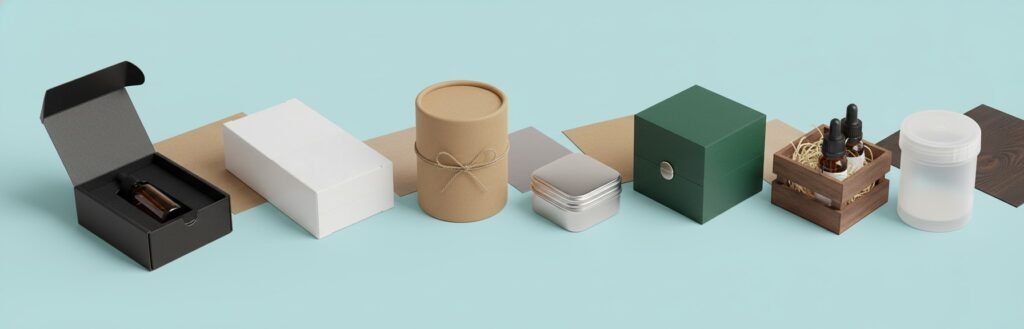
Durable tincture packaging protects the bottle, supports the brand, and improves customer trust. The best materials include cardboard, kraft, rigid, corrugated, foil, UV-coated surfaces, and plastic options. Each material holds a unique strength. Some materials support natural brands, some support luxury brands, and some suit long-distance delivery.
The perfect choice depends on bottle type, product safety needs, brand style, shipping plan, and budget. Strong material ensures safe delivery, clean presentation, and long product life.
This complete guide explains all top-rated material choices in simple language.
FAQ Section for Durable Tincture Packaging
Q1: What material stays best for fragile tincture bottles?
Rigid stock material stays the strongest. It protects glass bottles from pressure, drops, and rough handling.
Q2: Do Kraft tincture boxes stay strong enough to ship?
Kraft paperboard stays strong for short and medium-distance shipping. For long routes, corrugated material works better.
Q3: Which material looks most premium for tincture products?
Rigid boxes and foil-coated boxes look most premium. These options add shine, weight, and luxury appeal.
Q4: Can cardboard handle a heavy tincture bottle?
Standard cardboard handles a normal bottle weight. For heavy bottles, thicker cardboard or corrugated material is safer.
Q5: Does UV coating protect the tincture inside?
UV coating protects the box design from scratches and sunlight. It does not protect the inside liquid directly, but it keeps the packaging clean and strong.
Q6: Which material works best for organic tincture brands?
Kraft paperboard suits natural and organic tincture lines. Its brown look matches a clean and eco-friendly style.