

Beyond the Seal: Creative Tuck Box Design and the Future of Tape-Free Packaging
In luxury retail, the first experience starts with the product packaging. The touch and feel of the box matter a lot. This is where creative tuck box design plays an important role by combining safety and beauty. When there is no need for tape or glue, the box looks clean and premium. Designers use the natural strength of paperboard to keep the product secure. This creates a smooth and pleasant unboxing experience that modern, eco-conscious customers appreciate.
Tape-free, high-end packaging is not just a trend. It is a clear move toward sustainability. According to industry experts at Smithers, the demand for fiber-based packaging is increasing. Brands are looking for designs that are both strong and visually attractive. To create an effective creative tuck box design, designers must understand friction, tension, and folding techniques. These elements help hold the product safely in place while also allowing the custom packaging to tell the brand’s story. If you want it even simpler or more casual, I can adjust it further.
The Aesthetics of Friction: Designing for Visual Impact
The real magic of a creative tuck box design lies in the balance between strength and beauty. Smart folding techniques use tension to hold the box closed, removing the need for messy glue or tape. When a customer receives a package that stays perfectly closed using only structural design, it sends a clear message of precision and quality. This message is often weakened when tape is used.
This type of friction-fit design allows artwork to flow smoothly across all sides of the box. As a result, opening the package feels like a pleasant ritual instead of a struggle with plastic packaging. According to design insights from Dieline, a leading authority in packaging design, there is a growing trend toward monomaterial packaging. This means the package is made from a single material, without glue or tape.
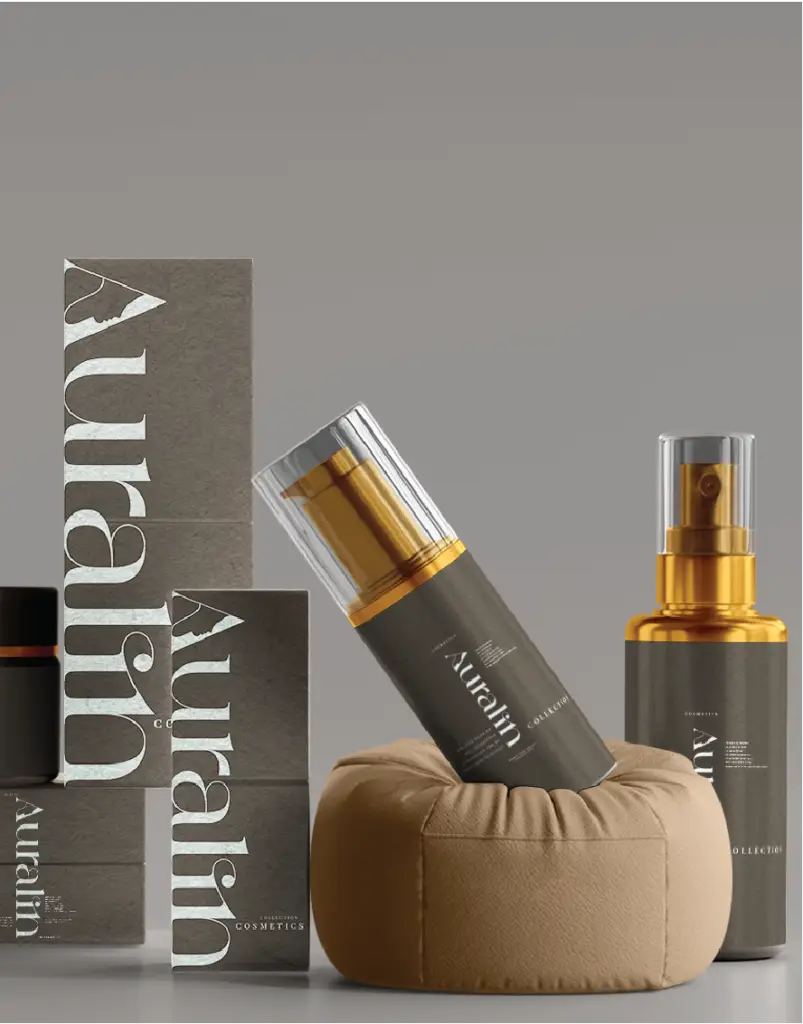
This approach is the foundation of modern creative tuck box design. It makes recycling much easier while still delivering a high-end, custom look. By focusing on details like the soft “click” of a well-designed tab and the gentle resistance of the side flaps. Designers can turn a simple utility item into a memorable brand experience. The final result feels secure, refined, and thoughtfully designed.
If you want, I can make it even more basic, shorter, or more marketing-friendly.
The Psychology of the Unboxing Experience: Building Brand Loyalty
The consumer’s emotional experience starts the moment they pick up a package. A creative tuck box design is the first “handshake” between the brand and the customer. Unlike regular boxes that are ripped open and thrown away, a tape-free tuck box opens slowly and carefully. These slower opening builds excitement.
This physical experience creates a psychological effect called the “endowment effect.” The feeling of opening the box makes the product inside feel more valuable. Experts at Packaging Strategies say that unboxing is now an important marketing tool. A tuck box that is easy to open and looks attractive is more likely to be shared on social media. This gives the brand free exposure, also known as “earned media.”
When a box opens smoothly instead of being torn open with tape, it shows quality and care. It tells the customer that the brand respects their experience. In this way, a simple purchase becomes a special and memorable moment.
Beyond the Standard Square: Geometric Innovations in Packaging
To stand out on a crowded store shelf, a box needs to look different. Moving away from the usual rectangular shape is a very effective way to get attention. Creative tuck box design gives brands the freedom to experiment with new shapes. By using hexagon, triangle, or pillow-shaped designs, a product can look unique at first glance. These shapes help the product stand apart from competitors. They are not just chosen for beauty. These designs use smart folding and internal tension to stay strong and stable. No tape or extra fasteners are needed.
Structural experts from Package Design Magazine explain that non-traditional shapes can actually make a box stronger. Pressure is spread more evenly along the folds. This helps prevent bending or collapse. Whether it is a long, slim box for a luxury pen or a solid hexagon-shaped box for a candle, these designs prove one thing. A box can be smartly engineered, visually interesting, and fully functional at the same time.
Materiality and Texture: Elevating the Tactile Experience
Today, most things are digital, so the feel of a package is very important. It lets a brand connect with the customer through touch. This is why choosing the right paper is very important for a creative tuck box design. Different papers feel different. Soft matte paper feels smooth. Kraft paper feels strong and natural. Shiny metallic paper feels fancy. These feelings affect how the tape-free box is opened and used.
Thick paperboard gives a nice “snap” that keeps the tuck closed. Textured papers, like linen or embossed patterns, feel fancy and nice. Using tape would spoil this feeling. Research from the Sustainable Packaging Coalition (SPC) shows that people now think good-feeling textures are real and high quality. A tuck box made from uncoated, FSC-certified paper can also show that the brand cares about the environment.
Designers can also add small raised patterns or shiny spots near the tuck flap. This helps the customer know where to open the box. It turns opening the box into a nice feeling that looks good and feels good.
The Canvas of the Flap: Utilizing “Hidden” Brand Real Estate
One of the most missed chances in packaging is the space inside the box. This space can only be seen when the customer opens the box. A creative tuck box design can turn this space into a “surprise and happy” moment for the customer.
These tuck boxes use flaps that overlap instead of glue or tape. This means the inside of the small flaps and the bottom of the main panel can be used for extra messages or designs. This hidden space is perfect for printing social media handles, thank-you notes, or funny brand messages. The customer only sees these messages after opening and touching the product.
Experts at Adobe Creative Cloud say that using this hidden space in tuck boxes can tell a better story. It makes the brand feel more personal and honest. When the inside of the box is designed as carefully as the outside, opening the box is smooth and easy. This shows that the brand pays attention to every small detail and cares about the customer’s experience.
Sustainability as a Design Muse: The Power of Tape-Free Solutions
Today, being kind to the environment is not something extra—it is very important. Creative tuck box design is one way to make packaging more eco-friendly. A box that stays closed by its own folds does not need plastic tape or strong glue. These materials can harm paper recycling.
A “mono-material” box means the whole box is made from one material. This makes it easy to put the box in the recycling bin without taking out parts that do not break down. The Environmental Protection Agency (EPA) says that packages and containers make up a large part of the trash in towns and cities. This is why creative tuck box design is so useful.
Having no tape is not only good for the earth. It also shows that the brand believes in “less is more.” This idea attracts new customers who care about the planet. These conscious customers see the smart design as proof that the brand cares about the environment.
Color Theory in Structural Design: Guiding the User Interaction
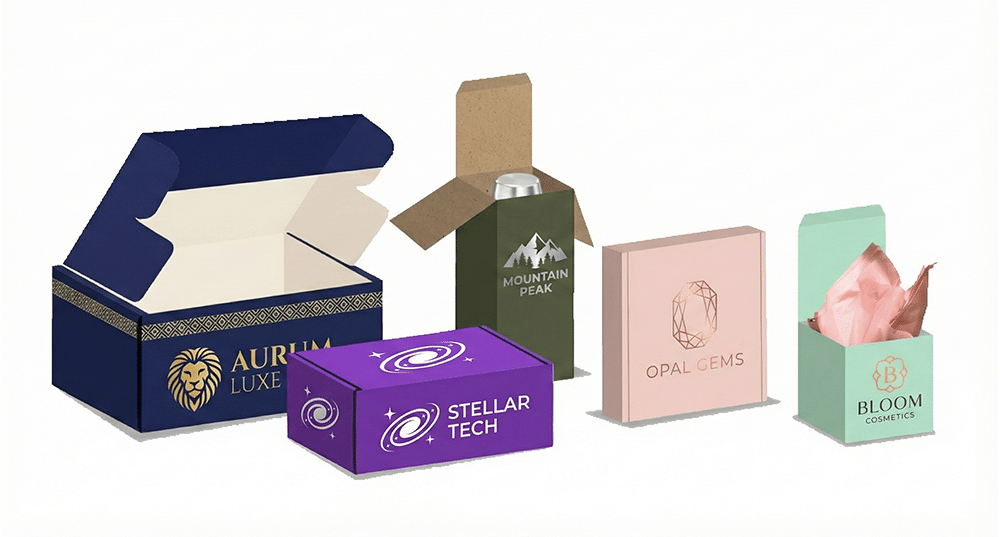
The smart use of color is more than just making the box look nice. In a creative tuck box design, color can also show the user where to touch and how to open the box. By using bright or contrasting colors on the tuck flap or inside the small dust flaps, designers can guide the hand to the right spot. This makes opening the box easy and smooth, even without tape or other signs.
Studies from Pantone show that colors can make people feel different emotions. For example, blue can make people feel trust, green can show the brand cares about the environment, and gold can give a sense of luxury. Using these colors in a creative tuck box design can make the brand feel stronger and more important.
When a bold color is only seen after opening the box, it feels like a reward. This makes buying and opening the product more fun. It also makes the structure of the box feel like a part of the brand’s design and art.
Case Studies in Luxury: Beyond Traditional Seals
In the tough world of luxury retail, not using tape on packaging shows that a brand trusts its own work. Creative tuck box design has become a sign of top brands. For example, luxury brands like Tiffany & Co. have mastered the art of making boxes beautiful and strong. They use paperboard and friction-fit closures so there is no need for tape. This creates a special and “ceremonial” unboxing experience.
Technology leaders like Apple also use clean and simple shapes. Their boxes are made so every fold fits perfectly without tape. This makes the packaging feel like part of the product itself. These examples show that creative tuck box design is more than just holding a product. It also helps build a strong brand through “mono-material” design. Burberry does the same by removing plastic parts and tape, making their boxes easier to recycle.
From these luxury examples, designers can see how small details matter. The weight of the paperboard or the tension of the side panel helps create a luxurious experience. Using tape or stickers would ruin this careful design.
The Marriage of Digital Printing and Structural Design: Personalization at Scale
The digital revolution has changed packaging a lot, making it possible for creative tuck box design to move from mass production to very personalized products. Unlike traditional printing, which needs expensive plates and takes a long time to set up, digital printing lets brands change artwork, text, and even structural marks on every single box without extra cost.
This is very helpful for limited edition products, seasonal promotions, or regional versions of a product. The “no-tape” tuck box can stay the same while the story on the box changes. According to the 2026 Packaging Trends report by DesignerPeople, digital on-demand printing is very important for Gen Z-focused brands. These brands like fast, exclusive, and creative packaging.
Using advanced variable data printing (VDP), a tuck box can include unique QR codes, the customer’s name, or stories specific to a region. This turns a normal box into an interesting and interactive connection between the physical product and the digital world. This technology also helps reduce risk because small batches can be tested first. It also supports the environment by cutting down waste from extra, unused boxes.
Future Horizons: Smart Packaging and Interactive Features
As we move into 2026, the line between the physical and digital world is getting smaller. Creative tuck box design is now becoming a high-tech way to connect with customers. By putting NFC chips or AR (Augmented Reality) markers into the paperboard, a simple box can “talk” to a customer’s smartphone. It can show the product’s history, give tutorials, or share other useful information.
This “connected packaging” is not just for fun. Research from GWP Group shows that nearly 81% of companies plan to use connected features to increase trust and transparency with customers. In a creative tuck box design, these features are usually hidden under a flap or built into the design. This keeps the box looking clean and tape-free, while still giving strong digital features.
As rules like the Digital Product Passport in Europe start requiring better traceability. These interactive features will become more than a “wow” factor. They will be an important part of a brand’s story about data and sustainability.
Inclusive and Accessible Design: The Human Side of Packaging
When designing creative tuck boxes. It is very important to think about people with different physical abilities around the world. A “no-tape” box should be easy to use as well as look nice. Accessible packaging, also called “universal design.” It helps people who have limited hand strength, poor eyesight, or arthritis. These people often find it hard to handle sharp tape or stiff packaging.
By adding large thumb notches, bright pull tabs, and raised textures, a tuck box can become easy to open instead of being difficult. Packaging that needs less force and does not require scissors or knives, as the Arthritis Foundation calls “Ease of Use,” makes life better for the customer.
Adding Braille directly on the tuck flaps or making the folds glide smoothly also helps. This makes sure the box is both beautiful and easy to use. True innovation in packaging is shown when it is designed for everyone, making the product inclusive and functional.
The Economic Efficiency of Tape-Free Construction
Even though the beauty of a creative tuck box design is clear. It also brings a lot of money-saving benefits for the company by making work in the warehouse easier. In normal packaging, measuring, cutting, and applying tape takes time and labor. This can add a lot to the total cost of a product.
Using a self-locking tuck design can cut down the time needed to pack each box. This helps the warehouse work faster, especially during busy shipping times. According to Inbound Logistics, making packaging simpler—like removing extra glue or tape. It also reduces problems in the supply chain and makes inventory easier to manage.
A tuck box that folds and locks in one step also takes up less space for shipping. It can also weigh less, which saves money on fuel and shipping over time. This shows that removing tape is not just a design choice—it also saves money and makes the business more efficient.
Technical Challenges: Overcoming Tension and Weight Constraints
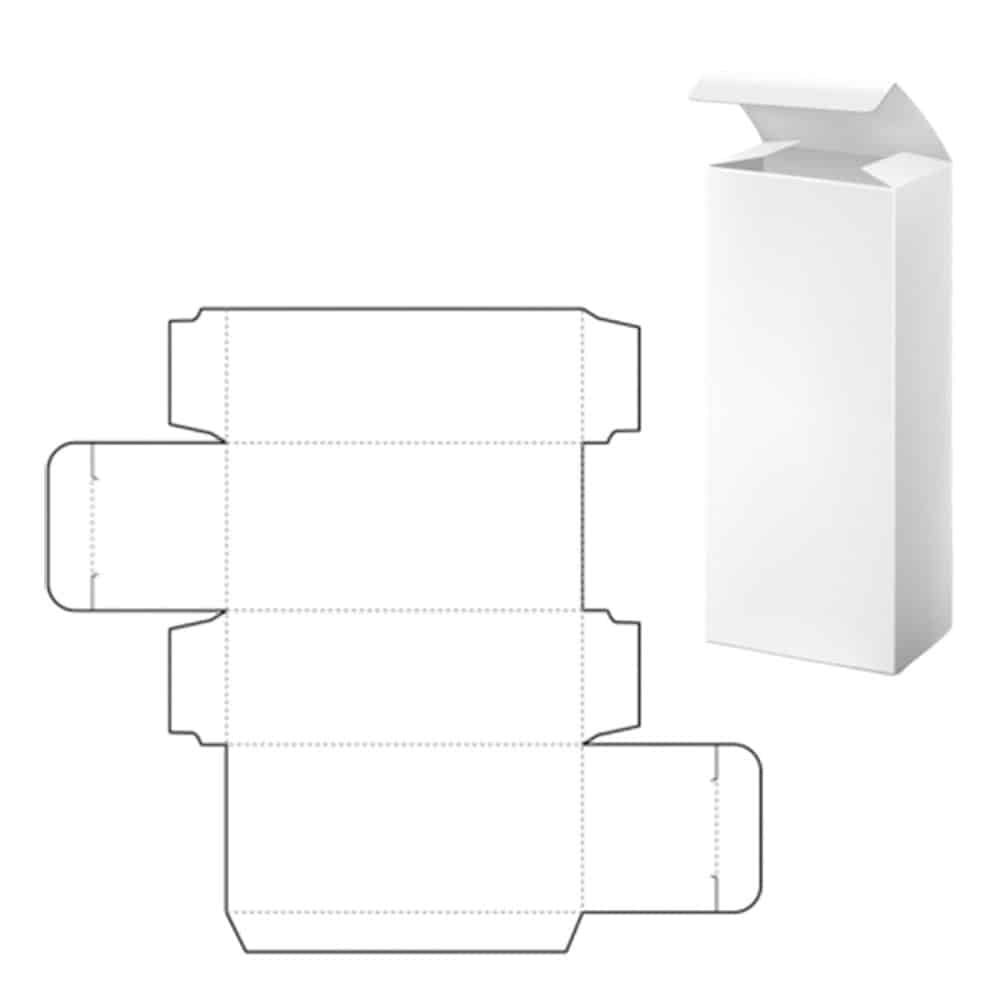
The creation of a secure and adhesive-free creative tuck box design is not an easy task, as it requires a perfect blend of paperboard thickness and the science of tension. The most difficult part of this task is “memory,” which has the potential to cause the tuck box flaps to pop open if the scores are not accurate or if the grain of the paper is not taken into consideration. To overcome this problem, engineers have to determine the friction coefficient needed to keep the tab in place while ensuring that the consumer does not have to rip open the box to get inside. As stated in technical literature from TAPPI (Technical Association of the Pulp and Paper Industry), the integrity of a creative tuck box design is greatly affected by environmental conditions such as humidity, which could weaken fibers and reduce the “snap-fit” of a tape-free closure. With the use of reinforced side walls and “locking ears,” small protrusions on the tuck flap that catch on the dust flaps inside, designers can create a design that would keep heavier items in place during the shipping cycle without the use of adhesives.
The Evolution of Shelf-Ready Packaging (SRP)
In the fast-paced world of “Big Box” retail, the creative tuck box design has matured into a sophisticated platform for Shelf-Ready Packaging (SRP), where the shipping box instantly converts into a branded display. Retailers love tapeless designs because they eliminate the need for store staff to use “box cutters,” which are a common source of accidental product damage and workplace injuries. A successful creative tuck box design enables a stocker to simply “tuck and snap” the lid into a header card display, creating an immediate visual impact without the messy residue of torn tape or glue spots. As industry data from IGD (Institute of Grocery Distribution) indicates, successful SRP can boost sales by as much as 15% by ensuring that products are always neatly merchandised and easily accessible to the customer. By designing for the “second life” of the box on the shelf, designers can ensure that the structural creases of the box are dual-functional: securing the product during shipping and showcasing the product beautifully in the store aisle.
The Synergy of Structure: How Tuck Boxes Complement Rigid Packaging
Whereas the creative tuck box design is agile and minimalist, it is not uncommon for it to coexist in a larger packaging infrastructure with more fixed solutions. In order to fully grasp the complexity of premium packaging solutions, it is necessary to contrast the folding creative tuck box design with the unyielding power of the “Rigid Box.” As discussed in the recently released technical guide, Rigid Box Structural Integrity: Why Luxury Brands Use Rigid Packaging, the decision to use a folding solution versus a rigid solution may very well depend on the desired longevity of the packaging. Whereas the creative tuck box design is a brilliant, tape-less unboxing solution for consumer products, the rigid box has a “keepsake” quality that ensures the brand is remembered in the customer’s household long after the initial purchase. By layering these two approaches together—perhaps using a creative tuck box design for internal packaging and a rigid box for the exterior packaging—it is possible to combine the lightweight efficiency of folding carton technology with the “bulletproof” quality of a rigid system configuration.
The Science of “Click”: Engineering the Perfect Closure
To attain the peak of creative tuck box design, one has to excel at the “audible feedback” of the closure. This is a very technical area of paper engineering where the size of the tuck flap is intentionally oversized by a fraction of a millimeter (in some cases, as little as 0.1mm to 0.2mm) to achieve a pressurized seal. When the flap is closed, it squeezes the air out of the box and “clicks” against the dust flaps, producing a sound that consumers instinctively link to security and precision. As stated by the Paperboard Packaging Council, “The ‘snap’ of a well-designed box is a hallmark of quality manufacturing.” In a creative tuck box design, this sound replaces the visual signal of a tape seal. This is achieved by rigorous testing of the “Bending Stiffness” of the board; if the board is too flexible, the click will be dampened; if it is too hard, the flap will break over time. A great deal of collaboration between designers and die-makers is required to ensure that the “knives” and “creases” on the production line are set to provide this perfect tension level after thousands of production cycles.
Global Logistics and the “Flat-Pack” Advantage
One of the most persuasive reasons for choosing a creative tuck box design over other secure packaging options is the revolutionary effect it has on the world of logistics and storage. As these boxes are designed to be tapeless and “self-locking,” they can be delivered from the factory to the fulfillment house in a completely flat configuration. This cuts the carbon footprint of transport by a huge margin, as thousands of flat tuck boxes can be packed into the same space as a few dozen pre-assembled rigid boxes. As reported by Logistics Management, “cubing out” a container with flat-pack designs results in a 40% reduction in shipping costs and storage space. Once the box is delivered to the packing station, the creative tuck box design enables “pop-up” packaging, where the packer merely needs to squeeze the sides and tuck in the bottom, without needing tape dispensers or glue guns. This is what makes the tuck box the undisputed king of e-commerce scalability, where brands can quickly and easily grow without being burdened by the logistical headache of large, pre-formed packaging.
Master Designer’s Checklist for Tape-Free Success
Before locking in your artistic creative tuck box design, make sure to check off this critical list:
- Grain Direction: Is the paperboard grain oriented parallel to the prominent folds to avoid cracking?
- Friction Coefficient: Does the tuck flap remain in place when the box is turned upside down and gently agitated?
- Dust Flap Length: Are the side dust flaps of sufficient length to offer internal support without obstructing the tuck flap?
- Venting: Is a small air escape channel provided to avoid “pillowing” when the box is quickly closed?
- Accessibility: Is the opening notch easily accessible for a person with limited hand strength?
- Branding Real Estate: Has the interior of the tuck flap been used for a “hidden” brand statement?
Conclusion: The Future is Unfolded
As we have seen throughout this comprehensive guide, the move towards creative tuck box design is so much more than a mere stylistic preference; it is an entirely new paradigm for how we understand the relationship between the product and the protector. In leaving the crutch of plastic tape and chemical adhesives behind, the designer is instead compelled to return to the timeless tenets of geometry, friction, and material science. This “return to form” not only yields packaging solutions that are more sustainable and economical but also more emotionally resonant with a consumer base that hungers for authenticity and texture.
Whether you are working on behalf of a luxury brand that requires a silent and smooth opening experience or an e-commerce giant that seeks to dramatically reduce assembly times, the “no-tape” creative tuck box design is a testament to the power of innovative engineering. As technology continues to converge with paperboard through the use of smart sensors and digital personalization, the creative tuck box design will remain the essential starting point for the next generation of unboxing experiences. The future of packaging is not in stronger glue or stickier tape; it is in the deliberate, thoughtful fold.
Frequently Asked Q&A related to Creative Tuck Box Design
Q 1. How can I keep a tuck box closed during the vibrations of long-distance transportation?
The answer is in “locking ears” or friction-fit notches. In a creative tuck box design, small slits or slightly larger “ears” on the tuck flap enable it to catch on the dust flaps, mechanically locking against the vertical motion induced by transport vibrations.
Q 2. What is the best weight (caliper) of paperboard for a secure, tapeless tuck box?
A weight of 16pt to 24pt (0.016″ to 0.024″) is best suited for small to medium-sized items. As recommended by the Paperboard Packaging Council, the best way to ensure the flaps of a tuck box remain secure and in place is to specify a paperboard with high “bending stiffness,” which is essential in a creative tuck box design that does not employ tape.
Q 3. How can I use a tuck box for heavy items without the bottom falling out?
Yes, but you must depart from the “Standard Tuck” design and employ an “Auto-Lock Bottom” or “1-2-3 Bottom” design. These creative tuck box design variations feature interlocking flaps that become stronger as the weight increases, securely holding heavier items such as glass containers or electronics.
Q 4. How does “grain direction” impact the security of the tuck flap?
The grain direction must always be parallel to the primary horizontal scores. If the grain direction is perpendicular, the fibers could potentially “fight” the fold, causing the box to bow or the tuck flap to pop out. This is a technical aspect of high-quality creative tuck box design.
Q 5. Is a “Straight Tuck” or “Reverse Tuck” design better for an aesthetic design?
A “Straight Tuck” is always the better choice for high-end creative tuck box design because both the top and bottom flaps fold towards the back, creating a seamless front panel. A “Reverse Tuck” is more productive from a manufacturing standpoint (less paper waste) but leaves one fold on the front panel.
Q 6. How can I make my tuck box tamper-evident without using plastic tape?
You can feature “perforated zippers” or “tamper-evident tear strips” on the paperboard. This enables the consumer to determine whether the creative tuck box design has been opened while maintaining the entire package 100% paper-based and recyclable.
Q 7. Does removing tape really save money when the box design is complex?
Although the die-cutting involved in a creative tuck box design might be a bit more complex, the cost savings in labor (faster assembly), materials (no tape or glue costs), and freight (lighter weight) will almost always yield a “total cost of ownership” savings.
Q 8. What is the most common cause of a “popping” tuck flap?
It is usually “pillowing.” When a box is closed too quickly, air is trapped inside, which presses the flap back out. A creative tuck box design should feature very small “air escape” holes in the corners of the dust flaps to facilitate a smooth, pressurized closure.
Q 9. How does a specialty finish such as “Soft Touch” impact the friction of the tuck?
Laminations and coatings alter the “slip” of the paper. A very smooth finish may call for a more aggressive locking tab in your creative tuck box design to keep the flap from sliding out too easily when under tension.
Q 10. How do I design for the “click” sound in a folding carton?
The “click” is created by designing the tuck flap to be about 0.2mm wider than the opening. This creates an interference fit that causes the board to flex and “snap” into place. As we mentioned in our previous section on Rigid Box Structural Integrity, sound is a very important indicator of quality.