

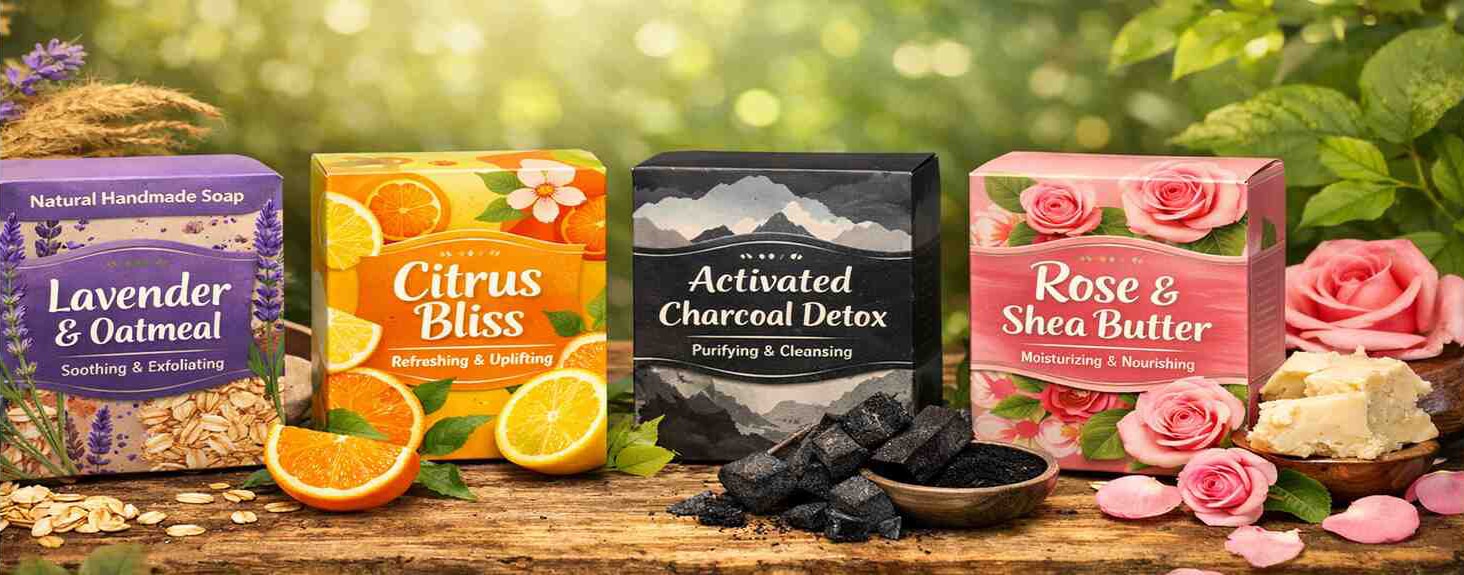
Soap Sleeves Packaging: Sustainable, Minimal & Brand-Focused Soap Sleeves for Modern Soap Boxes
The use of soap sleeves packaging is getting widespread recognition as an option in the overall category known as soap boxes, and this is largely driven by soap companies looking for a solution that balances not only sustainability but cost-effectiveness as well. Unlike a soap carton, a soap sleeve is a design that acts as a cover that goes around the soap bar, where there is a degree of visibility in terms of seeing the soap bar. This represents the modern consumer expectation in terms of transparency.
In the context of growing sustainability as a purchasing criterion among personal care products, brands are reconsidering the need for certain packaging. Soap sleeves packaging thus help to address this criterion as a means of efficiently reducing packaging needs without sacrificing space for brand communications, product details, or compliance information. All of these benefits are critical considerations within a congested marketplace. The Sustainable Packaging Coalition’s guidelines for the reduction of materials and the efficiency of a ‘right-sized package’ conclude that minimizing packaging is perhaps the most impactful way of reducing a brand’s environmental footprint without compromising performance.
Sealed, soap sleeves packaging extend beyond sustainability to align with changing notions of branding, especially for handmade, organic, and premium soaps. Their ability to highlight the color, texture, and workmanship of the soap further increases their authenticity and quality. Thus, soap sleeves packaging is no longer considered as an alternative packaging option but rather as a significant packaging approach that harmonizes with modern design sensibilities and responsible production norms within the soap boxes packaging market.
What Are Soap Sleeves in Modern Soap Boxes Packaging
Soap sleeves: This type of minimalist custom packaging style is part of the Soap Boxes category, characterized by a covering around the center of the soap and not completely around it. In terms of structure, a soap sleeve consists of a flat piece of paper and paperboard that fits around a soap product while leaving space for additional labeling and branding, as well as leaving space exposed on the soap for decoration and reduced waste and dust issues.
In the modern soap packaging concept, the role of the soap sleeves packaging is to be both functional/protective and transparent. While the conventional packaging means of soap boxes involve different parts of the box that need to be closed, the element of efficiency is given due importance in the concept of soap sleeves packaging. The exposed areas of the soap packaging give the consumers an opportunity to look at the soap and understand the look, texture, and finish from the very beginning, which creates trust rather than relying on graphics as a statement of soap quality.
From the view or perspective of a packaging designer or design process, a soap sleeve is considered right-sized as it only uses the amount necessary to function or perform and look the part. Industry lists or guidelines on how to effectively package a product have emphasized that minimizing packaging reduces positive sustainability outcomes without affecting how a consumer views it, as based on the right-sized packaging principles set by the Sustainable Packaging Coalition.
As can be seen, in today’s competitive market for soaps, soap sleeves are no longer considered compromises, but rather strategies in packaging that are attuned to modern consumer values, effective, and eco-friendly.
Why Soap Sleeves Packaging Is Growing in the Soap Industry
The growth rate and increase in sales volume for Soap Sleeves Packaging, a subcategory within Soap Boxes, can be attributed to an observable shift in demand and focus for brands. Current expectations from soap consumers revolve around green living, and this new trend is reflected through a clean look that is provided through soap sleeves packaging, which not only saves resources but also looks contemporary and clean. Environmental responsibility seems to be among the most dominant drivers of growth. The reason is that the soap sleeve uses much less paperboard than the conventional soap box. This not only means reduced consumption of resources as inputs to production but also results in reduced fuel usage and transportation costs. This is a shift from mere marketing statements to a necessity for every purchase.
The other key driver could be minimalist design appeal. Clean design, natural textures, and designs that highlight the products play a big role in consumerism, especially in personal hygiene. The soap sleeves enable the visibility of the soap, eliminating the need for intense inks and design as a marketing strategy. This design strategy is an extension of the general trends regarding simpler packaging, as cited in Packaging Europe’s article on sustainable packaging trends.
Cost efficiency also plays its part in increasing soap sleeves. With minimal materials, simpler designs, and simpler assembly, soap sleeves give brands, especially small and mid-sized brands, an opportunity to manage costs without compromising brand character. With improved brand trust from customers, these elements reflect soap sleeves packaging not just as an ongoing trend, but as a future approach for brands within soap boxes packaging.
Materials Used in Soap Sleeves Packaging
The overall efficacy of the Soap Sleeves Packaging would mainly depend on the material, as it is quite vital for the parameters of durability, sustainability, printing, and the overall impression related to the Soap Boxes market niche. The material commonly opted for in the packaging of soap sleeves is made of paper, given its strength without being too thick.
Kraft paper is one of the most used materials in soap sleeve production. One major reason why Kraft paper makes an excellent choice in materials is that it has a very natural appeal, given that the color of this particular paper happens to be brown. The tear resistance that is found in Kraft paper happens to be very high. The decomposition of Kraft paper is relatively easy. Additionally, the printing quality of Kraft paper is very high.
Yet another easily available form is paperboard/cardstock, which provides additional stiffness along with a smooth surface that could be utilized for providing quality printed output. Such mediums are often opted for when brands want to show crisper graphics, vivider colors, and premium quality in the visual output that they present. Recycled paper boards have often been utilized for amalgamating strength with ecological viability.
In terms of sustainability, paper-based materials are dominant as they are easy to recycle and use fewer resources compared to other materials, such as multilayer materials and plastic materials. This can be supported by the packaging industry recommendation of using paper-based material,s as they can be recycled easily and reduce the impact on the environment compared to other packaging materials, as outlined in the paper-based packaging material overview by Packaging Europe.
Thus, by opting for the right type of paper, whether kraft, recycled, or even coated cardstock, the brand can ensure its soap sleeves provide the right amount of protection and print performance, thereby reaffirming its position in the soap boxes market.

Design Elements of Effective Soap Sleeves
The success of Soap Sleeves Packaging is greatly determined by the design, which will have to convey the brand’s image and product essence within a restricted space, especially in the Soap Boxes product category. Thus, the design parameters of the soap sleeves, having a simple design format, are all pertinent to the image conveyed by the product.
The most important factor regarding the design of the case is the brand visibility, placing the logo and name of the products in such a way that they become immediately visible when the soap is displayed. In this case, the soap is still going to be partially visible, and the design must complement the soap rather than compete with the product.
Typography and the use of colors play important roles in shaping consumer perception. For instance, sans-serif fonts may symbolize modernity and simplicity, while serifs symbolize craftsmanship and tradition. Earthy shades may imply green living and caring for the environment, and vibrant shades have been effective in differentiation, especially in perfumes and seasonal lines.
The other design element of effective design is the window cut out, which will allow the consumer to attach themselves to the soap form. The effective design element will be within the immediacy of transparency, authenticity, and a greater desire for these characteristics within the personal care essence of the consumer world. There is packaging research to suggest that a product will increase the confidence of consumers when there is a placement of uncluttered products, as Packaging Europe comments on the effects of packaging on consumers.
When executed properly, the way soap sleevesare designedn can effectively transform packaging into an effective brand communication tool that offers not only clarity, authenticity, and eye-catching appeal but also significant advantages for sustainability and minimalism that define modern soap boxes packaging.
Printing Techniques for Soap Sleeves
Printing quality directly affects how Soap Sleeves Packaging is viewed in the context of the Soap Boxes category. As the soap sleeves rely on limited space management and minimal structure, it is required to ensure a professional brand image through accurate printing quality and its finishing. The most frequently used method for producing soap sleeves is offset printing, as this process is preferred due to the sharp text, gradient, and color reproduction capabilities of this method of printing. Brands manufacturing a higher volume of soap sleeves can take advantage of this printing method due to its efficiency and the cost-effectiveness of the process.
Digital printing is usually applicable where there are smaller batches or where the design changes very frequently. This technology gives the brand the ability to print the soap sleeves without having to create plates. Simply put, it is fantastic for soap, especially when there are smaller editions. Digital printing helps to speed up the process, which levels the playing field for all, especially the smaller and medium-sized soap producers.
Not just the printing technique itself, the surface finish treatments, for instance, the matte and gloss finishes, do optimize durability as well as aesthetics. As a result, designs avoid scuffing when they are printed, and it is noted that tactile interaction is very subtle in the overall packaging. On the other hand, some guidelines on the printing of packaging have noted that it is choosing a suitable printing technique and finishing that optimizes and strengthens the brand impact, as noted in a discussion by Smithers in the overview of print technologies for packaging.
With the right printing method chosen for soap sleeves packaging, it can reach an effective balance of cost efficiency, clarity, and consistency, continuing to illustrate its usefulness as an innovative packaging practice under soap boxes.
Soap Sleeves vs Traditional Soap Boxes
When analyzing various packaging solutions within the scope of the Soap Boxes category, the contrast between Soap Sleeves Packaging and standard soap boxes is considerable, given different construction, material usage, and even implications on the brand itself, despite serving a similar purpose for soap packages. The conventional design of a soap box is a completely closed carton box used for covering the soap bar. Although this structure provides sufficient protection for the physical item, it also generates waste in terms of materials and more production steps, as well as the overall weight in transportation. Conversely, a soap sleeve utilizes a wrapped design covering merely the required area of the item.
From a cost and efficiency viewpoint, the implementation of soap sleeves requires fewer materials and assembly costs. This can be attributed to cost and efficiency benefits, which affect organizations that produce large volumes, i.e., for which cost is an issue. Soap boxes can be attributed to a higher level of cost since, for some organizations, full encasement is not necessary.
In terms of consumer perception, soap sleeves have a special advantage since they allow for a sense of product visibility, where one can easily spot characteristics such as color, texture, and craftsmanship, which is especially vital for handmade, organic, and luxurious soaps. In terms of packaging, minimal and visible packaging formats have been key, and this is discussed in an article by Packaging Europe on minimalist packaging design and material reduction.
In general terms, it is obvious that the soap sleeves packaging is a lighter, greener, and customer-centric option, unlike the standard soap boxes, and hence it is an increasingly preferred option for contemporary soap brands that appreciate efficiency as much as aesthetics.
Sustainability in the present time is an important factor in packaging, especially in the field of Soap Boxes, and Soap Sleeves Packaging is connected and related to the urgent need to elevate the level of sustainability in packaging design. Using fewer pieces of paperboard in the packaging design would reduce the total amount of unprocessed materials that would be needed while still having the functionality of marketing the soap in use. Unlike soap cartons, which are shut and closed, soap slips are made of recyclable and degradable materials of paper, making it more accessible to consumers in order to promote efficient disposal of waste products. The lightweight properties of this_product may help reduce costs in moving this product, making its weight an efficient way to save the environment, including those who sell soap in bulk through an e-commerce site.
With respect to consumers, minimalist packaging, such as soap sleeves, works well as consumers worldwide are becoming increasingly environmentally conscious about brand packaging and are expecting brands to offer reduced and transparent packaging for their products, especially for personal care soap packaging. This phenomenon has been actively supported and researched across global packaging studies conducted by the Ellen MacArthur Foundation, highlighting material reductions for packaging as an essential eco-friendly practice.
In a nutshell, the use of the soap sleeves package provides soap brands with an opportunity to combat a negative effect on the environment while also emphasizing the brand narrative for a sustainability-driven brand, which has become a crucial differentiator in the current competitive retail environment.
Design and Branding Flexibility of Soap Sleeves
In the category of soap boxes, soap sleeves packaging offers a wide range of design and branding possibilities, making it an excellent choice for brands where visual appeal is the prime concern, without having to compromise on the overall amount of packaging space included with it. This is because of the large blank space present on the packaging, making it an excellent area to build an image of the brand around, associated with any logo, color, text, or writing style, etc.
The sleeves available with the soaps can support a number of processes, such as offset printing, digital printing, embossing, and metallic foil finishing. This makes the process easy and simple as it does not hinder the process structurally. Simple structure and visual design are important for artisans who want to emphasize the quality and authenticity of craft soaps.
Another feature that can play a significant role is brand adaptability – it is so easy to create different variants of different scents or different variants in formula on a standard structural template, changing only colors or graphics. This aids production and cohesion across brands in terms of shelf presence. Smurfit Kappa encroached on the territory of communalized understanding about how packaging design can affect effective brand communication and stressed that good and well-structured packaging is an important factor for the improvement of brand recognition and consumer recall.
In conclusion, the soap sleeves packaging style enables organizations to ensure creativity, consistency, and cost efficiency, thereby acting as a marketing tool for soaps aimed at trading in the competitive retail stores where visual merchandising plays a significant role.
Protection and Functional Performance of Soap Sleeves
Though the Soap Sleeves Packaging is simple and minimalistic in its look and feel, they still manage to impart a crucial piece of protection that is a requirement within the Soap Boxes product category. The soap sleeves are designed and constructed to ensure maximum protection of the soap bar under any manipulating situation without risking abrasions on the soft and fragile surfaces of the soap while maintaining their structural integrity. This is, of course, much above and beyond the actual requirements of soaps that are cured, packaged, and shrink-wrapped.
One of the major functional benefits associated with the use of soap sleeves is the ability to allow the product to breathe. In other words, the ability to allow the soap to breathe is not present in the boxes, but this is, as mentioned, possible in the sleeves, which would ensure the prevention of moisture buildup and the fragrances are not lost but remain as fresh as the original, especially the handmade, glycerin, and essential oils found in soap.
Also, soap sleeves perform well at retail efficiency. Their snug fit helps soaps remain aligned on the shelves, with barcodes, ingredient panels, and regulatory information staying visible and scannable. Industry packaging guidance underlines the fact that usability has to be balanced with protection; according to an overview of the fundamentals of protective packaging given in Packaging Digest, the guideline is to match packaging strength with actual product needs, not overengineer them.
In practical terms, soap sleeves packaging provides a smart balance of reliable protection and functional performance without the excess material and cost associated with traditional soap boxes.
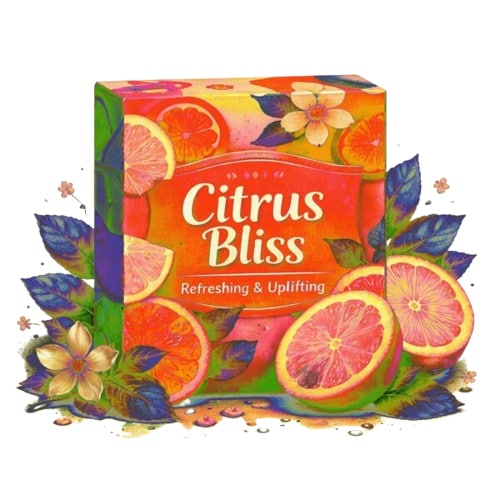
Technical Specifications for Soap Sleeves Packaging
This would fall under the category of Soap Boxes, and the company would be Soap Sleeves Packaging, where the technical specifications are considered the main ones in order to ensure their appropriateness in the fitting, as well as an appropriate shape and quality in quantities and weight of the material, and the required tolerances.
The most imperative factor to be considered in this question is the dimensions. The dimensions of the soap sleeves packaging ought to match perfectly or be the same as those of the length, width, and height of the bar of soap. This is because, under normal circumstances, the dimensions of a bar of soap are such that they are about 70 to 100mm in length, 50 to 70mm in width, and 20 to 35mm in height. However, the dimensions of some of the soaps may be special. The factor of overlapping is to be considered.
The other key factor is paper thickness-or, more precisely, grammage (grams per square meter). Basically, kraft paper or cardstock between 200ando 350 gsm is used, as it gives a very good balance among strength, flexibility, and print quality. Proper grammage ensures that the sleeve can stand handling without being too costly and ecologically unfriendly.
Besides that, technical design must consider print bleed, window cut-outs, and embossing or other coating finishes. All the factors impact aesthetics and functionality, and the inability to properly accommodate one of these features results in misaligned printing or structural failure. Guidelines relating to packaging indicate that all sleeves should be prototyped and tested for confirmation of their fit and print quality before full-scale production, according to recommendations in Smithers’ technical guide relating to packaging materials and specifications.
These technical specifications will empower brands to create functional, aesthetic sleeves that don’t conflict with sustainable packaging goals of minimalism.
Soap Sleeves Packaging for Handmade and Artisanal Soaps
Soap Sleeves Packaging is a good fit for Handmade Soap, especially within the Soap Boxes category, since, on one hand, it represents a clean and simple look and, on the other hand, a luxurious and personalized experience. Artisan soaps, for instance, have a unique color or texture, and soap sleeves packaging allow consumers to still experience those elements wrapped around the soaps.
In the case of small batch manufacturers, the soap sleeves packaging provide a cost-effective measure for customization purposes. Usually, soap boxes or boxes in general require a significant amount of paper or cardboard to be printed or customized, which can be a costly undertaking if the changes are to be introduced frequently. In the case of soap sleeves packaging, the requirement for materials is relatively low to begin with.
This natural feel of kraft paper, even recycled cardstock, also works particularly well when marketing handmade soap. Designers can still use images, embossing, and foil finishes to bring up luxury features without overpowering the product at hand.
Indeed, industry study supports the observation that when product packaging is present, it increases trust and the tendency to buy. Particularly for product categories in which a component may be considered both tactile and visually appealing, personal care being one of them, this is certainly the case. This is seen to be in conformity with considerations in the Packhelp guide regarding thoughts on sustainable visual product packaging for handmade products, since, as a style of packaging considered to be harmonious in concepts of transparency, visual appeal, and sustainability, it increases consumer perception and involvement manifold.
In summary, soap sleeves packaging create a feasible, eco-friendly, and innovative means for packaging goods, adding value to craftsmanship and uniqueness within the soap boxes category.
Regulatory and Labeling Requirements on Soap Sleeves Packaging
Despite their minimalistic design, Soap Sleeves Packaging must comply with the labeling of the Soap Boxes category. Labeling is very important for consumer safety and for brand credibility. It is especially true in personal care products.
The requirements include the listing of the ingredients. In listing the ingredients, the ingredients, particularly, should be clearly displayed and printed in the INCI format, which will enhance clarity and assist the consumers with allergies, as well as regulatory standards.
Other relevant labeling details, which are necessar,y will include the barcodes, batch number, and the date when the product will expire, with the barcodes facilitating the easy stocking of the products, the batch number helping in the tracing of the product if there are some defects, and the date of expiration being relevant since the soaps are natural-based and therefore degrade over time.
Likewise, when it comes to marketing terms like “organic,” “natural,” or “vegan,” the terms have to be accurate to avoid legal compliance issues, which may affect how customers perceive your brand.
This includes the sizes of the fonts, readability, and placement of the text, which are equally insignificant in order to observe, yet not to interfere with, the brand and product presentation. There is an interaction in relation to the regulatory information and the minimal packaging, as an integration of an efficient minimal package may assist in improving these, as well as the appeal, according to the FDA’s regulation of cosmetic labeling.
In other words, to describe this briefly, even the simplest of the soap sleeves packaging will have to achieve the balance between minimalism and necessary labeling to ensure that the product is safe and also portrayed professionally, all of this pertaining to the category of Soap Box.
How to Choose the Right Soap Sleeves Packaging Supplier
Finding a dependable supplier is crucial to ensure high-quality Soap Sleeves Packaging appropriate to the Soap Boxes product line in terms of functionality and branding. This is to ensure consistency in materials, print, delivery time, and scope of customization for these services.
An essential step in this process involves the assessment of the quality of the samples. Acquiring the prototypes also allows the brand to test the quality, as well as the size of the sleeves and the print quality of the paper itself.
Another factor is the lead time and the production capacity needed by the supplier. In the case of the small batch artisan brands, the supplier may need to have the capacity to fulfill small-run urgent orders, especially because they operate differently from the large brands, which need the supplier to have the capacity to fulfill large orders.
The other important factor is the different customization choices that are made available. Some of the choices that are encouraged to be offered by the supplier are available opportunities to pick the material type, the finish type—whether it is embossed or foil stamped—and the inclusion of a QR code or different designs for different seasons.
Lastly, a brand should keep in mind the cost and the minimum order quantity to ensure that the chosen vendor is in line with the budget and operational needs set. With a properly chosen vendor, a brand can get the right mix of quality, customization, and affordability. To ensure a brand gets the best results in terms of quality and customization, as described in the guide to selecting a packaging vendor by Packhelp, a brand should look for a vendor that has mastery in both in-house production and design support.
In summary, with a dependable soap sleeve supplier, companies are able to create functional, attractive, and compliant soap boxes, thus improving presentation and operational efficiency within this sector.
Future Trends in Soap Sleeves Packaging
The future of Soap Sleeves Packaging under the Soap Boxes category is being influenced by aspects like sustainability, technology integration, and changing consumer habits. Today, companies are looking for a different kind of packaging, such as reduced use of materials, aesthetics, and the provision of a customer engagement experience.
One of the major trends is the use of plastic-free materials and fully recyclable materials. There is a shift from using conventional laminated paper enclosures to using enclosures made of kraft paper or recycled cardstock and other environmentally friendly materials.
In addition, the trend of the use of minimalist and transparent designs is emerging. The partial covering of the soap bar is not only economical by saving materials, but the product will serve as the point of exposure itself. This is because the product carries the sign of authenticity and trust.
There is also an exploration of smart packaging solutions, where there is the integration of QR codes or NFC into the packaging of the soap, thus creating the connection between the customer and the ingredients, as well as the sustainability initiatives of the brand.
Additional styles such as seasonal, limited edition, and custom styles are also likely to produce a continued rise. Finally, soap sleeves packaging allow a brand to revamp its line of goods without having to redesign a box package to support a brand’s marketing initiatives.
Packaging Europe, which is a report on sustainable packaging trends in Europe, identifies eco-conscious design and efficiency of materials as some of the key factors driving innovations in packaging, particularly in the personal care market sector of the packaging industry. Thus, by surfing these trends, the soap sleeves packaging are in an advantageous position to provide green, functional, and creative solutions for the new brand of soap.
FAQs About Soap Sleeves Packaging
Q 1. What are soap sleeves packaging?
The soap sleeves packaging refer to a simple cover or a casement, which partially encloses the soap bar. The sleeves are mainly a protection and a space required by the soap bar to enable the visibility of the company’s information. The sleeves are primarily made of paper.
Q 2. Difference between a soap sleeve and a soap box?
Fully-enclosed soap boxes use lots of materials, but this method only uses a small amount of materials and shows some of the soap too. This method might be effective for saving costs and sustainability, and customers may view the product too.
Q 3. What general materials are used to make soap sleeves packaging?
Some of the commonly used materials are kraft paper, recycled cardstock, and paperboard, based on strength, printability, and eco-friendliness.
Q 4. Are soap sleeves packaging customizable?
Yes, indeed, they can, with the use of a soap sleeve design, which allows for the use of logos, colors, pictures, and even added forms of texture and color through foil, as well as
Q 5. Are soap sleeves eco-friendly?
Absolutely. This is so because soap sleeves packaging use a smaller amount of materials together with recyclable papers, as opposed to traditional boxes.
Q 6. Do the soap sleeves packaging protect the soap sufficiently?
Though not as strongly protective as a full box, they afford dust, minor abrasions, and handling damage protection, which makes these suitable for retail and e-commerce use.
Q 7. Are there labeling or regulatory requirements?
Yes. Ingredients, barcodes, batch numbers, and other claims such as “organic” and “vegan” must be in compliance with government regulations. Packaging must also be clear and accurate.
Q 8. Why are soap sleeves packaging considered suitable for handmade soaps?
They represent craftsmanship, textures, and natural ingredients, as well as support small-batch manufacturing with flexible and cost-effective design.
Design Elements of Effective Soap Sleeves
The success of Soap Sleeves Packaging is greatly determined by the design, which will have to convey the brand’s image and product essence within a restricted space, especially in the Soap Boxes product category. Thus, the design parameters of the soap sleeves, having a simple design format, are all pertinent to the image conveyed by the product.
The most important factor regarding the design of the case is the brand visibility, placing the logo and name of the products in such a way that they become immediately visible when the soap is displayed. In this case, the soap is still going to be partially visible, and the design must complement the soap rather than compete with the product.
Typography and the use of colors play important roles in shaping consumer perception. For instance, sans-serif fonts may symbolize modernity and simplicity, while serifs symbolize craftsmanship and tradition. Earthy shades may imply green living and caring for the environment, and vibrant shades have been effective in differentiation, especially in perfumes and seasonal lines.
The other design element of effective design is the window cut out, which will allow the consumer to attach themselves to the soap form. The effective design element will be within the immediacy of transparency, authenticity, and a greater desire for these characteristics within the personal care essence of the consumer world. There is packaging research to suggest that a product will increase the confidence of consumers when there is a placement of uncluttered products, as Packaging Europe comments on the effects of packaging on consumers.
When executed properly, the way soap sleevesare designedn can effectively transform packaging into an effective brand communication tool that offers not only clarity, authenticity, and eye-catching appeal but also significant advantages for sustainability and minimalism that define modern soap boxes packaging.
Printing Techniques for Soap Sleeves
Printing quality directly affects how Soap Sleeves Packaging is viewed in the context of the Soap Boxes category. As the soap sleeves rely on limited space management and minimal structure, it is required to ensure a professional brand image through accurate printing quality and its finishing. The most frequently used method for producing soap sleeves is offset printing, as this process is preferred due to the sharp text, gradient, and color reproduction capabilities of this method of printing. Brands manufacturing a higher volume of soap sleeves can take advantage of this printing method due to its efficiency and the cost-effectiveness of the process.
Digital printing is usually applicable where there are smaller batches or where the design changes very frequently. This technology gives the brand the ability to print the soap sleeves without having to create plates. Simply put, it is fantastic for soap, especially when there are smaller editions. Digital printing helps to speed up the process, which levels the playing field for all, especially the smaller and medium-sized soap producers.
Not just the printing technique itself, the surface finish treatments, for instance, the matte and gloss finishes, do optimize durability as well as aesthetics. As a result, designs avoid scuffing when they are printed, and it is noted that tactile interaction is very subtle in the overall packaging. On the other hand, some guidelines on the printing of packaging have noted that it is choosing a suitable printing technique and finishing that optimizes and strengthens the brand impact, as noted in a discussion by Smithers in the overview of print technologies for packaging.
With the right printing method chosen for soap sleeves packaging, it can reach an effective balance of cost efficiency, clarity, and consistency, continuing to illustrate its usefulness as an innovative packaging practice under soap boxes.
Soap Sleeves vs Traditional Soap Boxes
When analyzing various packaging solutions within the scope of the Soap Boxes category, the contrast between Soap Sleeves Packaging and standard soap boxes is considerable, given different construction, material usage, and even implications on the brand itself, despite serving a similar purpose for soap packages. The conventional design of a soap box is a completely closed carton box used for covering the soap bar. Although this structure provides sufficient protection for the physical item, it also generates waste in terms of materials and more production steps, as well as the overall weight in transportation. Conversely, a soap sleeve utilizes a wrapped design covering merely the required area of the item.
From a cost and efficiency viewpoint, the implementation of soap sleeves requires fewer materials and assembly costs. This can be attributed to cost and efficiency benefits, which affect organizations that produce large volumes, i.e., for which cost is an issue. Soap boxes can be attributed to a higher level of cost since, for some organizations, full encasement is not necessary.
In terms of consumer perception, soap sleeves have a special advantage since they allow for a sense of product visibility, where one can easily spot characteristics such as color, texture, and craftsmanship, which is especially vital for handmade, organic, and luxurious soaps. In terms of packaging, minimal and visible packaging formats have been key, and this is discussed in an article by Packaging Europe on minimalist packaging design and material reduction.
In general terms, it is obvious that the soap sleeves packaging is a lighter, greener, and customer-centric option, unlike the standard soap boxes, and hence it is an increasingly preferred option for contemporary soap brands that appreciate efficiency as much as aesthetics.
Sustainability in the present time is an important factor in packaging, especially in the field of Soap Boxes, and Soap Sleeves Packaging is connected and related to the urgent need to elevate the level of sustainability in packaging design. Using fewer pieces of paperboard in the packaging design would reduce the total amount of unprocessed materials that would be needed while still having the functionality of marketing the soap in use. Unlike soap cartons, which are shut and closed, soap slips are made of recyclable and degradable materials of paper, making it more accessible to consumers in order to promote efficient disposal of waste products. The lightweight properties of this_product may help reduce costs in moving this product, making its weight an efficient way to save the environment, including those who sell soap in bulk through an e-commerce site.
With respect to consumers, minimalist packaging, such as soap sleeves, works well as consumers worldwide are becoming increasingly environmentally conscious about brand packaging and are expecting brands to offer reduced and transparent packaging for their products, especially for personal care soap packaging. This phenomenon has been actively supported and researched across global packaging studies conducted by the Ellen MacArthur Foundation, highlighting material reductions for packaging as an essential eco-friendly practice.
In a nutshell, the use of the soap sleeves package provides soap brands with an opportunity to combat a negative effect on the environment while also emphasizing the brand narrative for a sustainability-driven brand, which has become a crucial differentiator in the current competitive retail environment.
Design and Branding Flexibility of Soap Sleeves
In the category of soap boxes, soap sleeves packaging offers a wide range of design and branding possibilities, making it an excellent choice for brands where visual appeal is the prime concern, without having to compromise on the overall amount of packaging space included with it. This is because of the large blank space present on the packaging, making it an excellent area to build an image of the brand around, associated with any logo, color, text, or writing style, etc.
The sleeves available with the soaps can support a number of processes, such as offset printing, digital printing, embossing, and metallic foil finishing. This makes the process easy and simple as it does not hinder the process structurally. Simple structure and visual design are important for artisans who want to emphasize the quality and authenticity of craft soaps.
Another feature that can play a significant role is brand adaptability – it is so easy to create different variants of different scents or different variants in formula on a standard structural template, changing only colors or graphics. This aids production and cohesion across brands in terms of shelf presence. Smurfit Kappa encroached on the territory of communalized understanding about how packaging design can affect effective brand communication and stressed that good and well-structured packaging is an important factor for the improvement of brand recognition and consumer recall.
In conclusion, the soap sleeves packaging style enables organizations to ensure creativity, consistency, and cost efficiency, thereby acting as a marketing tool for soaps aimed at trading in the competitive retail stores where visual merchandising plays a significant role.
Protection and Functional Performance of Soap Sleeves
Though the Soap Sleeves Packaging is simple and minimalistic in its look and feel, they still manage to impart a crucial piece of protection that is a requirement within the Soap Boxes product category. The soap sleeves are designed and constructed to ensure maximum protection of the soap bar under any manipulating situation without risking abrasions on the soft and fragile surfaces of the soap while maintaining their structural integrity. This is, of course, much above and beyond the actual requirements of soaps that are cured, packaged, and shrink-wrapped.
One of the major functional benefits associated with the use of soap sleeves is the ability to allow the product to breathe. In other words, the ability to allow the soap to breathe is not present in the boxes, but this is, as mentioned, possible in the sleeves, which would ensure the prevention of moisture buildup and the fragrances are not lost but remain as fresh as the original, especially the handmade, glycerin, and essential oils found in soap.
Also, soap sleeves perform well at retail efficiency. Their snug fit helps soaps remain aligned on the shelves, with barcodes, ingredient panels, and regulatory information staying visible and scannable. Industry packaging guidance underlines the fact that usability has to be balanced with protection; according to an overview of the fundamentals of protective packaging given in Packaging Digest, the guideline is to match packaging strength with actual product needs, not overengineer them.
In practical terms, soap sleeves packaging provides a smart balance of reliable protection and functional performance without the excess material and cost associated with traditional soap boxes.