

Packaging Materials Explained: Types, Uses & Benefits Guide
What Are Packaging Materials?
Packaging materials are the elements and compositions that have safely covered, preserved, stored, and delivered from processing to retail sales. They are the cornerstone for all packaging products, from boxes to containers or wrappers, using industries such as food, cosmetics, retail, and pharmaceuticals.
Whether it is a simple food box or you need a solid, rigid box or a branded cosmetic box, packaging material has a direct impact on the product’s safety & shelf life, and also to provide customer perception → Contemporary packaging solutions are developed to be intended for protective products as well as branding, sustainability, and the regulations passing.
Importance of Packaging Materials
Packaging materials are those that serve to contain and protect a product and even assist in its presentation. Some of the most common materials include paperboard, plastic, glass, and metal — each providing varying degrees of durability, flexibility, and aesthetics.
Packaging material is important due to their role in preserving product integrity. A soap box is made up of tough cardboard that protects the item from dust and damage, whereas a candle box may contain inserts to prevent breaking. A CBD box or tincture box must also satisfy certain requirements in relation to safety and labeling.
While safeguards are one function of these materials, packaging is also a crucial component of logistics. They facilitate product storage, handling, and transportation effectively. Selecting the correct material minimizes waste, reduces shipping costs, and maximizes productivity.
Role of Packaging Material in Product Protection and Branding
Packaging material has a dual role in that they protect the product while adding to its aesthetics. The protective function helps to protect products from physical damage, moisture, light, and contamination during storage and transport.
A food box with food-grade material can help keep things fresh and free of any contamination, while a rigid box provides maximum security to luxury goods. Likewise, a tuck box is an especially lightweight packaging for all retail products, but is more secure than any other one.
Packaging material also act as a surface for brands to print logos, colors, and product information on. With a professionally designed gift box or cosmetic box, your customers will be attracted by this uniquely made unboxing experience. Material selection also conveys brand values—kraft materials convey sustainability, and glossy finishes scream a premium look.
In summary, packaging material is an essential component in meeting both market needs and functional demands to ensure a favorable outlook for the product.
Types of Packaging Materials
There are several packaging material available, different types of packaging materials cum industries for which they are suitable. This knowledge of types enables businesses to choose the one that is beneficial for their product.
- Paper and Cardboard Packaging Material
Paper and cardboard are the most versatile and low-cost packaging media. They are widely used for soap boxes, tuck boxes, gift boxes, and cosmetic boxes.
They are lightweight, cut flimsily, and suitable for use with printing as an HDPE plastic sheet. These paperboard sheets can have several thicknesses, starting from thin paperboard to highly durable corrugated cardboard for shipping. It is also recyclable, making it a popular option for environmentally friendly brands.
- Plastic Packaging Material
Plastic packaging material is resistant, flexible, and moisture-resistant. They are typically used in products that need airtight or waterproof packaging, such as food items and liquid products.
Plastic is usually used in combination with outer packaging, such as a CBD box / tincture box, where the plastic pouch would keep your product well-shielded, and the outer badge pack builds a structural part along with branding. While this is a more efficient material, it has led to rising concerns around sustainability and businesses looking for alternative plastics that they can recycle or decompose.
- Glass Packaging Materials
Glass is an elegant packaging material frequently used for luxury or delicate goods like perfumes, oils, and tinctures. Non-reactive to help maintain product quality and safety.
In general, glass containers most commonly have outer packaging such as a rigid box or a gift box, through which they get extra protection and better presentation. Glass may be recyclable and reusable, but it is also delicate (and must be protected with packaging).
- Metal Packaging Material
Aluminum and tin are utilized for products needing this high level of durability and protection, termed metal packaging material. These resources end up in food packaging items, beverage cans, and some specialty containers.
Metal packaging naturally has excellent resistance to light, moisture, and air, making the shelf life of products longer. Metal containers are sometimes combined with outer packaging, such as a food box or fancy box, which improves branding and presentation.
- Eco-Friendly and Sustainable Packaging Material
Eco-friendly packaging can be composed of materials that save the Earth and still perform their functions. These materials range from recycled paper, kraft board, bio-plastics, and compostable packaging options.
Take the example of soap boxes, where sustainable material is usually used by brands to showcase their environmental responsibility in their products. Using less material and a minimalistic design is also sustainable.
With the growing consumer demand for clean solutions, several companies are adopting and using sustainable packaging material to maintain their brand image and adhere to environmental regulations.
Packaging Material for Different Box Types
When it comes to packaging the product in different types of boxes with the right type of materials, selecting the box type suitable for your product, i.e., different product categories need different materials as they are categorized based on fragility, use-cases, and market segment. Using the right packaging material reduces waste and improves product protection downstream in the marketplace, based on data from the United States Environmental Protection Agency.
- Packaging Material of Soap Box and Candle Box
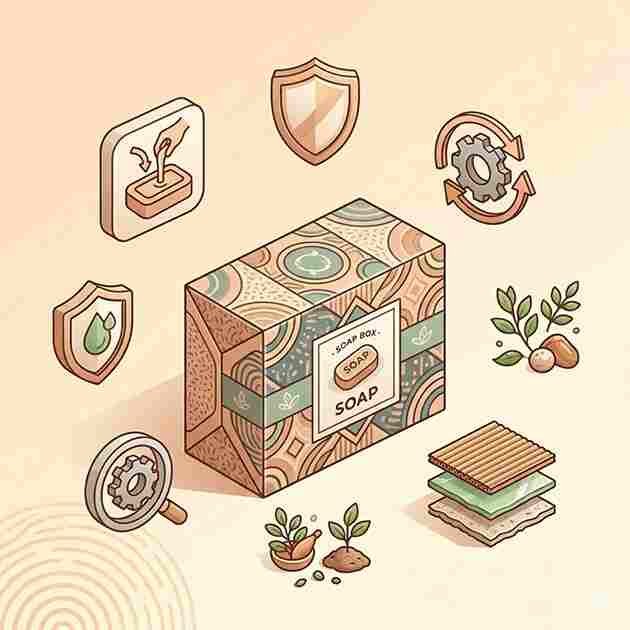
Paperboard, kraft paper, or corrugated cardboard are usually used for soap boxes & candle boxes. This material provides an ideal compromise between protection and appearance. While a soap box may be made from lightweight paperboard that makes it easy to carry, a candle box can have thicker cardboard and dividers built in to secure breakable glass containers.
Eco-friendly branding is popular with kraft materials, while coated paperboard improves print quality for a polished appearance. Molded pulp or foam is also used to make inserts to be placed around candles and protect them against the occurrence of breakage.
- Packaging Material for Gift Box and Rigid Box
Luxury gift boxes and rigid boxes are made from high-end materials. Rigid boxes are usually constructed from a thick greyboard, which is then wrapped with decorative paper to provide increased rigidity and durability.
Better box material with fancy finishing, including lamination, embossing, or foil stamping, is often used in boxes containing gifts. These materials impact the unboxing experience and elevate product perception. With its solidity and elegant wrapping, these boxes are perfect for premium items.
- Packaging Material for Cosmetic Box and CBD Box
Like Cosmetic boxes, these CBD boxes also necessitate materials that assist in protection and comply with regulations. Poly-coated paperboard is used for a cosmetic box, which permits high-resolution printing and professional branding.
The other use of heavy-duty cardboard or kraft is for making CBD Boxes, and they are more preferably used with child resistant properties or tamper evident seals combined into them. Such materials must also be conducive to effective product marking and regulation. With the changing expectations of consumers, now eco-friendliness is preferred to be used.
- Packaging Material for Food Box and Tuck Box
Safety and hygiene standards mandate the use of materials for food boxes and tuck boxes. Food boxes generally consist of food-grade paperboard, coated cardboard, or kraft paper to avoid food spoilage by limiting contamination.
The tuck box is made of lightweight paperboard for easy assembly and cost-effectiveness. Greaseproof and moisture-proof coatings are sometimes used in food packaging to improve their performance. These materials help the packaging stay safe, functional, and compliant with food regulations.
- Packaging Material for Tincture Box and Specialty Packaging
Tincture boxes and specialty packaging often use two or more materials to provide protection and presentation. Tincture box combines cardboard or paperboard for outer packaging and glass bottles inside.
Specialty Packaging is used upon request, most full to its inserts or cushioning materials, and/or even custom-made structures to help secure easily broken goods within the packaging. These materials not only help preserve product integrity but also improve the entire experience for their customers.
Benefits of Using the Right Packaging Material
When it comes to product safety, cost saving, and sustainability, nothing delivers better than the right packaging material. Choosing the right material makes sure packaging actually delivers throughout every step in a product’s journey. As per data from the United States Environmental Protection Agency, choosing resource-efficient materials can limit overall environmental impact and better manage these materials.
- Product Protection and Durability
When we talk about product packaging material, the first thing that will pop into your mind is how much they protect the products. Impact, moisture, and harsh environmental conditions are successfully prevented by proper materials.
For instance, a rigid box is ideal for safeguarding luxury articles; a candle box with inserts shields the glass jars, which are fragile. Durable materials ensure that supplies get to clients in excellent condition, reducing returns and losses.
- Enhanced Branding and Customer Experience
Packaging is a potent tool of branding and customer perception. Better quality materials enhance the aesthetics and appeal of the product’s packaging.
An elegant and neat-looking cosmetic box or gift box can provide an unforgettable unboxing experience, which in turn can lead to more repeat purchases for the product, as well as building brand loyalty. High-Resolution Printing: An ideal medium can be printed on materials that support high-resolution patterns, allowing businesses to present their brand effectively.
- Cost Efficiency and Bulk Production Benefits
The use of some packaging material can greatly reduce expenses, especially if the production is large-scale. Packing stuff seamlessly and using lightweight materials like paperboard minimizes shipping costs.
Tuck box from low-cost paperboard is most suitable for production in large-scale and at a cost, as well as functional packaging. Making a Choice of the Right Material Enables Businesses to Maintain Quality Reducing Budget.
- Sustainability and Environmental Impact
Making the right packaging material choices offers sustainability as a substantial advantage. Environmentally safe choices include paperboard that is recycled, kraft plastics, and biodegradable packaging, which each have a smaller carbon footprint.
Moreover, brands can save money on product manufacturing with the use of sustainable materials such as soap boxes, food boxes, and CBD boxes needed to comply with environmental regulations. Waste reduction and better recyclability feed back into the sustainability targets of the long term.
How to Choose the Right Packaging Material
Choosing the correct packaging material is essential to achieving document protection, vendor costing control, and an impactful brand experience. Which one you use ultimately depends on what you are packaging and how it moves through the supply chain, as well as how your customers expect to receive their products. Be it a soap box, a food box, a cosmetic box, or a rigid box, the right materials alongside what your product needs ensure performance and serve quality.
- Consider Product Type and Fragility
First: What is the product, and how brittle is it? Paperboard in a tuck box or gift box makes sense for lightweight, nonfragile items (like dry goods or small accessories). More durable materials and internal supports are required for fragile items, including things like candles in glass jars or tincture bottles.
For fragile goods, utilize a combination (e.g., molded pulp or cardboard dividers) with an outer hard structure (e.g., corrugated board or rigid box). Liquids and oils will oftentimes have an inner container (either glass or specifically chosen high-quality plastic) alongside the outer tincture box or CBD box for branding purposes and added protection.
- Evaluate Durability and Shelf-Life Needs
Packaging should survive storage, handling, and shipping. Stack pressure (including vibration), changes in temperature, or fluctuations in moisture exposure. For example, a food box may need grease or moisture-barrier coatings to keep the contents fresh, whereas damage-avoidance cushioning materials are needed for packing candles.
Shelf life also matters. Some products require barrier materials or coatings when exposed to light, oxygen, or humidity. Shipping outside is done better via corrugated cardboard as it improves the overall compression strength, whereas coated paperboard provides extra protection against scuffs and little moisture, which can be one of the main reasons to use cosmetic boxes that sit on retail shelves.
- Balance Cost, Quality, and Sustainability
This should not drive everything based on cost. Using knowledge of lower-cost materials leads to damage rate increases and damage to brand image. Seek optimum value: materials where the protection needs are exactly met — not over-engineered.
For high-output tuck boxes, stick with conventional paperboard; low prices are a necessity.
- Option to switch to thicker sheets or solid structures for high-end items
- Size optimization to lessen void fill and shipping costs
On the other hand, think about sustainability. It is possible to reduce the environmental footprint of packaging using recycled paperboard, kraft-type materials, and minimal water-based inks at low incremental cost. Smart design (right-sizing, fewer components) frequently results in both cost savings and sustainability.
- Ensure Compliance with Industry Standards
Various industries are in need of packing standards. Food packaging needs to use food-grade materials; pharmaceuticals and CBD products may require a tamper-evident or child-resistant closure, and cosmetics need transparent labeling panels.
Choose materials that meet compliance requirements:
- Enough area for mandatory labels (ingredients, precautions, batch details)
- Eco-friendly and compatible with inks and coatings that are not something you would want to contaminate your products
- Features for safety (such as locked closures on a CBD box)
An experienced supplier can help you ensure that your packaging complies with all the regulations while ensuring quality.
Sustainable Packaging Material Trends
How businesses select packaging material is changing as sustainability becomes a greater influence. Consumers have become favorable to environmentally friendly approaches, and regulations are encouraging different methods of operating companies responsibly. The types of boxes range from soap boxes to rigid boxes, where brands have turned to greener solutions without having their effectiveness compromised.
- Recyclable and Biodegradable Materials
For many brands, recyclable and biodegradable materials are a given. Paperboard, coated cardboard, and kraft can be widely recycled and require less energy to manufacture; these will suit products such as gift boxes, food boxes, and cosmetic boxes.
Even for inner packaging, biodegradable alternatives such as plant-based films or compostable coatings are starting to catch on. More recyclable, mono-material designs (all-paper solutions) can make disposal easier for consumers.
- Minimalist and Reduced Packaging Designs
Less is more. Minimalistic packaging uses less material, costs less money, and feels better for the environment. The solutions are fairly simple and include right-sized boxes, reduced layers, and removal of non-essential inserts.
You can completely omit the bulky styles and opt for a more nuanced tuck box or CBD box with an effective structure to protect it. Clean layouts additionally support their readability and contemporary mark allure.
- Innovations in Eco-Friendly Packaging Material
Sustainable packaging innovation is accelerating. While brands need help meeting their environmental targets, new materials and technologies are lending a hand:
- Pulp molded inserts replacing plastic foam
- Printing with soy and water-based inks for safer use
- Compostable and Recyclable Barrier Coatings
- Plastic materials that are produced from renewable resources, like plant-based materials
These developments let the manufacturers produce using high-performance material which either a candle box or tincture box,4876 meets sustainability goals and consumer expectations.

Common Mistakes When Choosing Packaging Material
Wrong packaging material may cause product damage, incur more cost, and deliver a bad customer experience. Most companies only talk about price or appearance, missing out on durability, compatibility, and sustainability know-how. Preventing these frequent errors will guarantee that your packaging works properly during storage, freight, and display in retail.
- Ignoring Material Quality and Strength
Cost is an essential factor when a startup is formed, and one of the regular errors in this area is choosing the lesser quality of the material. Using less expensive paperboard or thinner cardboard may look attractive in terms of cost, but it often ends up causing product damage during distribution, as there is not much protection provided.
As an example, a weak candle box could barely hold the very glass jar (which is most likely broken), and if the white rigid boxes suffer from bad quality construction, they probably lost their premium feel. Low strength can also lead to returns, replacements, and dissatisfied customers.
Choosing the correct thickness of materials, you need and building the structural strength required to maintain this integrity all along the supply chain to ensure protection for your product.
- Using Wrong Materials for the Product
Packaging material that do not comply with the needs of the product are also a critical mistake. Each of these categories has specific requirements regarding the level of protection, barrier properties, and presentation that each product can receive.
An example of this is using a non-grease-resistant coated standard paperboard for a food box that can lead to leakage or contamination. Likewise, delicate items in a plain tuck box without inserts may move and break apart. A tincture box that supports an oil or tincture requires inner containers to protect the product.
It is important to understand what the nature of the product is—fragile, liquid, perishable, bulky, or heavy—to pick up ideal packaging material.
- Choosing Unsuitable Materials for the Product
Another common mistake in terms of modern packaging or packaging decisions is ignoring sustainability. As consumers become more aware of environmental violence, they choose brands that prefer to use environmentally friendly packaging material.
Excessive plastic, non-recyclable coverings, or superfluous skins can lead to damage to the environment and brand trust. As an example, a soap box or CBD box of non-recyclable material may come as a deterrent to eco-conscious customers.
Brands ought to utilize materials that are recyclable, biodegradable, or reusable wherever possible. By minimizing packaging waste and opting for environmentally friendly options, companies can achieve their sustainability objectives while improving customer loyalty and brand image.
Conclusion
Packaging material is essential in safeguarding, branding, cost management, and so on. From a tuck box or food container to high-level packaging solutions like a rigid box, selecting the right material directly affects how well something performs and what customers end up thinking about it.
Packaging becomes much more effective when common mistakes (not considering quality or using the wrong materials, or neglecting the environment) are avoided. Through a thoughtful analysis of their product needs, durability specifications, and sustainability objectives, businesses can improve their packaging choices.
Packaging is Not Just a Box but a Stimulant of Success in Today’s Competitive Market. Appropriate selection of packaging material maintains product safety, adds value to the brand, and supports long-term growth.
FAQs About Packaging Materials
What are the most commonly used packaging materials?
Commonly used packaging materials include paperboard, cardboard, plastic, glass, and metal. Many products, such as tuck boxes, soap boxes, or food boxes, use paperboard and cardboard because of their light-weight, cost-effective nature and easy printability.
A lot of flexible packaging or inner containers use plastic because it is sturdy and blocks moisture. For premium or sensitive products like oils and tinctures that require quality preservation, glass is the most suitable, as it does not react with the contents. Aluminum and tin are examples of Metal packaging box utilized in products that require high protection along with an extreme shelf life.
Different materials have different purposes, and businesses frequently utilize more than one material to ensure optimal results for protection and presentation.
What are the eco-friendly packaging materials?
Some of the eco-friendly packaging materials include recycled paperboard, kraft paper, corrugated cardboard, biodegradable plastic, and compostable materials. These are formulated to keep functioning with the least possible impact on the environment.
This is the reason why Kraft-based packaging box has great demand from candle boxes, soap boxes, and CBD boxes, as it is recyclable and biodegradable. In addition, paper-based materials are accepted in most recycling systems and, thus, are a more sustainable option.
It can also be made more sustainable by switching to water-based inks, fewer coatings, and thinner layers of packaging. Using green materials allows companies to comply with environmental laws and regulations while efficiently appealing to environmentally conscious customers.
How to select packing materials for diverse products?
The product dimension, weight, or height, and storage condition or fragility — these can determine the ideal packaging materials. Paperboard packaging, like a tuck box, is usually enough for lightweight and non-fragile items.
Products that are susceptible to breakage, such as glass candles or bottles, will need more durable materials (think corrugated cardboard) and/or a stiffer box with cushioning inside. On the other hand, food products are in high need of moisture or grease-free properties that may require food-grade materials; cosmetics need printed packaging to identify a brand.
Also, you need to think about shipping conditions, shelf life, and environmental impact. Choosing the optimal set of materials provides product safety, cost-effectiveness, and customer satisfaction.
Where to purchase packaging material?
You can buy packaging materials from online suppliers, local packaging manufacturers, specialized custom packaging companies, or e-commerce papers. There are standard options available on online platforms, while local suppliers provide fast delivery and the opportunity to examine quality yourself.
The best option for companies looking for custom and branded solutions like gift boxes, cosmetic boxes, or rigid boxes would be to spend money on custom packaging companies. This service includes design rendering, printing, and structure modifications.
Consider material quality, pricing, minimum ordering quantity, customization options, and shipping deadlines when selecting a supplier. Using a dependable supplier means stable packaging performance and quality.
What packing material should be used to ship your product?
Heavy-duty packaging material like corrugated cardboard is the best option for packing during shipping. These corrugated boxes also protect against impact and compression when in transit.
These can be combined with bulkier waste like bubble wrap, foam inserts, or molded pulp inside the box for extra cushioning. A rigid box, which also offers a presentation layer for premium goods, can be packaged inside a corrugated shipping box as well for protection.
Using the Correct Shipping Materials – The use of suitable shipping materials means lesser chances of damage and ensures that the shipped product reaches your customers safely.
Are packaging materials recyclable?
Most packaging, especially paperboard, cardboard, or glass and plastic tubing of certain types. In most recycling systems, they would accept products such as a tuck box or soap box from paper-based materials.
But recyclability varies (and depends largely on what specific material is used and any coatings or laminations). Recycling can be more challenging for mixed materials or heavy plastic coatings. For Businesses—Use single-material designs or easily labelable parts that may be recycled.
We use recycled packaging materials, which reduces waste and environmental impact.
How Does Packaging Material Influence the Shelf Life Of Products?
Product shelf life is highly influenced by the packaging materials. Barriers against moisture, air, light, and contamination to retain product quality for longer are provided by these materials.
For example, a food container that is resistant to moisture coating can store food fresh, while glass containers protect the oils and liquids from chemical reactions. They are manufactured with the right material to remain effective and safe until they reach usage.
The right packaging materials help reduce spoilage, maintain quality, and enhance customer satisfaction.
Is it possible to customize packaging materials for branding?
Yes, packaging materials can also be personalized completely in support of branding and marketing. Logos, colours, and product information can be printed on the boxes/packaging, for example, paperboard and cardboard are the most suitable materials.
Finishes like embossing, foil stamping, matte, or gloss are used for embellishments to pack cosmetic boxes or gift boxes in appealing boxes. It enhances presentation further with multiple ways of structural customization, be it unique shapes and or inserts.
Custom packaging not only provides security from product damage but also establishes a strong brand impression and enhances customer experience.