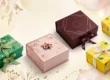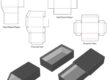

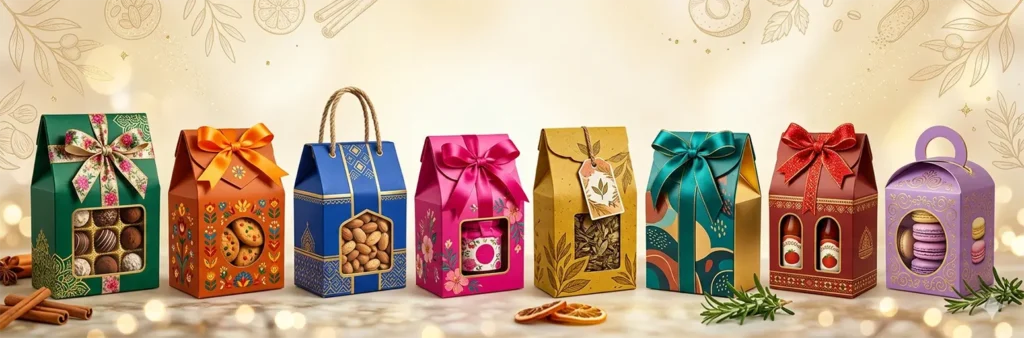
8 Irresistible Gift Box Packaging Ideas That Boost Your Food Brand Sales
When customers receive a beautifully packaged product, they do not just see the box — they feel the brand. In the competitive world of food gifting, gift box packaging ideas can be the difference between a one-time buyer and a loyal repeat customer.
Whether sell artisan chocolates, gourmet hampers, bakery treats, or specialty spices, the right gift box design tells story before the product is even opened.
This guide covers eight powerful gift box packaging ideas tailored specifically for food brands. It will also find actionable tips on branding, material selection, and the common mistakes to avoid. By the end, will have a clear roadmap to packaging that drives real sales growth.
Why Gift Box Packaging Matters for Food Brands
Packaging is no longer just about protection — it is a full marketing tool. According to the U.S. Food and Drug Administration (FDA), food packaging must meet strict safety and labelling standards (FDA Food Labeling & Nutrition), but beyond compliance it is brand’s first handshake with the customer.
Research consistently shows that consumers form an opinion about a product within the first seven seconds of seeing it. For food businesses, this moment often happens at the box.
Smart gift box packaging ideas do three things at once: they protect food product, they present brand story, and they create an unboxing moment customers want to share on social media. This triple impact is why investing in the right packaging design pays back many times over.
First Impressions Drive Purchase Decisions
A well-designed gift box communicates quality before the lid is even lifted. When food product arrives in a premium rigid box with a magnetic closure, tissue paper, and a branded insert card, the customer instantly perceives higher value.
This perception directly influences their willingness to pay a premium price — and to return for more. For a deep dive into finishes that amplify this effect, read our article Luxury Gift Box Finishes That Elevate Your Brand, where we cover soft-touch lamination, foil stamping, and spot UV coating in detail.
How Packaging Builds Trust in Food Products
For food brands especially, packaging signals freshness, safety, and care. A poorly sealed, flimsy box raises questions about the food inside. A sturdy, well-printed food gift box communicates that take quality seriously at every step.
This trust is foundational to customer retention — something we covered in depth in our guide Gift Box Packaging Mistakes to Avoid for Better Customer Retention.
The U.S. Small Business Administration also highlights packaging as a core part of product marketing strategy for small food businesses, noting that brand-consistent packaging can increase repeat purchase rates significantly (SBA: Strengthen Your Brand).
8 Irresistible Gift Box Packaging Ideas for Food Brands
Below are eight proven gift box packaging ideas that work exceptionally well for food brands of all sizes — from artisan startups to established gourmet labels.
- Window Cut-Out Boxes That Showcase Food Product
Nothing builds appetite like seeing the product before opening the box. Window cut-out gift boxes feature a clear PET or acetate window on the lid or front panel, letting customers see the artisan chocolates, macarons, pastries, or spice blends inside without unwrapping anything.
These boxes work especially well for retail shelf display and gifting scenarios where the visual appeal of the food itself is strongest selling point. Pair a window box with kraft paper or a matte-finished exterior for an earthy, artisan aesthetic that communicates natural ingredients and handmade quality.
For seasonal applications, read our guide Holiday-Themed Gift Boxes that Delight Customers, where themed structural design — including window cut-outs shaped as stars and hearts — proved to outperform generic boxes in festive sales periods.
- Kraft Paper Gift Boxes for an Organic, Artisan Feel
Sustainability is no longer a niche preference — it is a mainstream consumer expectation. Kraft paper gift boxes, made from unbleached recycled materials, immediately signal eco-consciousness and artisan authenticity. For food brands selling organic produce, farm-fresh goods, herbal teas, or health snacks, kraft packaging aligns perfectly with product values.
Kraft boxes can be customised with stamp-style logo printing, twine closures, dried flower tags, or hand-written labels to deepen the handmade impression. They are also naturally biodegradable, which helps food brands meet growing environmental expectations.
According to the U.S. Environmental Protection Agency (EPA), sustainable packaging is a key part of reducing commercial food waste across the supply chain (EPA: Sustainable Management of Food).
- Magnetic Closure Gift Boxes for Premium Food Gifting
When the target customer is a premium buyer or a corporate gifting client, magnetic closure gift boxes are the gold standard. The satisfying snap of a magnetic lid signals luxury instantly.
These rigid boxes feel substantial in the hand, hold their shape perfectly during shipping, and open dramatically — creating that memorable unboxing moment customers will photograph and share.
For food brands, magnetic closure boxes are ideal for high-ticket products: luxury chocolate assortments, aged whisky accompaniments, premium olive oil sets, or gourmet truffle collections.
We explored the comparative benefits of closure types in Magnetic vs. Ribbon Closure: Which is Better for Your Gift Box? — and for food gifting at premium price points, the magnetic option consistently wins on perceived value.
- Themed Seasonal Gift Boxes That Drive Holiday Sales
Seasonal packaging is one of the most reliable revenue drivers for food brands. A Christmas gift box in deep red and gold, a Valentine’s Day box in blush pink and ivory, or an Eid special in emerald green and rose gold — themed gift boxes tap into the emotional energy of the season and make product feel like a perfect ready-made gift.
The key to seasonal success is planning campaigns at least two months ahead. We mapped out the full production and promotional schedule in Organizing Seasonal Gift Box Campaigns, covering pre-order timelines, box stock planning, and launch-week promotional tactics that consistently lift revenue during peak gifting periods.
- Personalised Food Gift Boxes for Corporate Orders
Corporate gifting is a growing and highly profitable channel for food brands. Companies order personalised gift boxes for client appreciation, staff rewards, event giveaways, and festive seasons — often in quantities of 50 to 500+ units.
To win and keep corporate clients, need packaging that can be customised with their logo, brand colours, and a personalised message card.
Personalised gift boxes for this market typically feature a two-layer branding approach: food brand’s identity on the box itself and the corporate client’s logo on an overprint belly band or sleeve.
We covered minimum order quantities, lead times, and the best structural box types for corporate food hampers in our dedicated guide Personalized Gift Boxes for Corporate Gifting.
- Compartment Gift Boxes for Curated Food Hampers
A curated food hamper — a selection of jams, crackers, cheeses, chocolates, and nuts arranged beautifully in a single box — is one of the most giftable products a food brand can sell.
Compartment gift boxes, featuring internal card dividers or moulded pulp trays, keep each product in its own dedicated space, preventing movement during transit and creating a magazine-worthy presentation when the box is opened.
The key design principle is visual hierarchy: arrange products by height and colour so the first view into the open box is immediately stunning. Use tissue paper, shredded paper filler, or faux grass to fill gaps and add texture.
Compartment boxes also make it easier for customers to identify each product, which is especially important for food brands with allergen labelling obligations under FDA guidelines.
- Eco-Friendly Gift Boxes That Reflect Brand Values
Beyond kraft paper, there is a full spectrum of sustainable gift box materials available to food brands: recycled corrugated board, seed-embedded paper, mushroom mycelium packaging, and soy-ink printed boxes.
Choosing eco-friendly gift box options is not just a values statement — it is a sales argument. A growing segment of food consumers actively seek out brands whose packaging matches their environmental values, and they are willing to pay more for it.
Eco-friendly packaging choices also align with EPA guidance on reducing food-related commercial waste (EPA: Sustainable Management of Food). This connects to insights from our guide Gift Box Packaging for Subscription Services, where sustainable packaging proved to be a key retention driver among environmentally conscious subscription box customers.
- Subscription Food Gift Boxes for Repeat Customers
The subscription food box model — monthly deliveries of curated snacks, meal kits, specialty coffees, or seasonal produce — is one of the fastest-growing segments in food e-commerce. Packaging for subscription boxes has a unique challenge: it must feel fresh and exciting every single month, yet maintain consistent brand recognition across every delivery.
The solution is a modular system: a fixed branded outer box combined with changeable inner elements — different coloured tissue paper, rotating themed insert cards, seasonal belly bands, or themed stamps.
We explored the full packaging strategy for this model in Gift Box Packaging for Subscription Services, covering shipping durability, unboxing time optimisation, and personalised note strategies that keep subscribers engaged month after month.
How to Choose the Right Gift Box Style for Food Product
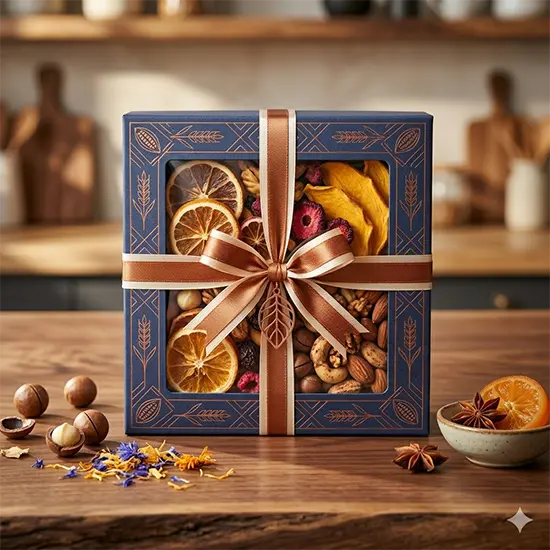
With so many gift box types available — rigid boxes, tuck boxes, soap boxes, candle boxes, cosmetic boxes, tincture boxes, CBD boxes, and more — choosing the right structure for food product requires matching form to function.
- Matching Box Size and Structure to Product Type
The golden rule is simple: the box should fit the product with minimal empty space. Too much space means product movement during shipping; too little means a forced, unprofessional fit. For liquid food products like sauces, oils, or tinctures, a rigid box with a custom foam or pulp insert is the safest choice.
For dry goods like chocolates, biscuits, or snack bars, a tuck-end box or a flip-lid rigid box works well.
Food brands selling candle-adjacent products — soy candle melts, scented food oils — can borrow from candle box design principles: a structured sleeve with a pull-out drawer creates an elegant reveal moment.
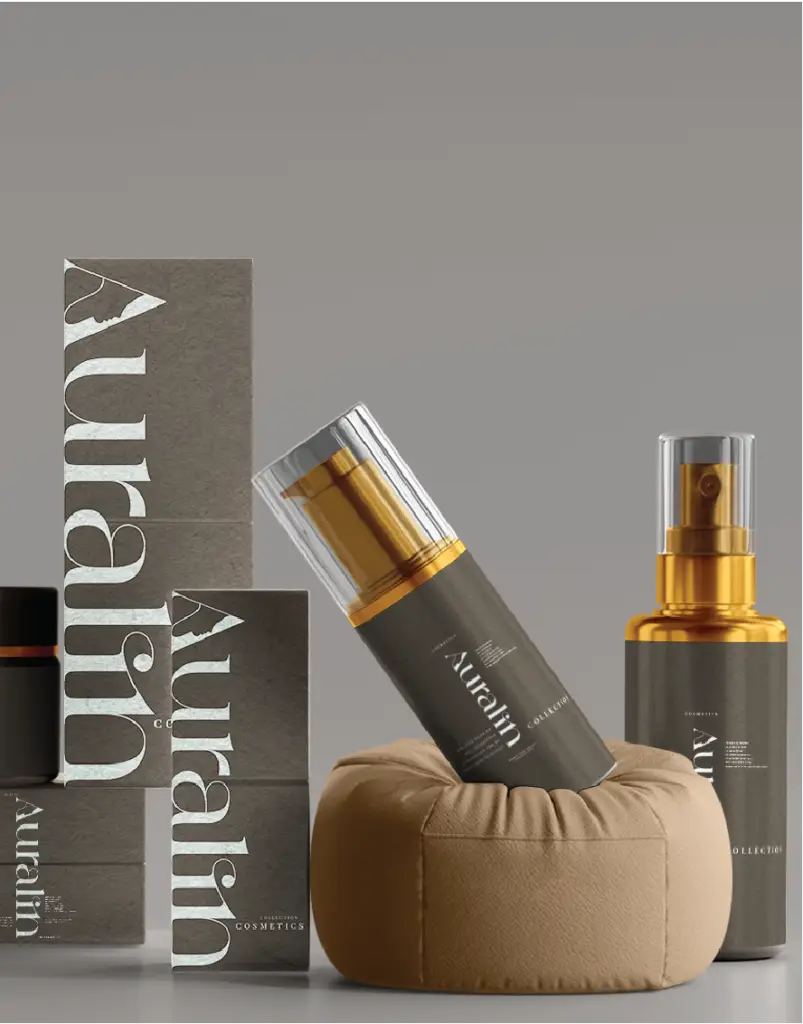
If food product has a cosmetic-style presentation (think edible face masks, beauty-food hybrids, or supplement powders), a cosmetic box structure with a foam insert and a branded lid will position product in the premium wellness space.
- Choosing Materials That Keep Food Fresh and Safe
Food packaging must meet safety standards beyond aesthetics. According to the FDA’s food labelling guidelines (FDA Food Labeling & Nutrition), any material in contact with food must be food-safe certified.
For gift boxes, the outer box is usually separated from the food by primary packaging, so the box material itself has more flexibility — but avoid inks or coatings that could transfer odour to sensitive food products like chocolates or teas. Soy-based inks and water-based coatings are the safest options.
Branding Tips to Make Food Gift Box Stand Out
Great packaging is not just about structure — it is about the total sensory experience. Here is how to build a gift box that people remember long after the food is gone.
- Using Colour, Logo, and Typography Effectively
Box colour palette should extend brand identity, not fight against it. Choose two to three core colours and apply them consistently across the box exterior, interior lining, tissue paper, and insert cards.
For food brands, warm tones (terracotta, cream, burgundy) communicate indulgence and tradition; cool tones (sage, slate blue, ivory) communicate health, freshness, and sophistication.
Typography on food gift boxes should be legible at a glance. Brand name should dominate the lid.
Product descriptors should be benefit-led — not just ‘Chocolate Truffles’ but ‘Hand-Rolled Dark Chocolate Truffles, Single Origin Ecuador.’ We covered the full branding playbook in 7 Gift Box Branding Secrets That Strengthen Customer Loyalty, including how font weight, spacing, and logo size placement directly influence perceived product quality.
- Adding Inserts and Tissue Paper for a Premium Feel
The interior of gift box is as important as the exterior. Branded tissue paper in brand colours, a custom insert card with a thank-you message and a QR code linking to story, a product information card with serving suggestions — these elements transform a box into a complete gifting experience.
Insert cards are particularly powerful for food brands because they can include recipe ideas, ingredient sourcing stories, or pairing suggestions. A card that reads ‘This single-origin dark chocolate pairs beautifully with a Malbec or a strong espresso’ makes the gift feel thoughtful rather than generic. We explored this in detail in 7 Creative Gift Box Inserts That Delight Every Customer, where personalised inserts consistently outperformed generic packing materials in customer satisfaction scores.
Common Food Gift Box Packaging Mistakes to Avoid
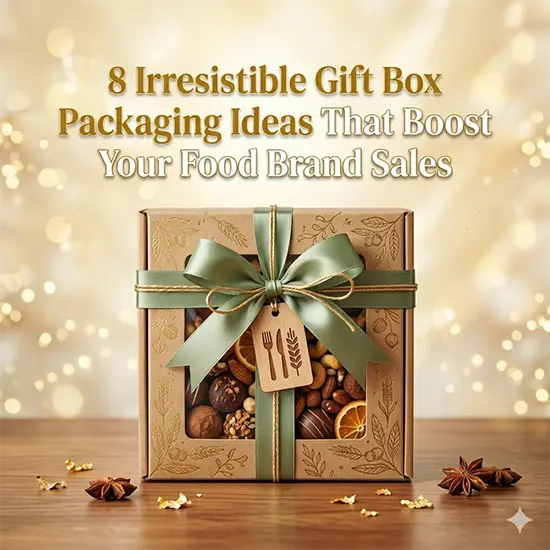
Even excellent products can underperform because of avoidable packaging errors. Here are the most common pitfalls food brands make with their gift box packaging.
- Ignoring Food Safety and Packaging Regulations
In the United States, food packaging is regulated by the FDA under the Federal Food, Drug, and Cosmetic Act. Labels must include accurate ingredient lists, allergen disclosures, net weight, and producer information. Failing to meet these requirements can result in costly product recalls and legal liability. Always consult the FDA’s official guidelines before finalising food gift box design: FDA Food Labeling & Nutrition — www.fda.gov/food/food-labeling-nutrition.
For food brands selling across state lines or internationally, additional regulations may apply. Work with a packaging supplier experienced in food-grade packaging who can guide through compliance requirements specific to product category.
- Overlooking the Unboxing Experience
Many food brands invest in a beautiful exterior but neglect what happens when the lid opens. Unboxing is a marketing moment — one that gets filmed, photographed, and shared across Instagram, TikTok, and YouTube. If the interior is bare cardboard, loosely packed products, and a generic receipt, miss an enormous organic marketing opportunity.
The unboxing experience should be choreographed: lid opens to reveal tissue paper, tissue is peeled back to reveal products arranged beautifully, a personalised card sits on top.
This sequence takes thought but the return in social shares is substantial. Read our full breakdown in Unboxing Magic: 5 Design Secrets to Elevate Your Custom Gift Box, where we reveal the five structural and decorative techniques that turn ordinary boxes into shareable moments.
Frequently Asked Questions About Food Gift Box Packaging
The following questions are drawn from real searches people make when looking for gift box packaging solutions for their food brands.
What is the best material for food gift boxes?
For most food gift boxes, rigid greyboard wrapped in printed paper or linen is the premium choice. It is sturdy, looks luxurious, and takes printing and finishing treatments beautifully. For eco-conscious brands, recycled corrugated board or kraft rigid board is an excellent alternative.
Always ensure the interior material is food-safe — for full material compliance standards refer to the FDA Food Labeling & Nutrition guidelines.
Can I order custom food gift boxes in small quantities?
Yes. Many packaging suppliers, including packifyme.com, offer short-run custom gift box printing with low minimum order quantities — often starting at 50 to 100 units.
Digital printing technology has made small-batch customisation affordable, meaning food startups and artisan producers can access the same branding quality as large brands without committing to warehouse-filling quantities.
How do I make my food gift box sustainable?
Start with the box material: choose recycled or FSC-certified board. Switch from plastic inserts to moulded pulp or shredded paper filler. Use water-based inks and coatings rather than solvent-based options. Remove unnecessary plastic lamination from the exterior — matte aqueous coating gives a premium look without plastic.
The EPA’s Sustainable Management of Food programme provides detailed guidance for food businesses looking to reduce packaging waste: EPA Sustainable Management of Food — www.epa.gov/sustainable-management-food.
What size gift box do I need for a food hamper?
Standard food hamper boxes range from a small selection box (approximately 20cm x 15cm x 8cm for 3 to 5 items) to a large luxury hamper box (40cm x 30cm x 15cm for 10 to 15 items).
The right size depends on product mix and the weight box needs to carry. For heavy items like glass jars or bottled sauces, always choose a double-wall corrugated outer or a heavyweight rigid box to prevent collapse in transit.
How much does custom gift box printing cost for food brands?
Cost depends on box style, quantity, finishing, and print complexity. As a general guide, rigid gift boxes with full-colour printing and a matte laminate finish start from approximately $3 to $8 per unit at 100-piece quantities, dropping significantly at 500+ units.
Tuck-end folding cartons are more economical, typically $0.80 to $2.50 per unit at similar quantities. Always request samples before committing to a full production run.
Do gift box packaging ideas differ for candle boxes, soap boxes, and food boxes?
Yes — the structural requirements differ significantly. Candle boxes and soap boxes are designed for dry, stable products that do not need tamper-evident sealing or strict food-safe interior materials. Food gift boxes must account for weight variation, potential condensation, odour transfer, and regulatory labelling space. That said, the unboxing design principles are transferable — the luxury rigid box approach used in candle packaging translates beautifully to premium food products. See 6 Candle Gift Box Styles That Inspire Memorable Celebrations for specific structural formats that work equally well for premium food gifting.
How can gift box packaging drive repeat purchases?
Packaging drives repeat purchases in three ways. First, a memorable unboxing experience creates an emotional bond with brand. Second, insert cards with discount codes or QR codes give customers a direct path back to purchase. Third, subscription packaging that arrives in a branded box with seasonal updates keeps the relationship feeling fresh. We covered the repeat-purchase power of packaging design in depth in 10 Gift Box Packaging Ideas That Drive Repeat Purchases.
Putting It All Together: Food Gift Box Packaging Strategy
The eight gift box packaging ideas in this guide are not standalone tactics — they work best as part of a joined-up packaging strategy that connects product, brand, customer, and price point.
Start with product’s core story: what makes it special, who is buying it, and what emotion want them to feel when they open the box. Then choose box structure based on functional requirements. Add branding layer — colours, typography, logo placement, finishes. Finally, design the interior experience — inserts, tissue paper, personalised cards — to create an unboxing moment worth sharing.
For seasonal peaks, plan two months ahead and use themed packaging elements to keep core box investment while delivering fresh seasonal energy. For corporate clients, build a two-layer branding system that accommodates their logo without compromising.
The brands that win in food gifting are not always those with the best product — they are the brands that make customers feel something every time a box arrives. Explore more packaging strategies across the packifyme.com blog, and check our guides on Gift Box Branding Secrets, Personalized Gift Box Ideas, and Seasonal Gift Box Campaigns to build a complete packaging strategy for food brand.