
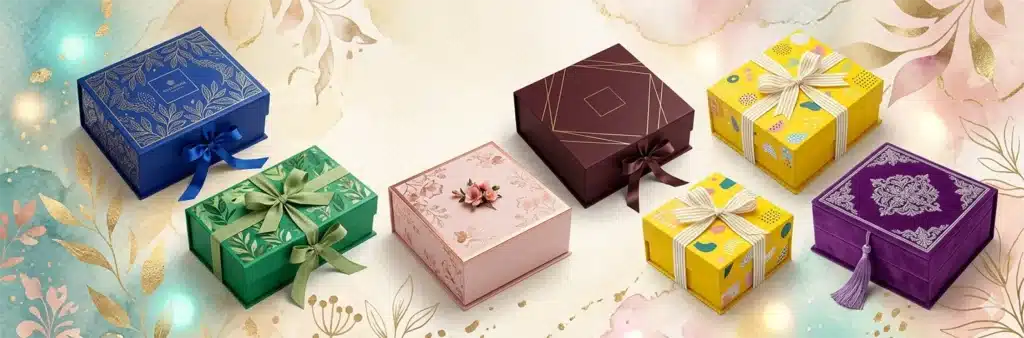
10 Stunning Custom Gift Box Ideas That Make Every Product Unforgettable
Introduction
A gift is never just an object, it is an emotion, a memory, and a meaningful moment wrapped in anticipation. The very first thing people experience is not what is inside, but the packaging they hold in their hands. They notice the texture, admire the craftsmanship, feel the weight, and experience the excitement of slowly lifting the lid or unfolding the flap. In that instant, the gift box becomes far more than packaging, it becomes part of the emotion itself, setting the tone for the entire experience and transforming an ordinary present into something truly special and unforgettable.
For brands, this moment represents the most powerful opportunities in the entire customer journey. A custom gift box that feels intentional, premium, and on-brand does not just protect the product inside. It elevates it.
It signals to the recipient that the person who sent this chose something of quality, that the brand behind it cares about every detail, and that what is inside is worth anticipating. Custom gift box packaging is used across a wide range of product categories. Cosmetic brands use it for holiday sets and premium skincare bundles. Candle companies use it for gifted collection boxes. Food brands use it for artisan hampers and celebration kits. Soap brands use it for curated bath sets. CBD and wellness brands use it for subscription and gifting tiers. Rigid box manufacturers use it for high-end jewelry and accessories. The common thread is always the same: the custom gift box communicates value before the product inside ever speaks for itself.
This article walks through 10 stunning custom gift box ideas for brands ready to build a packaging experience that customers remember, share, and return for.
Whether a small-batch maker or a growing retail brand, these ideas are designed to be practical, scalable, and strategically aligned with how customers actually experience gift packaging.
Why Custom Gift Box Packaging Is a Strategic Business Decision
Many brands treat gift packaging as a seasonal add-on, something they think about in October for the holiday rush and forget for the rest of the year. This is a significant missed opportunity. Custom gift box packaging, when designed with intention, is one of the highest-return packaging investments a brand can make.
The reason is simple: gifting occasions are moments of elevated purchase intent. When a customer is buying a gift, they are already committed to spending. What they are deciding is not whether to buy, but which product represents the quality and care they want to convey. A brand with compelling gift packaging wins that decision more often, at a higher price point, than a brand with generic packaging. Gift packaging also drives word-of-mouth and social sharing in a way that everyday retail packaging rarely does.
An unboxing experience that feels special motivates people to photograph it, post it, and tag the brand. This earned media has a value that is genuinely difficult to replicate through paid advertising.
For brands selling across multiple packaging categories, such as soap boxes, candle boxes, cosmetic boxes, food boxes, and tuck boxes, a cohesive custom gift box range that shares visual DNA with the rest of the product line reinforces brand identity across every touchpoint. It turns occasional buyers into loyal customers and loyal customers into brand advocates. According to the Packaging and Labeling section of the U.S. Small Business Administration, packaging that communicates quality and brand identity is one of the most cost-effective marketing investments available to product-based small businesses, directly influencing both first-purchase conversion and repeat purchase behavior. For guidance, visit: https://www.sba.gov/business-guide/launch-your-business/choose-business-structure
10 Stunning Custom Gift Box Ideas for Every Brand
- Rigid Lid-and-Base Gift Box with Magnetic Closure
The rigid lid-and-base custom gift box is the gold standard of premium gift packaging. It is constructed from thick chipboard wrapped in a decorative paper or fabric, with a separate lid and base that fit together with a satisfying, precise fit. Adding a magnetic closure, where small magnets embedded in the lid and base create a gentle snap, elevates the experience further.
This style is ideal for jewelry, watches, premium cosmetics, perfumes, and high-value accessories. The rigid structure means the box itself becomes a keepsake. Customers rarely discard a well-made rigid lid-and-base box. They reuse it for storage, display it, or keep it as a reminder of the brand experience.
For brands that want the premium feel of a rigid box at a lower per-unit cost, a thick-paperboard tuck box with premium finishing, such as embossing, foil stamping, and matte lamination, can achieve a comparable perceived quality at a fraction of the rigid box price point. This is worth exploring if gift packaging needs to scale across a broad SKU range. For the magnetic closure approach applied to smaller product formats, see our detailed guide on Magnetic Closure Tuck Boxes: Premium Appeal for Small Products.
- Two-Piece Drawer Gift Box
The drawer gift box, also called a sliding gift box or sleeve box, consists of an outer sleeve and an inner tray that slides out like a drawer. The reveal moment, where the recipient pulls the inner tray from the sleeve to discover the contents, creates a theatrical unboxing experience that feels both elegant and playful.
Drawer gift boxes are widely used for cosmetic sets, jewelry, chocolate and confectionery boxes, and premium soap boxes. They can be produced in rigid chipboard construction for the highest tier, or in paperboard for a mid-range gift presentation. The exterior sleeve offers a full wraparound print surface, while the interior tray can be lined with tissue paper, fabric, or custom-printed inserts. From a structural standpoint, the drawer box is closely related to the sleeve tuck box format. Brands already using tuck box packaging for their standard retail line can extend this approach into gift packaging by upgrading the material and finish of a sleeve-style structure, creating visual consistency across their packaging range.
- Window Custom Gift Box with Ribbon Closure
A window custom gift box combines a die-cut opening covered with clear acetate film and a ribbon closure, usually a satin or grosgrain ribbon threaded through holes in the box sides or tied around the exterior. This style lets the recipient see the product before opening, building anticipation while keeping the contents protected.
Window gift boxes work exceptionally well for artisan food products, handmade soap sets, bath bomb collections, and small cosmetic bundles. The visible product inside communicates freshness, color, and texture immediately, which drives purchase decisions when the box is displayed in a retail setting. For a thorough guide on window packaging design, including film specifications, window shape options, and structural integration, see The Ultimate Premium Window Tuck Box Packaging Guide for Retail Branding Success.
The ribbon adds a tactile premium element at very low cost. A satin ribbon in a brand-matched color signals care and intentionality without adding significant material expense. For brands on a budget, a printed paper band or belly band around a standard custom gift box can achieve a similar effect at even lower cost.
- Custom Printed Folding Carton Gift Box
The folding carton gift box is the most versatile and cost-accessible gift box format. It is produced from a die-cut, scored paperboard blank that folds into shape, similar in construction to a tuck box but designed with gift-oriented structural features such as tuck-in lids, French reverse tuck closures, or integrated carry handles.
What makes folding carton gift boxes compelling is the print surface. All four exterior panels, the top, bottom, and interior surfaces are available for full-color design. A well-designed folding carton gift box with vibrant CMYK printing, spot UV on the brand logo, and matte lamination on the body will outperform a plain rigid box in brand impact at a significantly lower cost. This format is the most practical gift box option for brands that need to scale across large quantities, multiple SKUs, or seasonal variations. Digital printing allows short-run customization, while offset printing delivers cost efficiency at higher volumes.
For brands managing a full packaging range across soap boxes, candle boxes, food boxes, and cosmetic boxes, a unified folding carton design language across all gift packaging maintains brand cohesion at manageable cost. For print method guidance relevant to gift packaging production, including digital vs offset trade-offs and gang printing strategies, see our article on How to Design Custom Tuck Boxes for Small Batch Products.
- Eco-Friendly Kraft Gift Box
The eco-friendly kraft gift box uses unbleached or recycled kraft paperboard as its primary material, creating a natural, earthy aesthetic that resonates strongly with environmentally conscious consumers. The kraft surface pairs beautifully with minimalist design, black or white ink, earthy tones, and simple typography. This style is popular across several product categories. Artisan food brands use kraft gift boxes for hampers and specialty kits. Natural soap and skincare brands use them to reinforce their clean ingredient story. Candle brands with a sustainable positioning use them to communicate material transparency. CBD and wellness brands use them to signal natural, plant-based values.
Eco-friendly gift packaging is increasingly not just a preference but an expectation. According to the U.S. Environmental Protection Agency (EPA), consumer awareness of packaging sustainability has driven significant increases in demand for recyclable and recycled-content packaging across retail categories. Brands that use kraft or recycled board gift boxes can make an honest, verifiable sustainability claim that resonates with today’s consumers. EPA data on packaging materials and recycling is available at: https://www.epa.gov/facts-and-figures-about-materials-waste-and-recycling
For design inspiration and material guidance on sustainable packaging, see our full guide on Eco-Friendly Tuck Box Designs for Sustainable Brands.
- Custom Gift Box with Printed Interior
Most brands invest all of their design budget in the exterior of the gift box and treat the interior as an afterthought. This is a significant missed opportunity. The interior of a gift box is the surface the recipient sees first when they open it. A printed interior, whether it is a full-color pattern, a brand message, a story about the product, or a simple texture, transforms the unboxing moment from a functional act into an emotional one.
Interior printing is available for rigid boxes, folding carton gift boxes, and deep tray formats. The cost of interior printing, particularly for folding cartons where both sides of the paperboard are printed in a single pass, is lower than most brands expect. Even a single-color interior print in a brand-aligned accent color creates a distinctly premium feel at minimal additional cost. For food boxes, a printed interior can carry food safety information, storage instructions, or a recipe in a format that feels designed rather than obligatory. For cosmetic boxes, it can carry ingredient stories or usage rituals. For candle boxes, it can carry fragrance notes and burn care instructions in a way that deepens the customer’s relationship with the product.
- Gift Set Box with Custom Insert
When a gift box contains multiple items, a custom insert is what elevates it from a filled box to a curated presentation. Inserts, whether made from foam, pulp molding, corrugated cardboard, or scored paperboard, hold each item in its precise position, prevent movement during transit, and create a visually organized reveal when the box is opened. Custom inserts are particularly vital for gift sets that combine products of different shapes and sizes, such as a cosmetic set with a serum, a moisturizer, and a lip balm, or a candle and soap pairing, or a food hamper with jars, pouches, and wrapped confectionery. Without an insert, these items shift in transit and arrive in disarray. With a well-fitted insert, they arrive perfectly arranged, which is a direct reflection of the brand’s attention to detail.
Insert materials should be chosen based on product fragility, sustainability values, and aesthetic. Pulp molded inserts are eco-friendly and have a premium, intentional look. Foam inserts offer the highest protection for fragile items. Scored paperboard inserts are cost-effective and printable. Fabric or velvet-lined inserts signal luxury and are appropriate for jewelry, watches, and high-value cosmetic sets.
- Seasonal and Limited-Edition Gift Box
Seasonal gift packaging, designed specifically for holidays, celebrations, or limited product releases, is one of the highest-converting packaging investments a brand can make. Customers are actively seeking gifting options during these periods, and packaging that clearly signals the seasonal occasion, through color, graphic motifs, or messaging, captures purchase intent at exactly the right moment.
The key discipline with seasonal gift boxes is planning. Brands that plan seasonal packaging 8 to 12 weeks in advance can access offset print pricing at better quantities, have time for proofing cycles, and avoid the premium costs of expedited digital print orders. The cost difference between a planned seasonal run and a last-minute order can be 20 to 35% per unit. For strategic guidance on creating limited-edition packaging that builds anticipation and drives pre-launch engagement, see Tuck Boxes for Limited Edition Products: How to Build Anticipation.
Seasonal gift boxes also benefit from die-cut shape creativity. A gift box shaped like a star, a house, a Christmas tree base, or a heart outline adds an immediate visual signal on shelf or in an unboxing video that standard rectangular packaging cannot replicate. For structural shape ideas that create shelf impact, see Die-Cut Tuck Boxes: Creative Shapes to Stand Out on Shelves.
- Gift Box with QR Code for a Digital Experience
A physical gift box that connects to a digital experience is one of the most forward-thinking packaging ideas available to modern brands. A QR code printed on the interior lid, the base, or a custom insert card can link the recipient to a personalized video message from the sender, a product tutorial, a loyalty program signup, a behind-the-scenes brand story, or a curated playlist. This approach is particularly powerful for subscription gift boxes, corporate gifting programs, and premium product launches where the brand wants to create a relationship with the end recipient, not just the purchaser.
The QR code adds no material cost and only a negligible print cost, yet it transforms a static packaging experience into an ongoing brand conversation.
For a complete practical guide on QR code integration in custom packaging, including design placement, landing page strategy, and tracking, see How to Add QR Codes to Tuck Boxes. For food gift boxes, a QR code can link to sourcing information, recipes using the products inside, or pairing suggestions. For cosmetic gift boxes, it can link to a personalized skin routine. For candle and soap gift sets, it can link to fragrance stories or ingredient transparency pages. The possibilities are as broad as the brand’s imagination.
- Corporate and Branded Gift Box
Corporate gift packaging is a distinct category with its own requirements. A corporate gift box must communicate the professionalism and values of the gifting organization, create a strong impression on the recipient, and often accommodate a wide range of products depending on the recipient and occasion. It must also be scalable, because corporate orders frequently involve hundreds or thousands of identical boxes delivered to different recipients.
The most effective corporate gift boxes share three characteristics: a strong, consistent exterior brand presence through logo, color, and typography; a clean, organized interior presentation through custom inserts or structured compartments; and a personalization element, whether printed recipient names, handwritten note cards, or variable digital content via QR code, that makes each recipient feel individually considered. For brands that want to enter the corporate gifting market, creating a specific gift box SKU with a premium finish, a neutral but brand-aligned interior color, and a clear insert system for variable product combinations is the most scalable approach. This allows the base box to remain constant while the contents and personalization vary per recipient.
For retail shelf impact strategies that also apply to corporate gift presentation, see Custom Display Tuck Box Packaging for Retail Branding.
Choosing the Right Materials for Custom Gift Box
The material choose determines the perceived quality of gift box before a single design element is applied. Here is a practical guide to the most common gift box materials and where each one performs best.
- Rigid Chipboard
Rigid chipboard is the heaviest and most premium gift box material. It is used in lid-and-base boxes, drawer boxes, and clamshell formats. Chipboard is wrapped in a decorative paper, fabric, or specialty material and cannot be printed directly. It is the highest-cost option but delivers the highest perceived value and is appropriate for luxury cosmetic boxes, jewelry gift boxes, and high-end food hampers.
- SBS Paperboard
SBS (Solid Bleached Sulfate) paperboard is the standard material for printed folding carton gift boxes. Its bright white surface delivers exceptional print quality and color accuracy, making it ideal for vibrant cosmetic gift boxes, food gift boxes, and seasonal holiday packaging. It is available in a range of board weights from 300 gsm to 450 gsm.
- Kraft and Recycled Board
Kraft and recycled paperboard deliver a natural, eco-conscious aesthetic. They are appropriate for artisan, organic, and sustainability-positioned brands across soap boxes, food boxes, candle boxes, and CBD gift packaging. Recycled board is FSC-certifiable and allows brands to make verified sustainability claims on their packaging.
- Specialty Papers and Finishes
Specialty wrapping papers, including textured, embossed, metallic, and fabric-effect papers, are used to wrap rigid chipboard gift boxes or as decorative outer layers on folding carton formats. They add tactile interest and visual distinctiveness without requiring a premium structural upgrade. A folding carton gift box wrapped in a pearlescent or linen-effect paper achieves a premium feel at a fraction of the cost of a fully rigid construction.
Printing and Finishing Techniques That Elevate Gift Box Design
- Foil Stamping for Premium Brand Presence
Foil stamping applies a metallic, holographic, or colored foil to specific areas of the box surface through a heat and pressure process. Gold and silver foil on a dark or matte background is one of the most universally recognized signals of premium gift packaging. It is used across luxury cosmetic gift boxes, high-end food gift boxes, and celebration packaging in virtually every product category. The cost of foil stamping is higher than standard print finishing, but the return in perceived product value is consistently disproportionate.
A simple matte black gift box with a gold foil brand logo communicates luxury more effectively than a complex multi-color design without foil. Restraint in design combined with precision in finish is the formula for premium gift packaging.
For innovative design approaches that combine structural creativity with premium finishing, see 9 Innovative Tuck Box Designs That Win Customers’ Attention.
- Embossing and Debossing
Embossing raises a design element above the box surface for a three-dimensional effect. Debossing presses it below the surface. Both techniques create a tactile quality signal that is immediately felt when the box is picked up, before the visual design even registers. Embossed logos, debossed brand names, and raised pattern textures are widely used on premium gift boxes across all product categories. Blind embossing, where no ink or foil is applied and the effect is purely structural, is a particularly elegant choice for monochromatic or minimalist gift packaging. It communicates confidence in the brand identity by letting the form speak for itself.
- Matte Lamination with Spot UV
Matte lamination creates a soft, velvety surface finish that reads as premium and modern. Applying spot UV coating over the matte base, where high-gloss varnish is applied to specific design elements such as a logo, a pattern, or a product name, creates a striking contrast between the soft matte background and the glossy accents. This finish combination is one of the most popular choices for premium cosmetic gift boxes, candle gift sets, and high-end food gift packaging.
- Custom Ribbon, Tissue Paper, and Inserts
Finishing elements inside the gift box contribute as much to the overall experience as exterior print quality. Custom-colored tissue paper in brand-matched shades, satin or grosgrain ribbon in a contrasting or complementary color, and printed message cards or booklets inside the box all contribute to the moment of reveal. These elements have a high sensory impact relative to their material cost and should be considered as part of the total gift box design budget rather than as optional extras.
For structural ideas on display-ready gift packaging that also works for retail shelf presentation, see Custom Display Tuck Box Packaging for Retail Branding.
Custom Gift Box Packaging Across Product Categories
One of the strengths of the gift box format is its adaptability across product categories. Here is how gift packaging works across the most common product types:
- Soap boxes: Window gift boxes and kraft folding cartons with ribbon closure are the most popular formats for artisan soap sets and bath collections. A curated set of three or four soap bars in a window gift box with custom printed interior performs strongly at gift retail and online.
- Candle boxes: Lid-and-base rigid boxes and drawer boxes work well for single premium candles. Folding carton gift sets with custom inserts are the standard for candle and diffuser collections. Eco-friendly kraft gift boxes align well with natural wax and fragrance brands.
- Cosmetic boxes: Premium folding carton gift boxes with foil stamping and matte lamination are the dominant format for cosmetic gift sets. Rigid chipboard boxes are reserved for the highest-tier luxury products. Seasonal and limited-edition gift packaging is an important revenue driver for cosmetic brands across all price points.
- Food boxes: Kraft gift boxes, window gift boxes, and custom-insert hamper formats are the standard across artisan food, confectionery, tea, and specialty products. FDA food-safe material specifications must be confirmed when food products are in direct contact with packaging surfaces.
- CBD boxes and tincture boxes: Premium folding carton gift boxes with a clean, wellness-aligned aesthetic work well for CBD gift sets. Eco-kraft and minimalist design approaches resonate with the target demographic. Child-resistant closure requirements should be confirmed with packaging supplier for applicable product formats.
- Rigid boxes for jewelry and accessories: The rigid lid-and-base box with fabric lining and velvet or foam insert is the standard for jewelry and high-value accessories. This is the format with the highest cost per unit but also the highest customer perceived value, and it is frequently reused by recipients, extending the brand’s visibility beyond the point of sale.
For a foundational understanding of how retail packaging structure drives commercial performance across categories, see Retail Benefits of Using Custom Tuck Boxes.
Gift Packaging on Retail Shelves: How to Stand Out
In a retail environment, a gift box competes not just with other brands in the same category but with every other gift product in the customer’s field of vision. The customer is scanning for something that feels worthy of giving, and they make that judgment within a few seconds. Packaging needs to communicate its value in that window. Several design principles consistently drive shelf performance for gift packaging. Color contrast against the shelf environment attracts the eye first. Structural differentiation, an unusual shape, a visible ribbon, a transparent window, creates a second look. Print quality and finish communicate price tier. Typography conveys brand personality.
For structural approaches to shelf visibility that apply equally to gift packaging and retail formats, see 6 Tuck Box Shapes That Guarantee Instant Shelf Visibility. Gift packaging sold in peg-hook retail environments, such as small gift sets in pharmacies, stationery stores, or specialty retailers, benefits from a hanger slot or Euro hole that allows the package to hang at eye level. This is a minimal structural addition that significantly expands retail placement options. For guidance on hanger packaging design, see Custom Hanger Tuck Box Packaging for Retail Display.
Custom Gift Box Packaging for Small Businesses and Startups
Custom gift box packaging is not reserved for large brands with large budgets. Advances in digital printing, short-run die-cutting, and modular insert design have made professional gift packaging accessible to small-batch producers and startup brands at quantities as low as 50 to 100 units. For small businesses, the most cost-effective approach to gift packaging is to start with a single, well-designed folding carton gift box format that serves multiple products. A well-proportioned box with a strong brand print, a matte lamination, and a simple custom insert can accommodate top three or four products and be ordered in a single print run at a manageable quantity.
As the business grows, this core box can be extended with seasonal variants, premium finish upgrades, and additional SKUs, building a gift packaging system rather than a one-off solution. This approach is both cost-efficient and strategically sound, because it builds brand recognition across repeated packaging encounters rather than starting from scratch each season.
For practical small-batch packaging strategy applicable to gift box production, see How to Design Custom Tuck Boxes for Small Batch Products.
Conclusion: Custom Gift Box Is Part of the Gift
Great gift packaging does not just hold a product. It amplifies it. It tells the recipient that the person who chose this gift cared enough to select something from a brand that cares about every detail, from the weight of the paperboard to the precision of the foil stamp to the way the tissue paper rustles when the box is opened.
For brands, this moment of care is not just good manners. It is good business. Custom gift box drive higher perceived product value, stronger brand recall, greater social sharing, and deeper customer loyalty. They are, when designed with intention and executed with quality, among the highest-return packaging investments available. Whether creating a luxury rigid box for a flagship product, an eco-friendly kraft gift set for sustainable brand, a seasonal folding carton for holiday retail, or a corporate gifting solution for a B2B program, the principles in this guide give the foundation to create something customers will remember and brand will be proud of.
At packifyme.com, we work with brands across soap, candle, cosmetic, food, CBD, tincture, rigid box, and tuck box categories to create custom gift packaging that is designed to perform. Get in touch for a custom quote and let us help to build a gift box experience customers will not forget.
Frequently Asked Questions About Custom Gift Box
What is the best material for a custom gift box?
The best material depends on product, price point, and brand positioning. Rigid chipboard is the premium choice for luxury products like jewelry, high-end cosmetics, and premium food hampers. SBS paperboard is the standard for folding carton gift boxes with vibrant print quality. Kraft and recycled board suit eco-conscious and artisan brands. For most growing brands, SBS or kraft folding carton formats deliver the best balance of quality, print performance, and cost.
How much does a custom gift box cost?
Custom gift box pricing varies significantly by structure, material, quantity, and finish. A standard folding carton gift box with matte lamination typically ranges from $0.80 to $2.50 per unit at quantities of 500 to 2,000 units. Rigid chipboard boxes typically range from $3.00 to $8.00 per unit at similar quantities. Premium finishes such as foil stamping and embossing add 15 to 30% to base cost. Getting a custom quote from a specialist supplier like packifyme.com gives the most accurate pricing for specific specifications.
Can I get custom gift box in small quantities?
Yes. Digital printing makes custom gift box accessible at quantities as low as 50 to 100 units with no plate setup cost. This is ideal for startups, limited-edition launches, and seasonal test runs. As order quantities increase above 500 to 1,000 units, offset printing becomes more cost-effective and delivers superior color accuracy. Most professional packaging suppliers offer both options.
What finishes are most popular for premium gift boxes?
The most popular premium finishes for gift boxes are matte lamination combined with spot UV, gold or silver foil stamping on logos or accents, and embossing or debossing on brand names or pattern areas. Soft-touch matte lamination, which gives the box a velvety tactile feel, is particularly popular in the cosmetic and wellness gift packaging category. These finishes consistently elevate perceived product value and can justify a higher retail price.
How do I design a gift box for a food product?
Food gift boxes must meet FDA food safety requirements for packaging materials, including compliance for any inks, coatings, and adhesives that may come into contact with food products. For indirect food contact, standard SBS or kraft paperboard with food-safe inks is typically sufficient. For direct food contact, confirm food-grade certification with packaging supplier. Design-wise, food gift boxes perform best with a window to show the product, a clean print design that communicates the artisan or specialty nature of the contents, and food-relevant finishes such as matte or natural kraft that signal freshness and quality.
What is the difference between a gift box and a tuck box?
A tuck box is a folding carton structure where a flap, called the tuck end, folds into the open end of the box to seal it. Tuck boxes are primarily designed for retail shelf display and product protection. A gift box is designed specifically for the gifting occasion, prioritizing unboxing experience, premium presentation, and visual impact. In practice, many gift boxes are built on tuck box structures with premium finishes and interior details added. The distinction is less about structure and more about design intent and finishing level.
How can I make my gift box eco-friendly?
Choose recycled or FSC-certified kraft or SBS board. Specify water-based inks and coatings rather than solvent-based alternatives. Avoid plastic lamination in favor of water-based matte or gloss coatings where physical durability allows. Use pulp molded or scored paperboard inserts instead of foam. Design the box to be reusable by giving it a strong structure and an attractive interior. All of these choices reduce environmental impact while often also reducing cost, and they give credible sustainability messaging that resonates with today’s consumers.
Can I add personalization to custom gift box?
Yes, and personalization is one of the highest-return investments in gift packaging. Options range from variable digital printing where each box carries a unique recipient name or message, to printed name card inserts, to QR codes linking to personalized digital content. For corporate gifting at scale, variable data printing allows hundreds of individually personalized boxes to be produced in a single print run at minimal additional cost compared to a standard run.