
Common Mistakes to Avoid in Tincture Box Design
The creation of tincture boxes is clean-looking, but it is much more than just neat-looking. A box is the very first point of contact your customer sees. It tells your brand story and builds trust in that brand. Having one single design flaw will more than likely make your product look cheap and amateurish.
In this lesson, you’ll learn the most common tincture box design mistakes brands make and how to avoid them. Each section will better prepare you to design packaging that is beautiful, protects your tincture bottles, and drives more customers.
1. Having in Mind the Box Size
The Fit Should Be Appropriate
One of the most common mistakes is ordering the wrong box size. If the box is too large, the bottle will float around in it and break; if the fit is too tight, the bottle may shatter from pressure. The right size protects your tincture and keeps it safe.
Always measure the height, width, and diameter of your bottle before you make the box. Consider a little extra room for inserts or padding in case you want more protection.
The Look of Proportion
A correctly sized box also looks neat and professional. The oversized boxes give a bad impression since they show customers that you are either wasting material or selling a small product in a big box.
2. Low Quality Materials
Strength Counts, Durability Counts
A tincture box made out of cheaper or lower-end paperboard will bend or tear on command. This can be damaging not only to your company’s image but to the integrity of the tincture bottles themselves. Make sure to use higher-quality, more sustainable materials such as kraft paper, corrugated board, or rigid stock.
The Feel of Quality
Consumers are going to make judgments on whether or not your tincture is good versus bad based on their perceptions of that box they’re about to get. It’s a dense, silky, high-end material that just oozes luxury and confidence. Remember, the luxury is part of the product experience through your box.
3. Complicating the Tincture Box Design
Simple Is Beautiful
Some companies try to fit too many colours, patterns, or shapes on the label of their tincture. The attempt can disorient the buyer and make it look untidy. Straight lines and limited colours are much easier to remember and read.
Highlight Key Details
Leave only the essentials: your product name, your logo, your brand name, ingredients, and directions. Give it some whitespace so the look isn’t crowded and messy. Simple looks professional.
4. Lack of Brand Consistency
Your Box Should Tell Your Story
Everything in your tincture box should be just like your brand image. It will surely confuse your customers if they see a different font, color, or logo from the rest of your products. Use the same design theme on all your packages.
Build Brand Recognition
Your box needs to identify itself as yours the minute the customer opens it. Use your color scheme and font on each box design of your tinctures. Consistency is trust, and trust is loyalty.
5. Forgetting Legal Requirements
Follow the Rules
Tincture products, whether herbal tinctures or CBD tinctures, require special labeling information. Legal problems arise from information being withheld. Always include ingredient information, dosing instructions, information about the manufacturer, and warnings about health.
Transparency Builds Trust
Honesty and accuracy in labels reflect integrity. They enable customers to make safe and informed decisions. Never exaggerate the benefits of a product—it ruins your reputation.
6. Poor Color Selection
Colors Affect Emotions
The colors will play a great role in how your customer is going to perceive your product. The wrong color scheme can be deceiving. For example, the use of too many bright colors may give the medicinal tincture a light-hearted rather than professional tone.
Choose Colors That Represent Your Company
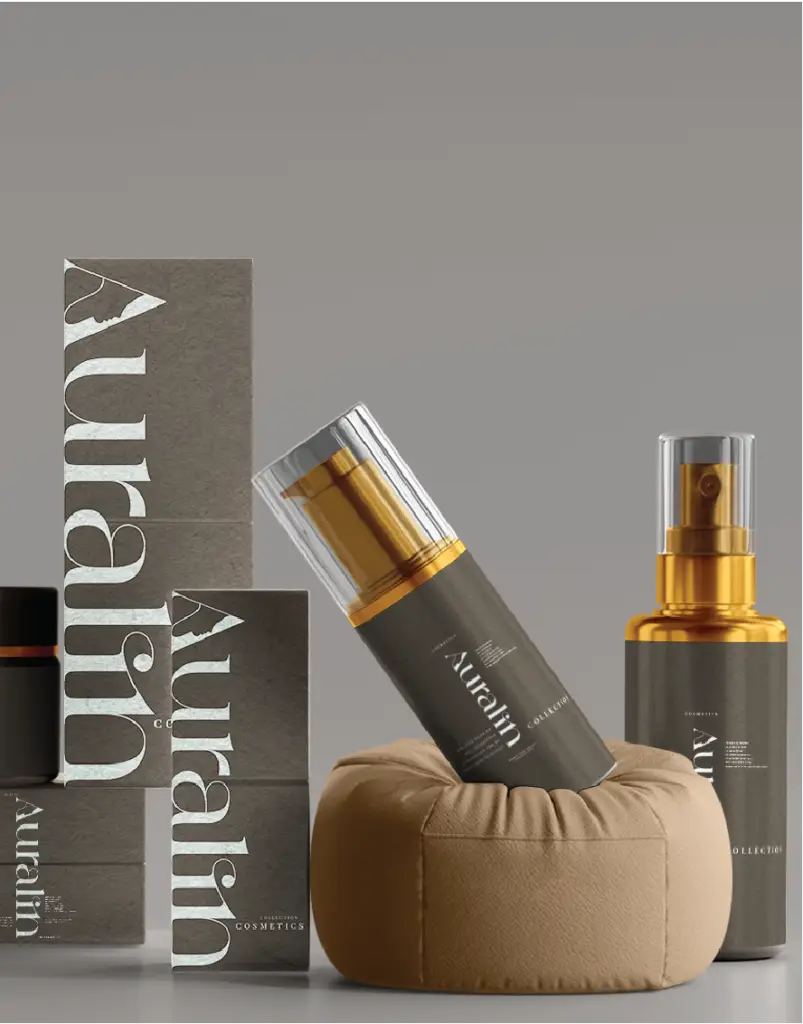
Earthy tones, such as browns, greens, and beiges, will work best with nature-based tinctures. Black, navy, or gold-toned colors are perfect for high-end tinctures and present an appearance of luxury. Also, make sure your color goes in line with your logo and company image.
7. Fonts That Are Difficult to Read
Clarity Above All
May your flashy fonts appear wonderful, but they prove hard to read. If your customers find it hard to read the name of your product or any detail, they will not buy it; use plain, readable, and business-like fonts.
Right Font Size
Don’t go too big or too small with the font. Use a big enough font size that’s readable for dosage, taste, and product name. Try sticking with no more than two fonts.
8. No Protective Inserts
Protection Comes First
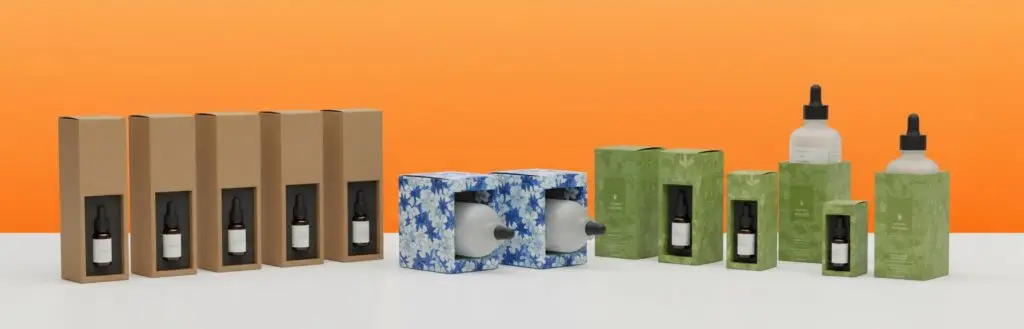
There are some tincture packings without inserts or dividers protecting the bottles. That may lead to breaking during transportation. Always stock protective cardboard or foam inserts to keep the bottle and hold it in place.
Adds a Professional Touch
Inserts make the unboxing experience better. Once the customer opens the box and finds the bottle to be well-settled in, it provides them with a high-end and secure experience.
9. Lack of Consideration for Sustainability
Green Packaging Wins
Most of the brands still use plastic coverings or non-recyclable items on their tincture boxes. This might not excite the eco-friendly consumers. Using recyclable, biodegradable, or compostable materials speaks volumes about world care.
Customers’ Perception
Green custom packaging is not only eco-friendly, but it is also beneficial to your brand image. Consumers now prefer those brands that use eco-friendly tincture boxes and show them that they care about the world.
10. Poor Information About the Product
Customers Want Information
The other mistake is that they left out the simple product information. What it is, how it’s to be used, and how they would benefit from it—all this must be made known to the customers, for not knowing leads to confusion and lowered trust levels.
Informative but Not Overwhelming
Keep it concise and straightforward. Use simple words that are easy to understand, along with icons for clarity: a dropper icon for tincture or a leaf for plant-based products.
11. Failure to Test the Design Before Production
Check Before You Print
Further, do not hurry to print the boxes without testing for proper size, correct placement of text, or shades of color. Always test-print a sample box before you commit to bulk printing.
Correct Mistakes Early
Test printing allows you to see exactly how your design will look in real life. That way, spelling mistakes, misalignments, or colour differences can be fixed before you need to spend money on the cost of bulk printing.
12. Leave the Shelf Impact Behind
Stand Out on the Shelf
Tinctures that are stocked on a shelf need your box to differentiate from the others. A flat, unimaginative design gets lost. Employ bold graphics, texture, or finishes such as embossing or foil stamping.
Balance Beauty and Clarity
But not so much so that your box is garish. Your design tips should be catching yet professional-looking and suitable for your product.
13. Without an Unboxing Experience
Unboxing Evokes Emotions
This can be very impactful when the customer unwraps the box. That said, if the box is hard to open or does not look expensive, it ruins the experience. Make the tincture packaging simple and nice to open.
Small Things Matter
Add-ons, like tabs that open smoothly and are printed on the inside, or thank-you letters, are great touches. Such little things make your customers really feel appreciated.
14. Printing Quality Is Bad
Low-Resolution Images Look Unprofessional
Low-quality images and flat prints can make your tincture box look low-class. Whenever possible, use high-resolution images and use skilled printing methods like offset or digital printing.
Finishing Provides Visual Cues
Add a touch of class to your box with a finishing coat of matte, gloss, or soft-touch varnish. Your logo can be further refined through foil stamping or embossing.
15. Blindness to Trends in the Market
Be Current
Packaging trends change frequently, and if your package looks dated, so does your product. Pay attention to emerging tincture packaging trends, such as clean lines or sustainable materials.
Fresh and Appropriate
That just means you don’t have to be like someone else, just be current. Update your packaging style every couple of years to keep your brand fresh and desirable.
16. Forgetting the Target Audience
Know Who You Design For
One of the greatest mistakes in packaging is not truly knowing who your audience is. For example, a health tincture packaging needs calm and natural colors, whereas an extra-high-capacity tincture goes for upscale and luxurious packaging.
Speak to Your Customer on an Emotional Level
Color, font, and texture need to speak directly to your customers. If your package speaks to people both physically and emotionally, there is a resulting loyalty and repeat business.
17. Too Much Text or Clutter
Less Is More
Too much text or heavy design elements clutters the box. Keep your message simple. Instead of long paragraphs, use icons, graphics, or bullets.
Breathing Space Is Essential
White space allows your design to be a pleasure to look at. It keeps customer attention on what’s most important — your brand and product.
18. Forgetting Digital Integration
Smart Packaging Is the Future
Most tincture businesses don’t update their products with new features like QR codes. These will link directly to your website, lab results, or video tutorials. It’s an easy way to engage with customers and earn trust.
Adds Professionalism
A QR code provides a high-tech, customer-centered look to your tincture label. It shows that your business cares about transparency.
19. Emulate the Competition
Be Original
It’s easy to copy another brand’s aesthetic, but it kills your brand identity. Your clients will know that as soon as they see it. Make something new reflecting your own personality.
Be Authentic
Use your own logo, color palette, and tone. Original designs attract more; they engage more with your clients.
20. Not Working with Professionals
Professional Help Makes a Difference
Some small brands try to manufacture the packaging boxes of their tinctures on their own. They may commit design or printing packaging errors. Employing professional designers and packaging experts saves time and yields better results.
Well Worth the Investment
A well-designed tincture box not only feels great but also performs better in protection and branding.
Conclusion: Design Smart, Grow Strong
Your tincture box is more than a box; it’s a silent salesman. Don’t get caught in these avoidable pitfalls and design your packaging so that it not only looks stunning, feels luxurious, and protects your product. Your customers are paying attention when you do. The perfect tincture box builds trust, grows sales, and gets you on top of the pack in a saturated market.
Don’t hurry, then, be creative, and think deeply. Your box is your story — let it be a beautiful one.