
Custom Display Tuck Box Packaging for Retail Branding: The Ultimate Strategic Guide to High-Impact Shelf Presentation
In the ultra-competitive retail landscape of today, packaging has evolved from a protective layer to becoming a silent salesperson. Custom Display Tuck Box Packaging is one of the most universal corporate retail packaging formats. It is a high-impact structure with visual efficiency. It fills the space between Custom Packaging of yore and point-of-sale display units, giving brands both product protection and shelf visibility.
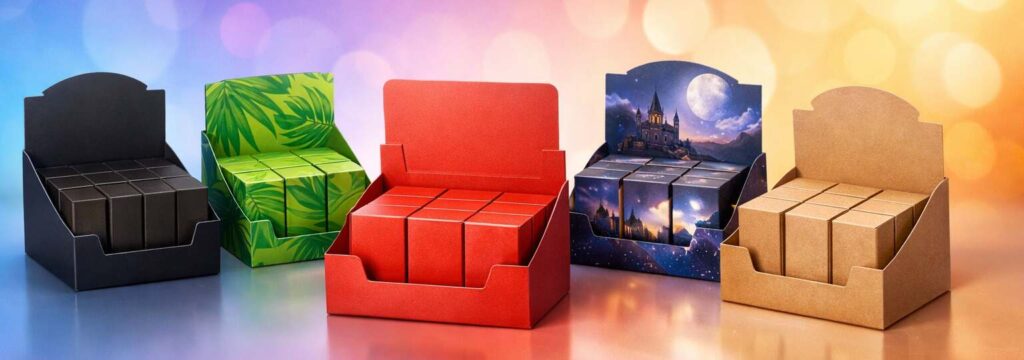
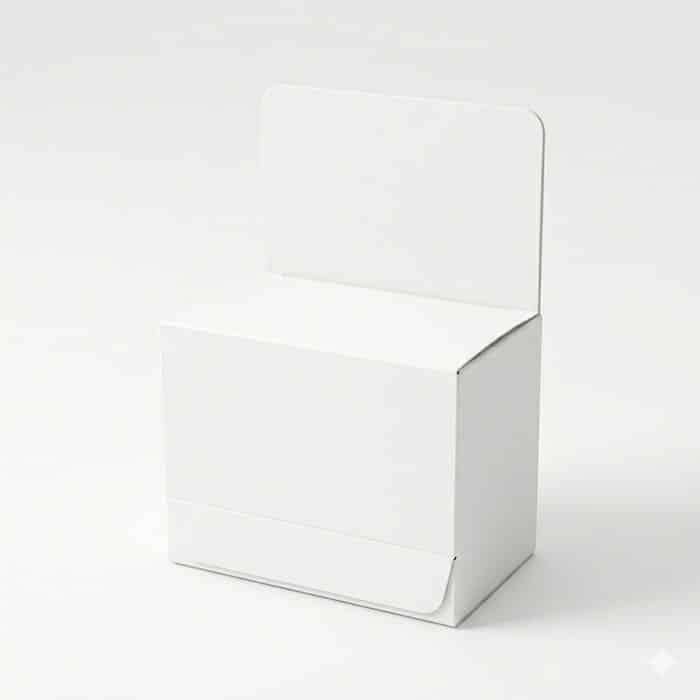
A Custom Display Tuck Box Packaging is purposefully designed to evolve from an enclosed packaging mechanism to a half-unfolded display mechanism. Once installed on retail shelves, countertops, or at checkout, it immediately displays the item in a highly visible, appealing way. This structural versatility enables risk mitigation, particularly in fast-moving consumer goods, cosmetics, small electronics, confectionery, pharmaceuticals, and promotional merchandise.
First impressions are the primary driver of retail success today. Consumer research studies repeatedly demonstrate that purchase decisions are often made in seconds following visual exposure. Custom Display Tuck Box Packaging that boosts visibility, allows neat stacking of products, and clearly communicates branding significantly increases the likelihood of a purchase. And that is exactly what this Custom Display Tuck Box Packaging format does best. It serves not only as a vessel, but also as a marketing tool.”
Another major benefit is its space efficiency. Retailers routinely adjust shelf space to maximise revenue per square foot. A Custom Display Tuck Box Packaging with as few additional display units as possible is highly preferred to maintain brand identity. Because this format has display functionality built into the box itself, retailers get easier stocking and reduced setup time.
From the structural side, the tuck mechanism (common top tuck, reverse tuck, & straight tuck) provides a secure closure for shipping. When opened, perforations or pre-designed tear panels transform the box into a display tray. The process streamlines work at the retail level and enables a more uniform presentation across several store locations.
This format also helps in amplifying brand storytelling. Quality printing and the use of colour, along with embossing, foil stamping, spot UV coating, and die-cut windows, all help brands differentiate visually. When customers can directly view the product through a thoughtful structure, that trust boosts — especially for categories like cosmetics or confectionery.
Compliance and safety considerations also play an important role. Custom Display Tuck Box Packaging for retail distribution must comply with safety and labelling standards. As an example, regulatory guidance from the U.S. Food & Drug Administration (FDA) explains requirements for the safety of food and cosmetics packaging materials.
At the same time, such Custom Display Tuck Box Packaging lends credibility to the brand while minimising compliance risks.
In conclusion, Custom Display Tuck Box Packaging for Retail Branding is a strategic amalgamation of design, marketing psychology, structural engineering and regulatory awareness. It allows brands to raise the product display bar, improve business economics, and maintain control over costs. We follow this with a detailed investigation into its structural anatomy, material choices, printing processes, sustainability considerations, and retail performance strategies.
A Custom Display Tuck Box Packaging Structural Anatomy
Before spending money on Custom Display Tuck Box Packaging for retail branding, it is crucial to know about the structural design. The success of this packaging format is largely a function of how well its mechanical elements are engineered. It isn’t ordinary folded paperboard — It is a deliberate structural framework made to protect, transform and present.
- Core Structural Components
Here are the key parts of a standard Custom Display Tuck Box Packaging:
Front Panel
This is the main branding real estate. It typically includes information such as the product name and logo, key selling points, regulatory information, and visual graphics. In many designs, this panel features a perforated area that tears away, turning the box into a display tray.
Back Panel
The back panel usually includes additional product details such as ingredients, usage instructions, barcodes, and compliance markings. It also affords structural reinforcement to help keep the box stiff.
Side Panels
These create depth and stability. Its width affects internal volume and height, as well as weight stacking strength. For display versions, side panels for visibility with the front section removed may include angle cuts.
Tuck Flaps
What makes this Packaging style is the tuck mechanism. There are several common variations:
- Straight Tuck End (STE) – The folding direction of the top and bottom flaps is the same.
- Reverse Tuck End (RTE) – Top and bottom flaps meet for the closure in opposing directions.
- Auto-Lock Bottom – Automatically locks together when put together, reinforced weight support with the pre-glued base.
For retail-heavy products, auto-lock bottoms are typically the better choice, as they improve load-bearing strength while still allowing for quick assembly.
Perforation Line
This is the transformative element. An exacting perforated tear line gives way to a preportioned portion of the box that cleanly separates, converting the outer packaging into a counter-ready display. Precision die-cutting is vital; poor perforation design can ruin the branding aesthetic.
- Structural Engineering Considerations
A Custom Display Tuck Box Packaging has three functional demands that need to be balanced:
- Transportation durability
- Shelf transformation efficiency
- Visual merchandising effectiveness
Manufacturers accomplish this using die-line software to generate precise fold lines, glue tabs as well as points that distribute stress. Structural testing typically involves evaluations of compression resistance and stacking performance — particularly if cartons are shipped in corrugated master boxes.
GSM, or point thickness — meaning material thickness — has a big impact on rigidity. For lightweight products, 250–300 GSM paperboard can be sufficient, while heavier retailable items may need reinforced SBS (Solid Bleached Sulfate) on the order of 350–400 GSM.
- Display Conversion Mechanism
Conversion Design is the most strategic aspect of Custom Display Tuck Box Packaging for Retail Branding. When retailers flip the perforated panel up:
- The front rides lower.
- Products are split exposure.
- The remaining structure has visible branding.
- The unit is shelf-ready upon setup.
Advanced designs feature pre-elevated display fronts, stepped interiors or tiered placement to enhance line-of-sight visibility.
That conversion needs to be done without compromising structural integrity. Must maintain support for internal load in the transformed state.
- Load Distribution and Stacking Strength
Vertical stacking of retail packaging is ubiquitous during transport. The compression test verifies that the top panel of the carton can support the weight of cartons placed on top of it without collapsing. Engineers consider:
- Flute support (in the case of laminated bodies)
- Internal dividers
- Glue seam positioning
- Edge crush resistance
I suggest that a weak glue seam is a common structural failure point. This gives the seam the durability it requires under pressure and humidity, while ensuring a high-quality adhesive application.
- Ergonomics and Retail Efficiency
Staff at smaller retail outlets prefer packaging that minimises handling. A well-designed Custom Display Tuck Box Packaging:
- Opens in one motion
- No scissors-needed convertor
- Sturdy on flat surfaces
- Keeps products focused
It lowers operational friction and helps drive store-level consistency.
It is the structural anatomy that turns an ordinary carton into a retail performance tool. When designed properly, it also protects logistics and increases visibility at the point of sale — all in a single packaging unit.
Explore the Robust Materials for Custom Display Tuck Box Packaging in Retail Branding
For the Custom Display Tuck Box Packaging of Retail Branding, material selection is one of the most important decisions. Choosing the right paperboard affects more than durability — it influences print quality, retail appearance, perceived sustainability, compliance, and overall cost-effectiveness.
A Custom Display Tuck Box Packaging has to do its job in three different environments:
- During shipping and handling
- On the retail shelf
- In the consumer’s hands
In each stage, the packaging material faces different stress demands.
- Solid Bleached Sulfate (SBS)
Solid Bleached Sulphate (SBS): SBS is a high-end paperboard that is produced from bleached virgin pulp. It offers:
- Smooth, bright white surface
- Excellent print clarity
- Strong structural integrity
- Food-safe compatibility (when coated appropriately)
This made SBS a popular choice in cosmetics, pharmaceuticals, confectionery and personal care packaging due to its excellent print performance. When brands desire colors that pop, detailed graphics, or rich finishes such as foil stamping and embossing, SBS is the go-to substrate.
In premium retail situations, SBS increases perceived product value — particularly when matched with a matte lamination or soft-touch finish.
- Coated Unbleached Kraft (CUK)
For example, the CUK itself has a dark brown natural wood interior and a white-coated exterior surface. It is:
- In many instances, stronger than SBS
- More tear-resistant
- Suitable for heavier products
Many brands targeting consumers who care about sustainability are opting for kraft-based materials for their natural look. It communicates sustainability and authenticity.
CUK is also suitable for retail display, especially for auto-lock base structures of top-heavy products that require more support from the bottom.
- Folding Box Board (FBB)
FBB has multiple layers of fibres, generally a layer of mechanical pulp in the middle, with chemical pulp on the two outer layers. It provides:
- Lightweight strength
- Cost efficiency
- Good printability
FBB finds wide application in mid-range retail packaging, where a balance between quality and cost is to be achieved. It performs well for snack foods, health care items, and small electronics accessories.
- Recycled Paperboard
Sustainability is no longer optional. The use of recycled-content boards by many brands is one way to minimise their environmental footprint.
Recycled paperboard:
- Reduces raw material consumption
- Supports circular economy goals
- Appeals to environmentally conscious buyers
On the downside, boards made from recycled fibre may be less bright and a bit less strong than boards made from virgin fibre. Surface performance characteristics can be improved by proper coating and finishing.
Material recovery and recycling standards are guided by environmental sustainability frameworks such as those espoused by the U.S. Environmental Protection Agency (EPA).
Using the right material helps not only with following sustainability guidelines but also with building a credible brand and ensuring regulatory compliance.
- GSM and Thickness Selection
Material thickness directly influences performance.
GSM ranges for Custom Display Tuck Box Packaging:
- 250–300 GSM → Light retail products
- 300-350 GSM → Normal consumer goods
- 350–400 GSM → More substantial or multi-package presentation packaging
Activating adjustable GSM requires guessing, which can lead to bowed panels or weak shelf presentation and too low a pressure tolerance that leads to collapse when stacked.
- Coatings and Surface Treatments
Material selection is also based upon finishing compatibility:
- Gloss coating enhances colour vibrancy
- Matte lamination gives it a premium feel
- Aqueous coating improves scratch resistance
- Spot highlight effects are added with UV coating
Packaging used in contact with food must meet our standards for safe materials. Regulatory recommendations, such as those from the U.S. Food & Drug Administration (FDA), specify acceptable materials for food and cosmetic packaging.
Compliance guarantees safety and protects brands from liability.
- Corrugated Reinforcement (Optional)
For Custom Display Tuck Box Packaging with large displays or heavy retail goods, manufacturers occasionally laminate paperboard with layers of micro-flute corrugated. It improves compressive strength and yields good-quality prints.
This hybrid architecture works great for countertop display units that hold lots of small pieces.
- Strategic Material Selection
The best material is not the most expensive — it’s the one that fits:
- Product weight
- Retail environment
- Branding goals
- Sustainability positioning
- Budget constraints
Retail success is largely determined by material engineering. Bad choices lead to sagging displays, uninspiring print output and decreased shelf appeal.
Selected strategically, material becomes a competitive advantage — bringing durability, visual presence and consumer trust together.
Printing Techniques and Finishing Enhancements
Custom Display Tuck Box Packaging for Retail Branding is all about Printing and finishing. The box may be structurally sound, but if visual execution misses the mark on clarity, contrast, and emotional performance on-shelf, performance suffers.
In retail, packaging can take 3–7 seconds to capture attention. Colour accuracy, typography sharpness, surface texture and finishing effects must work together strategically.
- Offset Printing (Lithographic Printing)
Offset printing is still the industry standard for high-volume production. It offers:
- Fantastic colour accuracy
- Smooth gradients
- Reproducing the images with high resolution
- Issue & definitely cost-efficient for bulk runs
Offset printing achieves brand consistency in thousands of units for retail distribution on a massive scale. The use of Pantone colours allows companies to keep tight brand identity guidelines in check, which is especially important across multiple products sold in different nations.
Offset is great if you need consistency, detail, and robust shelf appeal.
- Digital Printing
The following are the types that suit best for digital printing:
- Short production runs
- Prototype testing
- Seasonal promotions
- Would you like to know the different types of printing?
It does not require printing plates, saving setup time. It is more costly per unit at scale but offers flexibility — a valuable asset for limited-edition retail campaigns.
For startups entering retail markets, investing in professional-quality products with low upfront costs might be done through digital printing.
- Flexographic Printing
Flexo printing is most commonly used on corrugated or kraft-based materials. It is:
- Fast
- Efficient on simple designs
- Cheaper for high-frequency production
But it will likely not attain the same level of photographic detail as offset. More commonly used in shipping cartons, but used in reinforced Custom Display Tuck Box Packaging structures.
- Finishing Techniques That Add Retail Punch
Printing is the bedrock — finishing delivers emotion, a tactile value.
Matte Lamination
Creates a smooth, soft appearance. Commonly used in the cosmetics and luxury goods industries. It lowers glare under store lighting.
Gloss Lamination
Enhances brightness and colour depth. Makes graphics stand out more from afar.
Spot UV Coating
Applies a glossy layer to areas (like logos or product images). This difference creates a visual focus and enhances shelf differentiation.
Foil Stamping
Metal foil (gold, silver, holographic) adds a luxe appeal. Frequently used in high-end branding.
Embossing & Debossing
Lifts or sinks design elements to create tactile engagement. Touch-based interaction increases memorability.
- Die-Cut Windows for Product Visibility
For this reason, a strategic die-cut window lets consumers see the product up close and in person. Transparency also builds consumer trust, particularly in beauty, confectionery and personal care sectors.
That said, a window placement cannot compromise structural integrity. The cut points are reinforced for stability after the perforated front panel is removed.
- Ink Safety and Regulatory Compliance
Safety is an important issue for print inks and coatings, especially those used in food and pharmaceutical products. The U.S. Food & Drug Administration (FDA) regulations provide guidance on acceptable materials for packaging that may come into indirect contact with consumables.
By using compliant inks, brands can protect consumers and themselves from potential legal risk.
- Labelling Accuracy and Legal Considerations
Retail packages should contain accurate label information, ingredient lists (if applicable), net quantity statements and manufacturer information. Misleading design elements can also violate consumer protection regulations enforced by the Federal Trade Commission (FTC).
Correct print output is not merely a design will; it can also be a matter of statutory compliance.
- Colour Psychology in Retail Environments
Colour influences perception subconsciously:
- Red promotes urgency
- Blue conveys trust
- Green indicates sustainability
- Black implies luxury
- Yellow grabs fast attention
This is a tactical approach because colours carefully selected by having the target group in mind result in higher conversion rates. On crowded shelves, vibrant colour pairings beat muted palettes in retail lighting any day.
Visual Merchandising and Retail Shelf Optimisation
Because Custom Display Tuck Box Packaging for Retail Branding only works if it delivers on the shelf, no matter how well designed or printed it is. Retail is a battlefield of visual clutter. There are hundreds of competing products vying for limited consumer attention. Shelf location, angles of view, illumination and his density products all influence purchase decisions.
It is the understanding of visual merchandising strategy that distinguishes average packaging from impactful retail packaging.
- The 3–Second Attention Window
Studies of consumer behavior consistently indicate shoppers fly past shelves. In mere seconds, they are unconsciously filtering products based on:
- Color contrast
- Brand familiarity
- Shape differentiation
- Perceived organization
In this, a Custom Display Tuck Box Packaging has a structural advantage. Display mode neatly breaks into multiple units, increasing visual mass. This “blocking effect” not only bolsters brand awareness but also enhances shelf superiority.
What could’ve been one more tucked-away carton becomes a little branded area on the shelf.
- Eye-Level Positioning Strategy
Retail psychology usually comes down to one simple rule:
Eye level = buy level.
It is best practice to position products between waist and eye height, as this height receives the most engagement. Shelf placement is never compromised, especially in lower shelf locations; angled or stepped product arrangements create additional vertical visibility when a Custom Display Tuck Box Packaging is designed.
Structural elevation via internal platforms or an angled tear-front design can overcome less-than-ideal shelf locations.
- Shelf Efficiency and Retailer Preference
Retailers prefer packaging that:
- Reduces stocking time
- Requires no additional display units
- Maintains an organised presentation
- Minimises shelf clutter
A Custom Display Tuck Box Packaging also minimises operational friction as it turns directly into a ready-to-go tray. Store employees simply open, tear along the perforation and put it in place. It’s all tied to the same merchandising setup, no separate.
This efficiency makes retailers more likely to order the product again — something many brands don’t consider.
- The Power of Facing Count
“Facing” is the number of sides of the product available to customers. More product-facing has higher perceived availability and brand power.
Custom Display Tuck Box Packaging naturally have a higher facing count, because they are displayed like this:
- Multiple products are exposed simultaneously
- Logos continue to be visible on the tray structure
- The unit takes a unit of shelf space
A well-designed tray with 6–12 visible units gives you much better visual authority than single-boxed items placed on various shelves.
- Visual Hierarchy and Message Clarity
Retail shelves are visually crowded. A clear hierarchy prevents confusion.
The ultimate design criteria for a Custom Display Tuck Box Packaging is:
- Brand name (largest visual element)
- Product type
- Key benefit or claim
- Supporting details
Overcrowded graphics reduce comprehension speed. Clear typography and clever use of negative space aid in legibility under retail lighting conditions.
- Lighting and Reflectivity Considerations
Retailers employ bright overhead lighting. Gloss finishes bounce light, which can magnify vibrancy or produce glare. Matte finishes minimise glare but can appear flat from afar.
The choice depends on:
- Type of store (luxury boutique versus supermarket)
- Shelf lighting angle
- Competitive color landscape
Testing under simulated retail conditions will save little but enable mass production without costly design errors.
- Consumer Trust and Transparency
It’s no secret that shoppers are more likely to buy when they feel sure about what they’re purchasing. Partial exposure or window cut-outs provide for transparency. This is particularly compelling in segments such as cosmetics, confectionery and personal care.
The clarity of regulatory labelling is likewise vital. Wang also pointed out that claims on packaging must be accurate and not misleading according to consumer protection standards enforced by the FTC (Federal Trade Commission).
- Competitive Shelf Differentiation
If every competitor has rectangular packaging with similar colour palettes, structural variation becomes what differentiates resorts.
Custom Display Tuck Box Packaging can include:
- Curved front tear lines
- Angled display cuts
- Tiered interior platforms
- Side panel extensions
Such subtle structural tweaks enhance uniqueness without significantly raising cost.
- Retail Performance Is Measurable
Brands do A/B testing in-store a lot (e.g.
- Version A: Standard Custom Display Tuck Box Packaging
- Version B: Custom Display Tuck Box Packaging
Results often reveal higher sell-through when display-ready packaging is utilised, as visibility and access increase at once.
Packaging in retail environments is part engineering, part psychology, part strategy. When shelf optimisation is baked into the design process, Custom Display Tuck Box Packaging for Retail Branding can become a revenue driver rather than just a packaging solution.
Sustainable and Eco-Friendly Packaging Solutions
Sustainability is no longer a trend but a strategic imperative. Custom Display Tuck Box Packaging for Retail Branding in modern retail environments are also required to maximise visibility, durability, and environmental responsibility. Brands that turn a blind eye to sustainability risk losing their credibility — and can least afford to do so among younger consumers who actively consider the environmental impact of their purchasing decisions.
Let’s take a look at what sustainable display tuck-box packaging is all about.
- Recyclable Paperboard Materials
Custom Display Tuck Box Packaging is primarily made of paperboard, which is already a huge sustainability win over plastic packaging.
Sustainable options include:
- FSC-certified virgin fibre board
- Post-consumer recycled paperboard
- Kraft-based natural boards
- Lightweight high-strength folding box board
It minimises landfill accumulation and, when combined with closed material systems, joins the push for a circular economy.
Agencies such as the U.S. Environmental Protection Agency (EPA) support government programs that encourage recycling and material recovery.
Closely matching the packaging material to known recycling systems makes it easier for brands to build trust and align with compliance.
- Material Reduction via Structural Efficiency
Sustainability goes beyond “recyclable” labels — it involves intelligent engineering.
Custom Display Tuck Box Packaging designs for displays lower material usage by:
- Optimising die-line layouts
- Eliminating unnecessary inserts
- Single-layer reinforcements with auto-lock bottoms
- Designing compact shipping dimensions
A reduction in paperboard thickness, even a minor one, when applied at a large production scale, can save considerable carbon footprint and shipping weight.
Structural efficiency = environmental efficiency.
- Eco-Friendly Inks and Coatings
Conventional petroleum-based inks may also contain volatile organic compounds (VOCs). Sustainable alternatives include:
- Soy-based inks
- Water-based coatings
- Aqueous varnishes
- UV-curable low-emission coatings
These alternatives lower the harmful emissions during printing and improve recyclability.
Coatings still need to be safe for food or cosmetic use, however. The U.S. Food & Drug Administration (FDA) guidance states that packaging materials comply with health regulations.
Safety compliance can never be compromised in pursuit of sustainable choices.
- Avoiding Greenwashing
Environmental claims must be truthful and substantiated. Statements such as:
- “100% Recyclable”
- “Biodegradable”
- “Eco-Friendly”
should be backed up with documented facts.
The Federal Trade Commission has issued guidance on environmental marketing claims to prevent industry members from using such claims deceptively in product labelling.
False green claims can lead to fines and damage your brand. True transparency fosters long-term consumer trust.
- Consumer Psychology and Sustainability
Studies are clear: consumers are more likely to buy from environmentally responsible brands. Sustainable packaging:
- Increases brand perception value
- Encourages repeat purchases
- Enhances corporate social responsibility image
- Attracts environmentally conscious demographics
Sustainability messaging often is reinforced by minimalist design aesthetics. Natural kraft textures, no-nonsense typefaces, and muted colour palettes convey eco-awareness powerfully.
- Designing for End-of-Life Simplicity
The easiest sustainable packaging is that which the consumer can dispose of correctly without a doubt.
Best practices include:
- Clear recycling symbols
- Minimal mixed-material components
- Plastic window films—avoid them if possible
- Easy separation of materials
Mono-material paperboard design enhances recyclability rates.
- Sustainability as a Competitive Advantage
Among retailers, suppliers that can demonstrate sustainability efforts are increasingly preferred. Structural innovation matched with eco-friendly materials in Custom Display Tuck Box Packaging cringe:
- Improve retailer approval rates
- Reduce regulatory risk
- Strengthen brand loyalty
- Support ESG reporting goals
And when done strategically, sustainability can be more than mere compliance — it can be a source of differentiation.
Custom Display Tuck Box Packaging for Retail Branding should also be eco-friendly in today’s market. Brands that design with responsibility in mind set themselves up for growth over the long haul.
The Case for Customisation, Product by Product
Custom Display Tuck Box Packaging for Retail Branding is adaptable, a key advantage. The same structural building block can be tailored to compete in entirely different industries — luxury cosmetics and discount snack foods, for example.
But the key here is that customisation is more than just different graphics printed. It’s about ensuring that the structure, material, visibility and messaging all align with the buying behavior of that particular industry.
Let’s parse this by sector.
- Cosmetics and Beauty Products
Makeup is a very visual, emotional purchase. Common emphasis on Custom Display Tuck Box Packaging in this category:
- Premium matte lamination
- Spot UV or foil stamping
- Die-cut windows for product visibility
- Light pastel or high-end colour palettes
- Minimalist typography
Since cosmetic labelling requires ingredient lists and, if applicable, warnings, sufficient back-panel real estate is key. Guidance on cosmetic labelling requirements can be found in the U.S. Food & Drug Administration (FDA) guidance.
And for beauty brands, tactile finishes (like embossing or soft-touch coating) elevate perceived value and support higher price points.
- Food and Confectionery Products
For snacks, chocolates, and small packaged foods, Custom Display Tuck Box Packaging serve as shipping containers and countertop displays.
Customisation often includes:
- Bright, appetite-stimulating colours
- Clear product windows
- High-gloss finishes
- Well-defined structural bottoms to keep the weight.
Food contact material standard for food packaging. The FDA also provides guidance on the safety of substances used in food packaging.
One focus in this sector is structural durability, as multi-unit display trays can be heavy.
- Pharmaceutical and Healthcare Products
Pharmaceutical packaging requires regulatory precision and clarity.
Customisation priorities include:
- Clear typography
- Legible dosage instructions
- Tamper-evident tuck mechanisms
- Minimal decorative distraction
- Place for deduce marks and compliance warnings
Trust and credibility are more important than eye-popping design. Clean white backgrounds and blue or green tones are by far the most prevalent as they hint at safety and reliability.
That is, accurate labelling and non-deceptive claims are very important under consumer protection standards overseen by the Federal Trade Commission (FTC).
In this realm, function has always prevailed over visual drama.
- Electronics and Accessories
The small electronics Custom Display Tuck Box Packaging formats lend themselves very well to items such as cables, earbuds, batteries, and phone accessories.
Customisation features often include:
- Reinforced auto-lock bottoms
- Hanging tabs (when peg display is needed)
- Die-cut viewing windows
- High-contrast branding
And since electronics are often impulse buys next to registers, big typography and quick-benefit messaging drives conversion.
- Promotional and Seasonal Products
Custom Display Tuck Box Packaging is used to quickly create retail impact for limited-edition products, holiday items and promotional bundles.
These often feature:
- Digital printing for short runs
- Thematic graphics
- Limited-time messaging
- High-visibility colors
Digital printing helps overcome the high setup costs that can be a barrier with traditional methods, especially when production quantities are smaller.
- Eco-Conscious Brands
Sustainable brands may customise by:
- Using kraft board
- Minimal ink coverage
- Earth-tone color palettes
- Prominent recycling instructions
Environmental marketing claims need to be accurate and verifiable. The U.S. Environmental Protection Agency (EPA) advocates for sustainable material management principles.
True sustainability design builds deep brand sustainability.
Why Industry-Specific Customisation Matters
The plain fact is, a cosmetic display design wouldn’t work in a pharma aisle. A shrill snack-box aesthetic would be seen as unprofessional in health care.
Effective customisation considers:
- Target customer psychology
- Retail environment
- Product weight and fragility
- Regulatory requirements
- Brand positioning
Custom Display Tuck Box Packaging for Retail Branding becomes industry-specific rather than generic when properly tailored, and that optimisation can subsequently improve sales performance.
Cost Breakdown and Mass Production Factors
Although Custom Display Tuck Box Packaging for Retail Brands provide great marketing and structural advantages, managing costs is crucial. Brands have to find the right balance among quality, aesthetics, regulatory compliance, and sustainability within the constraints of their budget and production scalability.
- Material Costs
The unit cost is largely dependent on the paperboard, coatings, and inks chosen. Key factors include:
- GSM (grams per square meter) and type of paperboard: Substrates with higher GSM or solid bleached sulfate, for example, are priced higher than recycled krafts and folding box board.
- So even if you send a proof for 50 pages, plans for 18 pages, and GIF or rendering files.
- Sustainable materials: FSC-certified and post-consumer-recycled boards come at a premium.
Cost planning must include total material efficiency, not just unit cost. They are designed to use minimal paper, thereby reducing the per-unit printing cost.
- Printing and Finishing Expenses
Printing technology has an impact on cost and flexibility at the same time:
- Offset printing: Best fit for higher quantities; expensive setup but cheaper per piece.
- Digital printing: Great for short runs, prototypes or seasonal campaigns; a little more costly per unit.
- Special finishes: Foil stamping, embossing, and spot UV will add 10–25% to the unit cost, depending on complexity.
Typically, brands assess return on investment (ROI) in terms of improved retail performance relative to the cost to complete. If premium finishes lead to higher conversion rates, then they can be justified.
- Tooling and Die-Cut Costs
Precision die-cutting is required for Custom Display Tuck Box Packaging. Initial tooling costs include:
- Die creation
- Plate preparation (for offset)
- Test runs
Tooling is a one-time cost, but it is more meaningful on short runs. Digital printing lowers this initial investment; however, compared to long runs, it raises the per-unit price. Economies of scale are important: the bigger the batch, the smaller the relative tooling cost per box.
- Minimum Order Quantity (MOQ) Considerations
This is because manufacturers typically need minimum order quantities in place to cover the costs of setting everything up. Factors affecting MOQ:
- Board type
- Printing technique
- Finishing complexity
- Custom structural design
Brands need to know the forecasted demand precisely so as not to overstock and still be able to take advantage of any available volume discounts.
- Shipping and Storage Costs
Custom Display Tuck Box Packaging can affect logistics costs because:
- The dimensions of the box: Bigger boxes raise the volume during shipping.
- Weight: Bulkier boards bump up shipping costs.
- Stackability: Good boxes stack well on the pallet, increasing per-square-foot shipping efficiency.
- Efficient but compact display function design minimises long-term logistics costs.
- Cost-Benefit Analysis of Retail Impact
Securing investment in high-end Custom Display Tuck Box Packaging correlates with better retail performance. Considerations include:
- More prominent shelf presence → increased sell-through.
- Better brand perception → supports premium pricing.
- Easier stocking → lowers labour cost for merchants.
- Often, a marginal increase in cost per unit is worth it in revenue share and retailer loyalty.
- Balancing Budget and Branding Goals
Grown-up brands have a packaging strategy based on tiered cost models:
- Economy Tier: FBB board, very lightweight coatings, short-run digital print
- Standard Tier: SBS board, offset printing, standard lamination
- Premium Tier: SBS / CUK board, speciality finishes, embossing and foils, sustainable materials
Choosing the correct tier is based on one’s target market, product category, and long-term brand strategy.
- Production Scalability
Some pointers for the manufacturers when scaling for a vast retail chain are as follows:
- Uniform quality of print run with thousands of pieces
- Repeatable folding and die-cut accuracy
- Structural integrity quality control checks
Bulk manufacturing has stringent QC to keep the product consistent from bottle to shelf.
By critically assessing materials, printing, finishing, tooling and logistics costs, brands can deliver Custom Display Tuck Box Packaging for Retail Branding that meets the collision of one to four at a cost they can afford. Strategic planning not only gives packaging shelf-appeal, but also measurable ROI.
End with a perfect finish — now we put everything together, showing that this packaging isn’t merely a utility but an actual revenue generator.
Custom Display Tuck Box Packaging for Retail Branding
The primary objective of Custom Display Tuck Box Packaging for Retail Branding is to intensify product sell-through, enhance brand visibility, and fortify consumer trust. This is where every discussion we’ve had about structure, materials, print runs, shelf-optimisation, compliance, sustainability and personalisation comes into play.
- Shelf Visibility Drives Impulse Purchases
According to retail studies, more than 70% of consumer purchase decisions are made at the point of sale. Custom Display Tuck Box Packaging transform ordinary packaging into a visually striking display piece, enhancing:
- Product facing count
- Brand recognition
- Consumer interaction
Easier-to-view, reach, and touch products attract attention and entice impulse purchases.
- Structural Design Enhances Usability
The unique tuck mechanism and perforated front panels enable:
- Easy transformation into display mode
- Stable multi-unit presentation
- Reduced retailer handling time
Streamlined design means better shelf organisation, which retailers appreciate — upping the potential for repeat orders.
- Quality Printing and Finishing Strengthen Branding
High-quality printing and finishing techniques:
- Communicate brand value
- Differentiate products from competitors
- Increase perceived product quality
Consumers are more likely to trust a product — and buy it — when the overall presentation is premium.
- Compliance and Transparency Build Trust
Adhering to regulatory standards, including:
- FTC labelling guidelines
- FDA packaging safety standards
- EPA sustainability recommendations
promotes consumer safety and strengthens brand trustworthiness. Repeat customers and familiarity on their end arise with trustworthy packaging.
- Sustainability Influences Buying Behavior
Environment-friendly materials and recyclable designs have become essential. Consumers are looking for brands that take care of the environment. Sustainable Custom Display Tuck Box Packaging communicate:
- Corporate social responsibility
- Authentic eco-friendly practices
- Commitment to reducing environmental impact
This helps you connect more deeply with conscious buyers and charge higher prices.
- Industry-Specific Customization Optimizes Engagement
Design, structure and messaging specific to certain industries — cosmetics, food, pharmaceuticals, electronics or promotional products ensures that:
- Consumer expectations are met
- Retail shelf performance is maximised
- They have product messaging that is clear and impactful
- Plain packaging does not deliver the same conversion rates.
- Balanced Cost and Production Efficiency
Custom Display Tuck Box Packaging designed strategically strike a balance between cost, quality and scalability:
- Optimised die-lines reduce material waste
- Which prints are the most important and least costly?
- Quality control measures in bulk manufacturing
The balance helps achieve the maximum ROI alongside a premium retail presentation.
Conclusion
Custom Display Tuck Box Packaging for Retail Branding is not just a pack; rather, it is a multi-dimensional marketing tool. Making structural innovation, high-quality materials, premium printing (not just for aesthetics), sustainability, and regulatory compliance part of a holistic approach.
When done correctly, it:
- Attracts attention in seconds
- Strengthens brand perception
- Reduces retailer friction
- Supports sustainability initiatives
- Drives measurable retail sales
In the era of retail, choosing Custom Display Tuck Box Packaging means you are investing in branding strategy and long-term profitability.
Q&A Section
Q1: Which products benefit most from Custom Display Tuck Box Packaging?
Cosmetics, confectionery, pharmaceuticals, small electronics and promotional items benefit the most due to visibility, shelf-ready display and tactile engagement.
Q2: How do Custom Display Tuck Box Packaging support sustainability initiatives?
Using CPR (circular paperboard) material, soy-based inks, minimal materials and clear recycling instructions can help brands lower their environmental impact and attract eco-conscious consumers.
Q3: Are there any regulatory risks with Custom Display Tuck Box Packaging?
Yes. Packaging is subject to labelling laws (FTC), food and cosmetic contact standards (FDA) and environmental claims (EPA). Read this article and more in our Snowflake on-demand library.
Q4: What is the cost implication of customisation?
Customisations add to design and tooling costs, but can lead to improved sell-through at retail, a better image for your brand, and enhanced consumer attachment (all of which help mitigate the cost of an initial investment).