
FDA-Compliant Tincture Packaging Checklist for Every Brand
Safe FDA tincture packaging matters for every brand in the market. Good packaging protects the product and also follows important safety rules. These rules come from the Food and Drug Administration (FDA). The FDA sets clear standards for product labeling rules, safety, material quality, and packaging structure.
Understanding FDA Compliance for Tincture Packaging
What FDA Compliance Means
FDA compliance means the packaging follows all safety rules. The product must be labeled correctly. The box must use safe materials. The bottle must protect the tincture from damage, leaks, or contamination.
FDA compliance builds trust. Clear information helps customers understand the product. Safe packaging also protects the brand from legal issues and warnings.
Why Tincture Packaging Needs FDA Guidelines
Tinctures usually come in small bottles with droppers. These products may contain herbs, oils, or extracts. Some tinctures fall under dietary supplement rules, while others fall under cosmetic, homeopathic, or general wellness rules.
No matter the category, packaging must include:
Clear labels
Correct ingredients
Accurate amounts
Safety warnings
No false claims
Safe materials
This checklist covers all these points in simple steps.
FDA Tincture Packaging Checklist
This section lists every rule in a simple format. Each point is explained in clear, easy language. This checklist works for tincture bottles, droppers, and custom tincture boxes.
Ingredient List Requirement
Clear Ingredient Panel
Every tincture box and bottle must include all ingredients. This list explains what the product contains.
Correct Order
Ingredients must appear in descending order. The largest amount comes first. The smallest amount comes last.
Common Names
Ingredients must use regular, easy-to-understand names. Chemical names can be added but common names must appear clearly.
Identity Statement on Front Panel
Product Type
The front label must show the type of product. Examples:
“Herbal tincture”
“Elderberry extract”
“Lavender oil tincture”
Clear Purpose
The identity statement explains what the item is, not what it cures. No health or disease claims can appear.
Net Quantity of Contents
Exact Volume
The front panel must show the full product amount. Most tinctures include:
30 ml
60 ml
15 ml
Proper Units
FDA requires volume in milliliters (ml). Some brands also add fluid ounces (fl oz), which is allowed.
Supplement Facts Panel (If Product Is a Dietary Supplement)
If the tincture is sold as a dietary supplement, the packaging must include:
Serving size
Servings per container
Active ingredients
Daily values (if available)
Inactive ingredients
Supplement Facts must follow a standard FDA layout.
Drug Facts Panel (If Product Is a Homeopathic or OTC Item)
Some tinctures fall under homeopathic guidelines. These products need:
Drug Facts panel
Active ingredients
Purpose
Directions
Warnings
The FDA has inflexible regulations concerning this structure. None of the panels should be absent.
Business Information Requirement
Company Name
The label must include the name of the company or facility responsible.
Address
The packaging must provide a full address or a clear website link with contact details.
Country of Origin
If the product is imported, packaging shall indicate the country of origin.
Allergen Statement (If Applicable)
Some tinctures contain potential allergens such as:
Soy
Nuts
Coconut
Wheat
If any allergen is present, the packaging must list it in a clear section.
Warning Statements
FDA requires warnings for safety. Common warnings include:
“Keep out of reach of children.”
“For external use only” – for cosmetic tinctures.
“Consult a healthcare professional before use” – dietary supplements.
Warnings should be readable and appear under a bold heading.
Packaging Material Requirements
Food-Safe Material
Tincture bottles must use food-grade materials. These materials ensure nothing harmful mixes with the product. Examples include:
Glass
PET plastic
Amber glass (protects from sunlight)
Boxes must also use safe inks and coatings.
Leak-Proof Structure
Droppers and caps must not leak. A tight seal protects the product from air, bacteria, and moisture.
Leak-proof includes:
Secure dropper
Tight neck finish
High-quality cap
UV Protection for Sensitive Oils
Some tinctures contain oils that break down in sunlight. FDA does not force UV bottles, but this step keeps the product safe longer. Amber bottles or UV-coated glass are popular.
Tamper-Evident Seal
Every tincture bottle should show if the package has been opened. This feature helps customers trust the product. The following are some common tamper seals:
Shrink bands
Frangible caps
Safety rings
Child-Resistant Caps (Where Applicable)
If the tincture contains strong oils or alcohol, child-resistant caps protect families from accidents. Both the FDA and the CPSC have strict rules concerning child-resistant closures.
Label Design Rules for CBD Packaging Compliance
Font Size and Visibility
The FDA requires clear text. The letters cannot be too small. The font must be easy to read. There must be enough contrast between text and background.
No False Medical Claims
The custom packaging can’t promise cures or treatments. For example, the label can’t say:
“Cures anxiety”
“Treats Cancer”
“Stops pain instantly”
This can invite FDA warnings.
Accurate Information Only
Any information included must be factual. No guessing can be present on the label. Examples:
Exact amount
Exact ingredients
Exact serving size
Real benefits – general wellness only
Adequate Placement of Panels
The FDA divides the label into:
Principal Display Panel (PDP)
Information Panel
Side Panels
Each section will give certain information.
Shipping and Storage Policies
Safe Shipping Boxes
Tincture packaging must survive shipping. Boxes must protect against:
Rough handling
High temperatures
Humidity
Cracks
Strong mailer boxes protect the content.
Protective Inserts
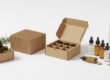
Foam inserts, cardboard holders, or pulp trays keep the bottle in place. Inserts reduce breakage during delivery.
Storage Conditions
Packaging should mention the best way to store the tincture. Common statements include:
“Store in a cool dry place.”
“Avoid direct sunlight.”
These notes keep the product fresh.
Sustainable Options for FDA-Compliant Tincture Packaging
Green Materials
Brands can utilize:
Kraft paper
Recyclable cardboard
Soy-based inks
Reusable glass bottles
Ecopackaging reduces waste and protects the environment.
Minimalist Package Design
A simple box with clean design improves brand quality. Minimal designs also use fewer materials, which supports sustainability.
Reusable Bottles
Therefore, such glass bottles can be well recycled, thus minimizing environmental impacts.
Tincture Product Lab Testing Requirements
Impurity Tests
Tests many laboratories for:
Microorganisms
Metals
Impurities
These tests protect the consumer against unsafe substances.
Potency Tests
Tinctures must show accurate strength. Potency testing confirms the exact amount of active ingredients.
Stability Tests
Stability tests show how long the product stays fresh. Results help determine the expiration date.
FDA-Approved Claims vs. Non-Approved Claims
Admissible General Health Claims
Some claims are allowed, such as:
“Supports relaxation.”
“Helps keep calm.”
“Supports General Wellness.”
These statements are safe and approved.
Claims That Cannot Be Made
No claim may be made to imply a cure. Examples of illegal statements:
“Cures disease.”
“Stops depression.”
“Treats infection.”
A product will also be removed based on making false claims.
FDA-Compliant Tincture Box Design Tips
Clean Layout
The box should have a clean, simple design. This helps customers read information easily.
Quality Printing
Clear printing inspires confidence in one’s brand. Good ink doesn’t smudge or fade.
Premium Finishes (Optional)
Branded can add:
Soft-feel coating
UV spot
Foiling
Embossing
These finishes give the box a more professional appearance.
FDA-Compliant Tincture Packaging Checklist
Label Checklist
Identity statement
Ingredient list
Pure Quantity
Supplement Facts or Drug Facts
Cautionary statements
Allergen declaration
Company address
Lot number
Expiration date
Bottle Checklist
Non-toxic material
Leak-tight closure
Tamper-evident seal
Child-resistant cap if necessary
UV protection (optional)
Box Checklist
Long-lasting material
Clear printing
Correct layout
Safety symbols
Storage information end
Marketing Checklist
No disease claims
No broken promises
Only general wellness benefits
Conclusion
FDA tincture packaging helps every brand build trust, improve safety, and stay legally protected. Good packaging also increases product life, supports shipping safety, and creates a strong brand image.
With the complete checklist above, any brand can create packaging that is clear, safe, and fully compliant. This guide offers simple steps, easy language, and complete accuracy to help brands follow FDA standards with confidence and clarity.
FAQ Section for FDA-Compliant Tincture Packaging
Q 1. What makes tincture packaging FDA-compliant?
FDA-compliant packaging includes clear labels, safe materials, correct ingredient lists, warning statements, identity statements, and accurate product amounts. Packaging also follows rules for tamper protection and safe storage information.
Q 2. What must be on the label of a tincture?
A tincture label must show an identity statement, ingredient list, net quantity, company details, warnings, and storage notes. Some products also need Supplement Facts or Drug Facts.
Q 3. An allergen statement would be required.
An allergen statement is required if the tincture includes known allergens such as soy, nuts, wheat, or coconut. The allergen must appear clearly and separately.
Q 4. Are health claims on tincture boxes allowed?
No disease claims are allowed. FDA rules only permit general wellness statements such as “supports relaxation” or “supports calm.”
Q 5. Is a tamper-evident seal needed?
A tamper-evident seal is strongly recommended. It shows whether the package has been opened. This step protects customers and builds product trust.
Q 6. When would a child-resistant cap be required?
A child-resistant cap is required for strong herbal oils, alcohol-based tinctures, or any formula that may cause harm if swallowed by a child. Caps must meet CPSC safety standards.
Q 7. What is a suitable font size for FDA labels on tincture?
Text must be clear and readable. FDA requires a minimum font size of 1/16 inch for most panels. The color contrast must also support clear visibility.
Q 8. Are glass bottles better for FDA compliance?
Glass bottles are popular because they are food-safe, strong, and stable. Amber glass also protects the formula from UV light. FDA allows high-quality PET plastic as well.
Q 9. Does tincture packaging need an expiration date?
An expiration date is required when stability testing confirms product life. Expiration dates help customers use the product safely and maintain quality.
Q 10. Is it necessary that tincture packaging should contain lab test results?
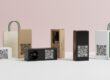
Lab results are not required on the label, but the product must be tested for safety and purity. Some brands show a batch number or QR code for test access.
Q 11. What must be included on the tincture box facing?
The front panel must show the product identity and net quantity. These details help customers understand the product at first glance.
Q 12. Does the FDA permit tincture boxes that are eco-friendly?
Eco-friendly boxes are allowed as long as materials are safe, clean, and strong. Recyclable kraft paper, soy-based inks, and sturdy cardboard work well for FDA-compliant packaging.