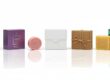


Recyclable Soap Box Packaging for Zero-Waste Brands
Recyclable soap box packaging plays a major role in today’s eco-friendly market. Many brands are now shifting towards zero-waste systems since customers want clean and safe products that take care of the planet, too. Sustainable custom packaging for soaps helps in making the brand appear responsible, modern, and caring. It brings about a number of positive changes: your brand looks responsible, modern, and sensitive to customers; by showing concern for nature, you prove that you can be trusted and deepen customer interest. This guide will explain what recyclable soap boxes are in simple words, structured with a full hierarchy so every reader understands each step.
Recyclable Soap Box Packaging
The material that can return into the recycling loop after use is called recyclable packaging. This helps minimize the trash, saves energy, and protects natural resources. This means that when the material of the box of soap is recyclable, then the packaging will be part of a clean system that generates less waste.
- Why Soap Brands Choose Recyclable Boxes
It is such a mundane product for everyday use. It needs to have strong, clean, and safe packaging. Recyclable soap boxes protect the brand and make for sustainable packages all in one. It makes them a smart choice for any brand abiding by zero-waste values.
Significance of Zero-Waste Packaging in the Soap Industry
Zero-waste packaging reflects a brand’s commitment to sustainability and environmental responsibility. It meets the growing demand of eco-conscious consumers while reducing packaging waste and environmental impact.
- The Rise in Demand for Environmentally Friendly Alternatives
More and more people would like to get products that will not harm the environment. Recyclable soap packaging fulfills that demand. Eco-friendly soap boxes come up with simple and clean solutions for modern conscious shoppers.
- Zero-Waste Packaging Supports Brand Growth
Zero-waste packaging gives a better brand image. A neat, eco-friendly look draws new customers into the company while keeping existing ones satisfied. It shows responsibility and care taken for nature in the packaging.
- Support for Safe Transportation and Storage
The boxes of soap are recyclable, protecting the soap while it is shipped and stored. The material remains firm and resists small pressure while keeping the soap clean without adding to plastic waste.
Best Materials for Recycling Soap Box Packaging
Choosing recyclable and biodegradable materials helps soap brands reduce environmental impact while maintaining product safety. Eco-friendly packaging materials support sustainability goals and appeal to environmentally conscious consumers.
- Kraft Paperboard
One of the most popular eco-friendly materials is kraft paperboard. Kraft is strong, recyclable, compostable, and biodegradable. Custom kraft soap boxes support zero-waste goals and give a natural, earthy look to your soaps.
Advantages of Kraft Paperboard:
- Natural brown color gives a rustic and clean style.
- Fully recyclable and compostable.
- Strong enough for handmade and organic soaps.
- Perfect for minimalist and eco-conscious branding.
- Corrugated Cardboard
Extra protection is provided by corrugated cardboard. This is best used along with online orders, as it can bear shipping pressure. The wavy inside layer provides strength without adding plastic.
- Recycled Paperboard
It is made directly from recycled fibers. It provides a smooth surface that holds well in printing, and it holds its shape. The material supports the recycling loop and avoids the creation of new waste.
- Biodegradable Materials
Some brands of soap use biodegradable plant-based packaging materials. These break down naturally without any harmful chemicals being produced from their breakdown. They can work very well for the packaging of organic luxury soaps.
Why Recyclable Soap Boxes Matter for Zero-Waste Brands
Recyclable soap boxes help brands minimize environmental impact while aligning with zero-waste principles. They support sustainable production, reduce pollution, and strengthen a brand’s eco-conscious image.
- Plastic Use Reduction
Traditional soap packaging usually involves wrapping it in plastic. Recyclable soap boxes exclude the use of plastic, thus keeping oceans and landfills clean.
- Support for Circular Economy
The circular economy is when materials are kept in use as long as possible and never become waste. Recyclable boxes of soap contribute to that, going into the recycling system again and again.
- Lower Carbon Footprint
The materials that are of a recycled nature require less energy in their production. This, in turn, has enabled the reduction of carbon footprints and further assisted green industry practices.
- Environmentally Cleaner and Healthier Production Process
Recyclable packing materials generally demand fewer chemicals for their manufacture, thus making working conditions much safer and cleaner.
Design Principles for Recyclable Soap Box Packages
Recyclable soap box design focuses on simplicity, sustainability, and ease of reuse. Thoughtful design choices reduce waste while maintaining visual appeal and brand clarity.
- Clear and Simple Layout
The simple layout helps save ink, thus keeping the design eco-friendly. Clear text and neat spacing make the packaging more readable.
- Minimalist Branding
The result is upscale, with less printing waste due to a minimalist design. A natural look showcases a combination of simple shapes, soft colors, and earthy tones.
- Natural Color Scheme
For eco-friendly branding, earthy shades will fit well, for example, brown, beige, and green. Such colors will denote a natural, clean identity.
- Easy to Recycle Structure
The design of the box must not incorporate mixed materials like plastic windows, foil, or metallic coatings. That is to say, a clean paper structure means easy recyclability.
Printing Techniques for Sustainable Soap Packaging
Sustainable printing methods reduce environmental impact while maintaining high visual quality. Eco-friendly inks and minimal printing support recyclability and align with green brand values.
- Soy-Based Inks
Soy-based ink is nontoxic and biodegradable. These inks also carry vivid colors without using harmful chemicals. The soy inks break down much faster during the process of recycling.
- Water-Based Inks
Water-based inks leave fewer chemicals and give a soft finish. Such inks are good for simple and clean designs.
- Digital Printing
Small-scale brands of soaps are fit for digital printing as it reduces material waste and gives accurate colors.
- Minimal Ink Coverage
Using less ink makes for a cleaner appearance and can be easier to recycle, while light printing helps the natural texture of the kraft paper show through.
Types of Recyclable Soap Box Packaging
Recyclable soap box styles offer both sustainability and visual appeal. Each packaging type supports eco-friendly goals while protecting the soap and enhancing brand presentation.
- Kraft Soap Boxes
Kraft boxes present a more rustic, natural appeal. These are also strong and recyclable boxes, which are perfect for organic soap brands.
- Sleeve Soap Boxes
Sleeve boxes use less material and create a lightweight structure. The sleeve slides onto the soap and protects it without adding waste.
- Pillow-Style Soap Boxes
Pillow soap boxes bring a soft, curved shape. These boxes also look stylish while remaining fully recyclable.
- Two-Piece Rigid Soap Boxes
Two-piece rigid boxes provide the best protection. When the structure is made from kraft or recycled paperboard, it feels luxurious and fully recyclable.
- Window-Free Soap Boxes
Tuck-top soap boxes without windows support easier recycling. They allow for simple printing and clean branding.
Customization for Zero-Waste Soap Brands
Zero-waste customization focuses on enhancing visual appeal without compromising sustainability. Eco-friendly finishes and techniques help brands maintain a premium look while staying environmentally responsible.
- Natural Finishes
Matte finishes work with eco branding. A natural matte coat offers protection to the box while maintaining its recyclable property.
- Embossing and Debossing
Embossing pushes the design out. Debossing pushes the design in. Both create a high-end feel without using hazardous coatings.
- Stamping with Eco-Friendly Foil Alternatives
Metallic foil is not recyclable. Yet, plant-based stamping films or water-based metallic inks are a greener alternative that looks premium.
Functional Features in Recyclable Soap Boxes
Functional design features improve usability while supporting sustainability goals. Thoughtful structures ensure product protection, easy handling, and better recyclability for eco-conscious brands.
- Drying Holes
Small holes allow excess moisture to evaporate. This helps keep handmade soaps dry and fresh during storage.
- Robust Locking Tabs
Locking tabs assist boxes in staying closed without glue. Glue-free designs guarantee better recyclability.
- Smooth Folding Lines
Smooth fold lines allow boxes to open and close easily without tearing.
- Clear Labeling on Package
Clear instructions on how to recycle or compost help put customers at ease with the packaging.
How Recyclable Soap Boxes Support Marketing
Recyclable soap packaging strengthens brand image while serving as a powerful marketing tool. It communicates sustainability, builds trust, and engages customers both on shelves and digitally.
- Green Branding
Recyclable soap boxes denote concern for sustainability. This enhances the value of your product and attracts conscious customers.
- Powerful Shelf Presence
Bright colors and simple designs combined with natural textures on store shelves gain maximum attention, boosting sales.
- Storytelling on Packaging
A short story of natural ingredients or eco-friendly values builds trust in customers, and this story becomes a marketing tool.
- QR Codes for Digital Engagement
QR codes link consumers to product information, tutorials, or brand stories without affecting recyclability.
Ideas to Make the Best Recyclable Soap Packaging
Smart design choices help create recyclable soap packaging that is both durable and eco-friendly. Focusing on simplicity, material efficiency, and clear labeling supports sustainability and brand credibility.
- Use Single-Material Designs
Single-material boxes are more recyclable, helping reach zero-waste goals.
- Use Lighter Material
Lightweight packages reduce shipment costs and carbon dioxide emissions.
- Avoid Laminations
Plastic lamination blocks recycling. Matte uncoated surfaces work best for eco packaging.
- Add Clear Eco Labels
Recycling instructions and eco badges create awareness and confidence in customers.
- Test Robustness
Testing ensures packaging firmness during transportation, reducing breakages.
Benefits of Using Recyclable Soap Boxes for Firms
Using recyclable soap boxes offers both economic and environmental advantages. Brands gain customer trust, strengthen their reputation, and ensure compliance while reducing production costs.
- Lower Production Costs
Recyclable materials are cheaper than plastic, and the design remains simple and efficient.
- Higher Customers’ Trust
Customers appreciate brands that care about the environment, fostering loyalty and repeat purchases.
- Enhanced Brand Reputation
Sustainable packaging builds a positive image, differentiating the brand in a crowded market.
- Compliance with Environmental Laws
Recyclable packaging meets regulatory requirements, supporting eco-friendly practices.
Sustainable Packaging of Soaps: Real World Trend
The soap industry is increasingly adopting eco-friendly packaging to meet consumer demand for sustainability. Trends like plastic-free materials, minimalist designs, and green printing methods are shaping modern soap packaging.
- Growth of Plastic-Free Packaging
More soap brands choose paper-based packaging because plastic harms oceans and soil.
- Growth of Handmade Soap Markets
Kraft boxes are extensively used for handmade soaps due to their natural and clean concept.
- Growing Demand for Minimalist Designs
Simple designs reduce waste and give a modern look.
- Advances in Green Printing
Eco-printing methods continue to proliferate as new inks and coatings allow sustainability without sacrificing quality.
How to Select the Most Suitable Recyclable Soap Packaging Supplier
Choosing the right supplier ensures high-quality, eco-friendly packaging that aligns with brand values. Consider material quality, certifications, customization options, and order flexibility for the best results.
- Verify Material Quality
High-quality kraft or recycled paperboard ensures better protection and clean printing.
- Look for Eco Certifications
Certifications like FSC or recycled content labels indicate genuine sustainability commitment.
- Price Comparisons and Custom Orders
Good suppliers offer flexible sizes, styles, and printing choices.
- Inquire About Minimum Order Quantity
Small batch options help small brands manage budgets and reduce waste.
Conclusion
Recyclable soap box packaging is leading the way for zero-waste brands. Clean materials, simple prints, and responsible design build a strong eco-friendly identity. It protects the environment while contributing to brand growth. Sustainable packaging builds trust and reduces waste, adding value to every soap product. With the right material, design, and printing method, any brand can offer packaging that is beautiful, functional, and planet-friendly.
FAQ Section
Q1: What material is most appropriate to make recyclable soap boxes?
Kraft paperboard works best because it is strong, recyclable, biodegradable, and cheap.
Q2: Can recyclable soap boxes be made stylish?
Yes, minimalist printing, embossing, and natural colors make for a luxurious feel and fashion.
Q3: Are recycled paperboard boxes safe for handmade soaps?
Yes, recycled paperboard boxes protect soaps and offer smooth printing areas.
Q4: Do recyclable soap boxes reduce packaging waste?
Yes, boxes that can be recycled actually go back to the recycling cycle and save landfills from trash.
Q5: Are window-free boxes better to recycle?
Window-free boxes recycle faster because no mixed materials block the process.