
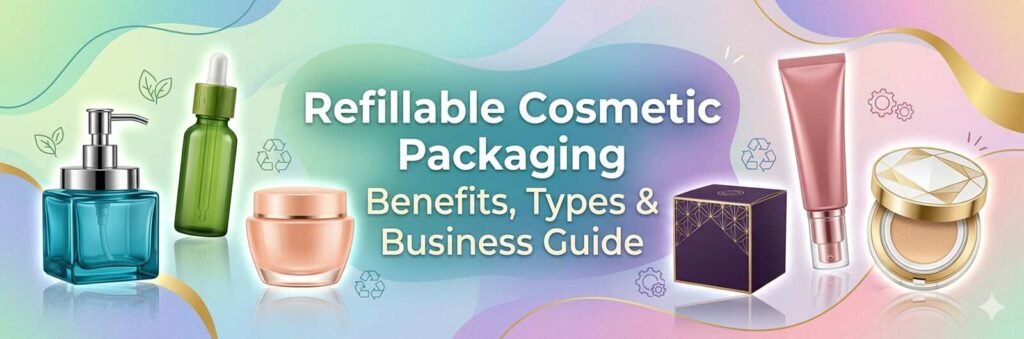
Refillable Cosmetic Packaging: Benefits, Types & Business Guide
What Is Refillable Cosmetic Packaging?
In essence, refillable cosmetic packaging is systems created to swap out the contents of the outermost layers of certain items, thus stopping you from belting an entire product container. Refillable cosmetic packaging solutions contrast with traditional single-use packaging in that a consumer buys an outer container — the ruggedized toothpaste box or dressy sunscreen case, say — only once and usually pays for the actual product (a refill pod, cartridge, or liquid insert) contained within.
These are widely used in the product like skin care creams, lotion, serums, perfumes, and make up products. The reusable beauty system will typically feature two parts — a bulk outer shell (typically made of the same high-quality material like glass, aluminum, or plastic) and a refill unit containing the product itself. After using the product, the contents can be easily refilled without changing the original vessel.
The intent of refillable cosmetic packaging is for it to be easy for consumers. The brands are working on systems that enable the products to be opened, refilled, and reused, with an emphasis on both safety and convenience. These include mechanisms like twist-and-lock containers, snap-in cartridges, and airless pump systems that keep the formula from contamination and oxidation.
Another important aspect is sustainability. What it is: refillable cosmetic packaging reduces waste by reducing the use of single-use plastics and other materials. This meant that when consumers finished the larger container, rather than throwing away the whole device, they would dispose of only a smaller refill piece or an ingredient packet to recycle. It’s a win-win for the environment and consumers looking to make sustainable beauty choices.
In addition to benefiting the earth, refillable cosmetic packaging improves the consumer experience. Well-manufactured and attractive containers seem to have some value, and they are unlikely to be thrown away; people reuse them. This advantage not only helps the product but also reinforces the emotional connection between the consumer and the brand.
Refillable cosmetic packaging is a new approach that contributes to making beauty products sustainably looking. In our 2026 view, it mingles practicality, ecological responsibility, and premium design to move it into an ever more on-trend choice with brands as well as consumers.
Why Refillable Cosmetic Packaging Is Gaining Popularity
What influences the trend of refillable cosmetic packaging? Buyers are looking for sustainable alternatives as customers and brands alike have become increasingly aware of the need to reduce packaging waste over the last couple of years.
This growing popularity can be attributed to numerous factors, with environmental consciousness being one of the major reasons. In recent years, consumers have been creating their shopping lists — requesting products that focus on waste reduction and sustainability. For many sustainable consumers, refillable cosmetic packaging is attractive for its potential to cut both single-use plastic use and demand for physical materials. This trend is especially powerful with younger generations, who are more concerned than older generations about whether a brand acts in an environmentally responsible fashion.
The third critical point is long-term cost-effectiveness. While refillables generally have a higher upfront cost — due to their permanent outer container, plus the fact that they are often made with more expensive sustainable actives that are harder to source — refills typically price at a lower point than purchasing a new product each time. For organizations and consumers, this allows for sustainable long-term savings for the consumer while fostering repeat purchases.
It could also offer a platform for branding and presence differentiation of their innovation, with refillable cosmetic packaging. Refillable solutions help brands shine in a modified catty beauty marketplace. It suggests a commitment to sustainability and innovation, which may strengthen brand image and customer loyalty. In keeping with the modern values of planet-first thinking, without abandoning the audacious premise of luxury entirely at a luxury price tag, a wealth of high-end and luxury brands are moving to adopt refillable systems.
Refillable cosmetic packaging is also better for the customer experience. These chic containers are durable, reusable, and make you feel just a little bit more like your lunch is yours. Good-looking packages do the magic to make your customers retained, as people tend to keep and reuse such aesthetically engaging items, which serve as a constant reminder of your brand.
The same is true for refillable solutions; reducing packaging waste and supporting reusable systems is still a key element of achieving this global sustainability goal, at least in the eyes of the United Nations Environment Programme.
Key Benefits of Refillable Cosmetic Packaging
Refillable cosmetic packaging offers a benefits list for business and consumers alike. And the benefits can go beyond sustainability and cost savings to also strengthen the placement of refillable systems at the center of contemporary beauty.
- Environmental Sustainability and Waste Reduction
For this reason, one of the biggest advantages is less packaging waste. Conventional cosmetics packaging is typically one-use and done, contributing to environmental waste. Refillable systems help reduce some of that waste by enabling consumers to reuse the outer shell multiple times, filling it only with the inner product. This both reduces plastic consumption and the average footprint.
- Cost Savings for Businesses and Consumers
Besides, refillable cosmetic packaging allows long-term cost savings as well. Long term are more sustainable as refills are often cheaper than buying a whole new product. For businesses, refill systems drive repeat purchases — at least from customers who opt into a subscription — and can potentially boost customer retention and lifetime value. Smaller refill units would also be made of less material and, presuming, be cheaper to ship.
Why Your Business Should Invest in Professional Logo Design Services
Refillable cosmetic packaging can also help brands position themselves as both sustainable and innovative. It helps when creating a brand image and obtaining eco-friendly customers. Customers tend to trust and remain loyal to brands that align with their values. Refillable systems also foster a constant, long-term bond between the customer and the product since end-users are unlikely to change brands once they have invested in reusable containers.
- Premium Customer Experience
Refillable is often associated with a bit more luxe visuals, which make for a better experience. Heavy-duty glass or metal canisters deliver luxe appeal, and all-in-one refill systems are entering the fray. Therefore, this combination of function and design not only increases the value per product but also customer satisfaction.
Reusable packaging systems make up a major avenue to reduce global waste and enable sustainable consumption by putting pressure on (United Nations Environment Programme, 2014)
Refillable cosmetic packaging addresses the issues of waste savings, cost savings, brand perception boost, and improved customer experience — so this is the box where we can tick that would lead to a sustainable and profitable business.
Types of Refillable Cosmetic Packaging
Classification of Refillable Cosmetic Packaging According to Product Type and Individual Preference. All options have some special features and advantages that brands can select from according to their needs.
- Refillable Bottles and Pumps
Liquid products, including lotions, serums, and foundations, usually arrive in refillable pump bottles. These are simple to open and refill but still clean and leakproof. Additionally, pump systems control the amount of product that is dispensed for less waste.
- Refillable Jars and Containers
Jars are usually reserved for creams, balms, and scrubs. Refillable systems have a plastic-free but sturdy, reusable outer jar; when the inner container or refill pod runs out, you just replace it with a new one. It is a relatively basic, inexpensive method in nature.
- Cartridge and Pod-Based Systems
It’s a very advanced refill system, with the product stored in replaceable cartridges. And they’re designed to slide into a reusable outer case, which allows them to be swapped out with ease.
- Airless Refillable Cosmetic Packaging
This is because product longevity and shelf-life preservation if coating are avoided direct air from the atmosphere by using airless packing systems. Such systems are particularly useful for sensitive formulations, such as serums and anti-aging creams. Airless Refillable Containers — Airless refillable containers provide hygiene, functionality, and sustainability.
These refillable cosmetic packaging range from bottles and jars to cartridges and airless systems, creating unique packaging for all forms of cosmetic products. The type chosen — and there are many variations of each — depends on product requirements, customer comfort, and brand intent.
How Refillable Cosmetic Packaging Works
There’s still some learning for both brands and consumers, too, about how refillable cosmetic packaging works. Zero waste promise, without sacrificing convenience, safety & high product experience.
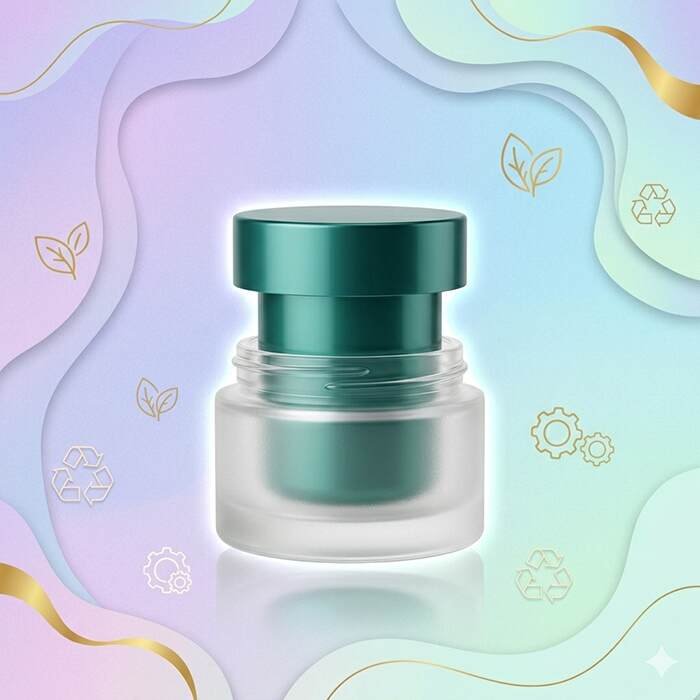
One important method of integration is through the outer packaging that holds a refillable unit and its respective refill. The outer or cover vessel is typically a high-end material (glass, metal, or durable plastic) built to last. The refill unit — and this is where the cosmetic product inside actually lives — gets replaced when it’s empty.
This process starts with the customer initiating the purchase. A refill usually comes with the initial purchase, which often includes the outer casing. Instead of throwing out an entire container when the product is finished, users can disconnect an empty cartridge and replace it with a new one.
You know that they have a different system for being able to fill it up easily and safely. Other packaging systems use twist-and-lock mechanisms; these are refillable containers that click into a slot inside the container. Others are based on snap-in cartridges or pump-based refills — the latter a method most commonly used for liquid products, as in lotions and serums. The system controls leakage to ensure proper dispensing of the product.
Another is hygiene and safety. Contamination risk can lead to the formation of removable systems that limit product contact and, at very low direct product exposure, function with contamination risk. This kind of airless packaging, for example, is also designed to keep out air and bacteria that can sour products over time.
From the business perspective, refillable systems reduce packaging fabrication. So brands are still designing a nice outer container, but making smaller, cheaper refill units. This prevents wasting material consumption, and therefore it also optimizes your logistics and storage as well.
So, in a nutshell, you could say that the recyclable cosmetics packaging all comes together to create a package that is durable enough for aesthetics, convenient for shops and consumers alike, as well as eco-friendly. Find Out More — This is the answer to modern beauty and helps consumers sample high-quality products without a ton of leftover product waste.
Materials Used in Refillable Cosmetic Packaging
Material choice is one such key consideration to help refillable cosmetics packaging be effective. 78912 The materials must be durable, safe, and aesthetically pleasing, as well as aligned with sustainability objectives.
- Glass and Aluminum
Refillable cosmetic packaging comes in a variety of shapes and sizes, but glass and aluminum are two of the most common. Glass is a luxury material, so it’s best for premium skincare and beauty items.” Silicone is inert, which means it just hangs out in the background and comes into contact with nothing it’s mixing with; so everything we’re combining is safe! Aluminum, by comparison, is lightweight, strong, and noncorrosive. It’s a common ingredient in the production of bottles, tubes, and containers that must have beauty as well as strength.
- Recycled Plastics and Bioplastics
Indeed, refillable cosmetic packaging can also make good use of recycled plastics, as they are both a versatile and more economical alternative. That creates less demand for virgin plastic and helps sustainability efforts. A similar option is bioplastics, from renewable resources. They also minimize environmental impact, which is a great feature for various designs.
- Durable Inner Components
And, as with any refillable system, the inner components — whether cartridges, pods, or refill pouches — must be well designed too. They are typically constructed of lightweight materials to reduce waste and cost. The idea isn’t, of course, to come away with an alternative version of nearly the identical packaging every time.
- Finishes and Coatings
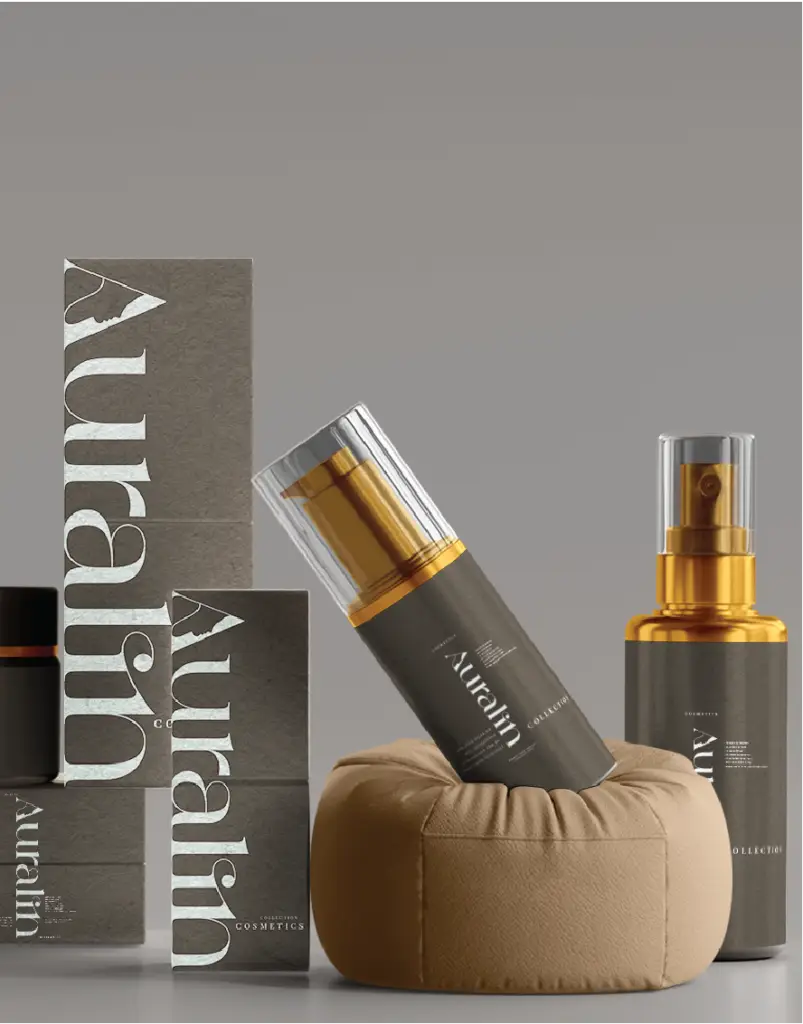
Matte finishes, soft-touch surfaces, and metallic accents lend a luxe look to refillable packaging. It is a variety of features that make for the luxury look but still have it durable and usable.
So, refillable packaging can utilize materials like glass, aluminum, and recycled plastics or bioplastics. This enables durability, safety, sustainability, and quality (in the sense of a great user experience) to come into play if we consider the right base material.
Business Guide to Implementing Refillable Cosmetic Packaging
Successful refillable cosmetic packaging relies on good design thinking and a smart business concept. For the brands that want to push ahead, function vs. cost and customer experience will be key success drivers.
- Designing User-Friendly Refill Systems
The First Step: Easy-to-Use Packaging Design. A baseline for the behavior of components should be when they need to be refilled or replaced. Further, basic systems, including twist-open fixtures, snap-in cartridges, or pump refills, offer greater convenience. The second major thing is communicating really well with your customers and designing user flows in intuitive ways so that you can make sure they have a seamless experience, which most likely gets them to repurchase.
- Products Hygiene and Safety
Safety and security are two of the requirements to be fulfilled by cosmetic containers. Refillable systems need to be designed in a way that protects against contamination, air ingress, and drainage of products. In such a case, hermetic sealing, tamper-proof design / pumps, and cartridges are obviously very good. Brands also need to consider whether the materials will interact with their formulations, so as not to jeopardize product quality over time.
- Cost Considerations and ROI
So while a refill might seem more cost-effective at first glance, solely consuming fewer liters for lower upmarket semi tankers, even in litter packaging waste, your prize proportional return although recycling plastics seems like yet another set ratio for comparison, but most of which are not so between litres bought vs entry practical system as voted upon entrees) making them single-use containers recyclable themselves. (cheap mass-manufactured durable outer containers, and refill units that are typically more affordable to produce and transport.) This results in repeat purchases and increases customer lifetime value. As a result, it is incumbent upon companies to analyze their production cost, pricing models, and savings options to ensure viability roi on investment.
- Branding and Customer Engagement
To create a leader brand identity, packaged in a refillable model for you know. Consider branded, premium, reusable containers that are iconic of the signature brand. Firstly, convince customers to refill by giving them a discount on refills or by having them join loyalty programmers. When customers know how the system operates, they have more involvement, and this builds trust.”
Challenges of Refillable Cosmetic Packaging
While this market movement brings with it a host of advantages, refillable cosmetic packaging presents multiple challenges for brands that roll out successful reuse systems.
One is the higher initial cost requirement. Designing and developing durable outdoor containers, which requires greater investment compared to otherwise non-stoppable packaging. In the early stages, these front-loaded costs can prove a burden on small businesses.
Another challenge is consumer adoption. With awareness of sustainability penetrating ever more into the mainstream, some of those shoppers may not have experience with a refillable system. While it may be inconvenient to some people, others simply do not know how to use the packaging properly. And companies are left having no choice but to assist customers through it and make the process as easy as they can.
There may be additional operational logistics and supply chain complexity, too. It also needs to coordinate inventory for the outer packaging as well as the refill units. Brands must be prepared that the refills are there for their loyal consumers to keep them happy and not to suffer any disruption.
Hygiene concerns are another factor. Laboratories and other businesses that identify containers are receiving more benefits from recycling, and thus could be wary of potential contamination if they reuse such containers. Brands must safeguard food hygiene and be clear on their efforts to maintain cleanliness.
Additionally, design limitations can arise. All of those challenges are compounded by the need to create refillable containers that are attractive and performance-neutral. Brands have to elevate the aesthetic side just as high, but also ensure that it is a pragmatic experience in the trunk.
These potential roadblocks that must be carefully navigated include high initial costs, customer conversion, logistics, hygiene issues, and design constraints. So these are issues that need to be solved if pumps for refillable products in the cosmetics industry are going to succeed and their translated advantages.
Future Trends in Refillable Cosmetic Packaging
The world of refillable cosmetic packaging is in a holding period — full of innovations, demands for sustainability, and shifting consumer expectations. As beauty trends increasingly toward more intentional practices, refillable systems will evolve and become ever-more sophisticated, accessible, and ubiquitous.
Intelligent and creative packaging designs or trends are one such thing. Companies are creating easier-to-use refill systems, like click-in cartridges, magnetic closures, and no-mess refill pouches. The innovations are designed to make the refill experience faster, cleaner, and simpler, prompting more consumers to adopt reusable packaging.
One big trend is the greater use of sustainable and high-tech materials. ( [+ Others are developing alternatives such as biodegradable plastics, plant-based materials, and fully recyclable components. To meet the goal of a genuinely holistic sustainable packaging solution, especially in what comes as refill units, and has an environmental impact as well.
Specialization and Personalization. With more focus areas to contain and customize Some brands have even begun offering refillable vessels, which customers can customize with pom colors, engravings, or removable elements. Not only does enhancing user experience like that strengthen emotional connection with the brand, but it is actually being led by data till October 2023 at this moment.
Auto-refill subscription models are another new trend. Another advantage for customers could also be that, since their refill will arrive at regular intervals, it will ensure consistent use of the product. A subscription-based model is the meat for many companies as it guarantees predictable revenue streams and better customer retention.
And that will also be a larger piece of the puzzle with technology integration. This would include product use data, refill reminders, and sustainability impact (to name a few) via QR codes, smart labels, or digital tracking. That kind of value adds and transparency to consumers.”
Lastly, we tracked a dramatic transition toward the circular economy. Brands are establishing systems for reusable, recyclable, or detachable packaging. And so it stands to reason that we should look toward fast glam products that anyone can apply easily in their homes, curtail waste, and build sustainability when it comes to cosmetics.
Trends to look at for cosmetic refillable packaging of the future: smart designs, sustainable and new materials with advantages, personalization, subscription model, and tech integration, as well as the circular economy. These innovations are what will take us to sustainable engaging packaging for consumers in the future.
Conclusion
Far from merely a passing trend, refillable cosmetics packaging is a significant step forward for beauty sustainability and more consumer-friendly design. As consumers and businesses within the supply chain become increasingly conscious of the waste we produce, solutions that prevent,” without affecting quality or convenience is essential. Refillable eliminate waste: Because disposables create the demand, refillable are a better unit for waste on an efficiency and sustainability integration scale.
Refillable Packaging: Environmental Benefits. It ensures that companies can differentiate themselves as sustainable and environmentally conscious, while also providing them with an upmarket experience that resonates with consumers. Hardy outer containers and intuitive refill systems encourage not only usability but also repeat purchases, leading to a lasting love affair with the consumer-catalyzed store.
But it works when it is designed nicely. These include user-friendly design, consideration of safety, judicious choice of materials, and educating the customer. Uptake is greatly challenged by higher upfront costs and consumer adoption.
The refillable future will rely on innovations in materials, technology, and design. Possibly Related: These 6 Things Make Buying Sustainable So Much Easier. The Evolution of Sustainable Fashion: Ideas to Refine — or Run From. As brands move into a circular economy model and more innovative systems for refill are developed and implemented, the industry can accelerate progress towards sustainability goals in line with evolving consumer value propositions.
Refillable cosmetic packaging is also a great thing to have in this Eco-friendly process. It’s a wise investment in both planetary health and business prosperity in 2026 and beyond.
FAQs About Refillable Cosmetic Packaging
What do you mean by refillable cosmetic packaging?
Beyond the bold-face symbolization of single-use external packaging, refill cosmetic packaging is in its own league, where outer wrapper/packaging can be reused many times (it is a system) when the product itself has been used up / is near its end-of-life only, and the inner (system component) product or added refill unit needs disposal. This cuts down on waste and enables customers to reuse the container over and over — a more environmentally friendly alternative than single-use packages.
What is refillable packaging in cosmetics?
In most cases, this type of refillable packaging does feature a sustainable outer shell and another spare package to fill with (in some cases, a cartridge, pod, or pouch). The user buys a refill when they run out of the product and slots the refilled cartridge into their initial container. It is easy, safe, and sanitary.”
Are refillable cosmetic packaging sustainable?
Yes, refill packaging is typically more sustainable compared to traditional single-use packaging, as it can help minimize waste. Its structure enables that only the inner ending is applied, to facilitate reusability of the outer container and minimize single-use plastics whilst encouraging some patterns connected with sustainable consumption.
Is refillable cosmetic packaging eco-friendly?
The upfront cost may be greater than some other cleaning products due to the durable outer container, but subsequent refill units are far less expensive than repurchasing an entire product. This leads to lower customer returns in the long term, which builds repeat purchases as well.
What Products Can Use Refillable Cosmetic Packaging?
Refillable packaging has mostly been targeted at skin-care products like creams, serums, and lotions, and cosmetics such as foundations, lipsticks, and powders. It is also found in perfumes and personal-care products.
Do refillable cosmetic packs have to be safe/hygienic?
Yes, refillable packaging can be safe and hygienic if done correctly. Most systems operate via sealed cartridges, airless pumps, or some vehicular, protective barrier to protect against bootleggers, contamination, and to ensure the integrity of the product throughout the period of use.
What is refillable beauty packaging?
Regular materials are glass, aluminum, synthetic plastics, reused plastics, and bio-plastics. The overall outer container is often made of a durable material, while the refill units can be made of much lighter materials, reducing waste and cost.
What are the brand benefits of refillable cosmetic packaging?
The benefits for companies that have enhanced their brand image include gaining more loyal customers (repeat sales). Refillable systems also decrease the quantity of raw materials consumed and contribute to sustainability goals, which makes brands more appealing to consumers as Eco-consciousness grows.
What are the challenges facing brands with reusable packaging?
However, factors such as the relatively higher price points, a need for consumer education, and a complex supply chain to maintain hygiene and product safety are holding back the sector. Interaction Design, Planning, and Communication can mitigate those challenges.
What’s Coming in Refillable Cosmetic Packaging?
In the future, packaging will be smarter, eco-friendly, subscription refilling, and customization. As consumers are driving demand for sustainable solutions, we predict the beauty industry will make a bigger lift in recyclable packaging.