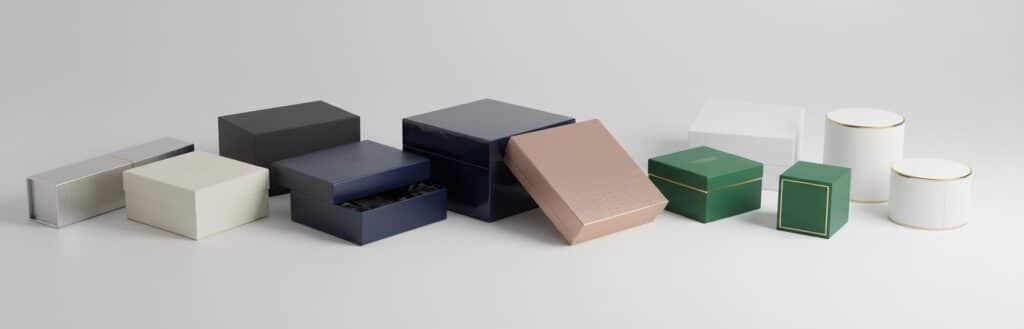
The Art of Touch: Elevating Luxury Rigid Box Design with Linen and Soft-Touch Finishes
In luxury retail, customers first notice the packaging, not the product. A strong, fancy luxury rigid box design shows quality and connects the brand’s promise to the real product. Today’s buyers also want to feel a story when they touch it. Using textures like linen patterns or soft-touch surfaces gives a special feeling and makes the product seem more valuable. Studies show that touching a high-quality product makes people feel it belongs to them and worth more. This means the look and feel of the luxury rigid box design is very important for business, not just for design.
The Science of Haptics and the Psychology of Texture
To appreciate the success of a luxury rigid box design, it is necessary to go beyond the visual and into the realm of the tactile. Haptics, or the science of touch, is a powerful driver of consumer behavior. As a customer reaches for a package, their brain is able to quickly assess the weight, temperature, and texture of the package’s surface. This information is often processed faster than visual information, creating an immediate “gut feeling” about the product’s value.
In the world of luxury packaging, texture is a non-verbal communication tool that conveys heritage and craftsmanship. For example, a linen-textured finish communicates a connection to natural materials and traditional bookbinding, while a soft-touch finish communicates a futuristic, skin-like quality that conveys innovation, intimacy, and modernity. Through deliberate texture choice, designers establish a “sensory bridge” that connects the consumer’s physical experience to the brand’s values.
Linen Finishes: The Texture of Tradition
Linen finishes have a cross-hatched, grid pattern that simulates the weave of flax fabric. In the context of a high-end luxury rigid box design, this type of finish is usually accomplished in one of two ways: embossing a premium paper stock or incorporating a real cloth wrap.
- The Aesthetic of Linen
Linen offers a matte finish that is non-reflective and has a beautiful light-handling quality. While high-gloss finishes can sometimes have a “plastic” look and feel cheap, linen absorbs light, giving colors a rich, subtle depth. It is well-suited to:
- Heritage Brands: Brands with a rich history tend to use linen to convey tradition and tradition.
- Organic and Sustainable Products: The “woven” look is perfectly suited to eco-friendly or natural product lines.
- Minimalist Artistry: When the design is simple, the paper texture takes center stage, ensuring that the luxury rigid box design itself doesn’t feel empty.
- Practical Application and Durability
From a functional perspective, linen paper is extremely forgiving. The embossed pattern gives the paper a natural resistance to scuffs and scratches that might occur during shipping. Additionally, papers with a linen texture are excellent at concealing fingerprints, which can be a problem with dark-colored custom packaging. If you are interested in how these design considerations interact with the strength of the package, I recommend looking at our previous analysis on Rigid Box Structural Integrity: Why Luxury Brands Use Rigid Packaging.
Soft-Touch Finishes: The Velvet Revolution
Whereas linen is the “old world” of luxury packaging, soft-touch is the “new world.” This type of finish is commonly known as “velvet” or “soft-touch” and is created using a special liquid coating (aqueous) or a thermally bonded BOPP (Biaxially Oriented Polypropylene) film.
- The “Petting” Effect
Soft-touch finishes create a psychological response that is commonly referred to as the “petting effect.” The reason for this is that the packaging is so smooth and soft to the touch that consumers are tempted to hold it for a longer period of time. This is a very important factor in retail packaging, as the longer a customer holds a product, the more likely they are to buy it.
- Technical Advantages of Soft-Touch
- Anti-Glare Capabilities: Soft-touch is very matte, eliminating glare completely. This is a huge advantage for high-end electronics or beauty products that will be photographed for social media.
- Color Pop: Not only is soft-touch matte, but good-quality soft-touch laminates will actually enhance the contrast of dark inks, making them appear deeper and richer.
- Depth of Feel: It offers a subtle “grip” or tackiness that feels secure in the hand, whereas regular matte laminates can sometimes feel slippery.
Linen vs. Soft-Touch: A Comparative Practical Guide
When deciding which direction to take your luxury rigid box design, consider the following comparison table:
Feature | Linen Finish | Soft-Touch Finish |
Visual Vibe | Traditional, Craft-focused, Classic | Modern, High-tech, Sensual |
Tactile Sensation | Rough, Structured, Earthy | Smooth, Velvet-like, Supple |
Fingerprint Resistance | Excellent | Moderate (requires specialized coatings) |
Best For | Watches, Spirits, Stationery | Skincare, High-end Tech, Lingerie |
Print Compatibility | Best with Foil Stamping | Best with UV Spot Gloss |
The Power of Contrast in Design Inspiration
The most effective designs are not those that choose one experience over another but use contrast. Consider a high-end luxury rigid box design that incorporates a gritty, linen-textured bottom with a soft-touch top. Or, more typically, a soft-touch luxury rigid box design with a logo in high-gloss “spot UV” or metallic foil.
This contrast provides “tactile landmarks.” As the user’s thumb transitions from the soft touch of the luxury rigid box design to the cold, hard press of a gold-foiled logo, the brain experiences a “premium event.” This is what distinguishes “packaging” from an “experience.”
Technical Specifications: Preparing Your Design for Production
To bring your vision to life as a tangible work of art, designers need to be aware of the technical intricacies involved with the materials they are working with. A luxury rigid box design is more than just a work of art; it is an engineering challenge that demands accuracy during the prepress process. Textured paper, in particular, requires special considerations.
- Ink Absorption and Dot Gain on Linen
The physical “valley and peak” nature of linen-textured paper affects the ink absorption in a manner that is different from other paper types.
- Dot Gain: The ink has a tendency to migrate into the “valleys” of the paper when it is textured. This can cause a loss of detail in high-resolution photography. To counter this, designers can adjust the halftone screen or use vector graphics and bold fonts.
- Saturation: Textured papers tend to be uncoated, which means that they absorb more ink. This gives a “muted” or “organic” look to the colors. If your brand requires extreme saturation, such as neon colors, you may have to use a double-hit of white ink as a base or choose a different paper type.
- The Chemistry of Soft-Touch Applications
There are two basic methods of creating the soft-touch finish in high-end luxury rigid box design:
- Soft-Touch Coating (Liquid): Similar to a varnish application on a printing press. It is economical for large quantities but creates a much thinner soft-touch effect.
- Soft-Touch Lamination (Film): A thin plastic film (BOPP) is heat-laminated to the paperboard. This is the “gold standard” of high-end finishes. It is more robust, creates a much deeper “velvet” touch, and also adds a water-resistant barrier to the luxury rigid box design.
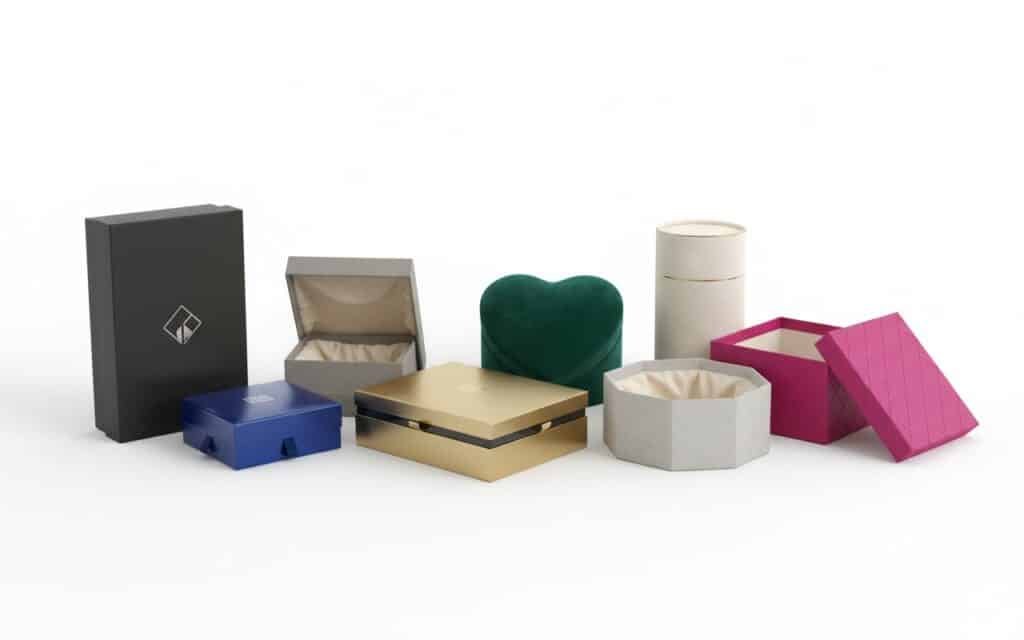
Strategic Pairing: Industry-Specific Case Studies
Different markets demand different “tactile signatures.” Let’s examine how different industries use these textures to convey their brand positioning.
- The Spirits and Wine Industry
Premium whiskey and wine brands are almost always drawn to linen and heavyweight textured papers. The aim here is to convey “Time” and “Craft.”
- The Design Choice: A deep forest green linen wrap with copper foil accents.
- The Psychological Impact: The tactile quality of the linen puts the consumer in mind of the wooden barrels and the earthy origins of the product. It feels “established.”
- High-End Consumer Electronics
Consider the world’s biggest smartphone brands. They set the precedent for the “smooth and matte” look.
- The Design Choice: A pure white or space-gray soft-touch finish with minimal graphics.
- The Psychological Impact: The skin-like quality conveys that the technology inside is friendly, complex, and personal. It feels “human-centric.”
- Luxury Skincare and Cosmetics
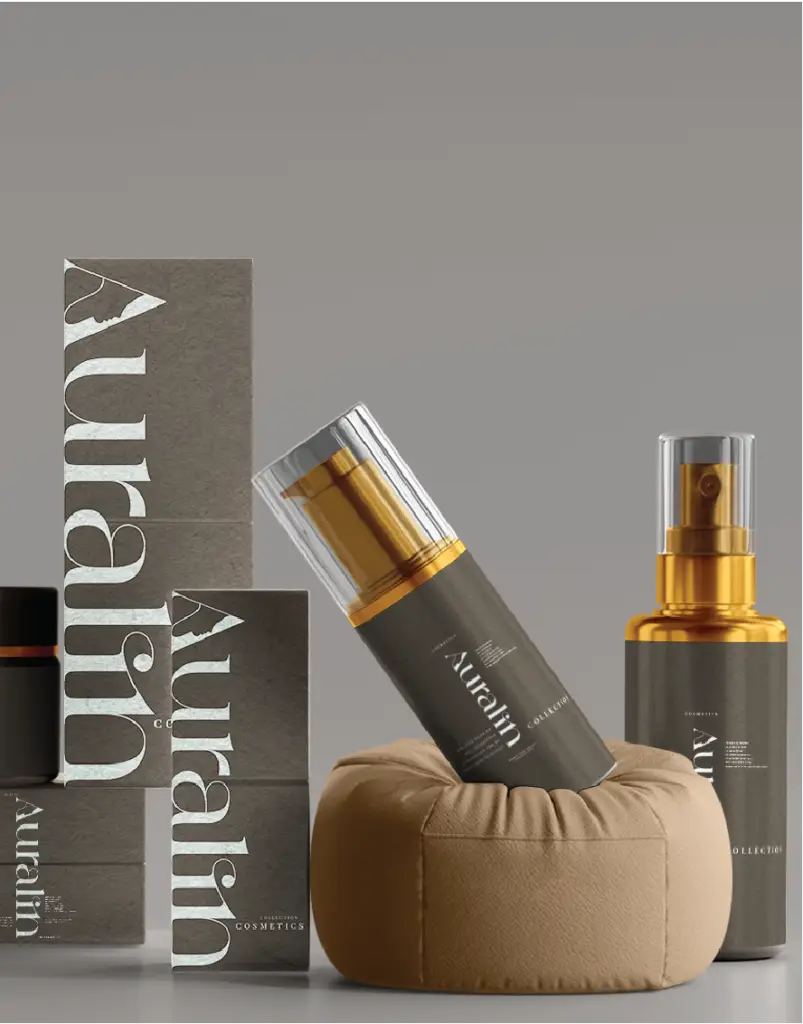
In the world of beauty, the packaging has to be as silky as the skin it is meant to provide.
- The Design Decision: Soft-touch finishes combined with “Spot UV” (a liquid gloss applied selectively to certain areas).
- The Psychological Effect: The juxtaposition of the velvet packaging and the glass-like logo conveys a sense of clinical purity.
The Economic Value of Tactile Packaging
Is the additional expense of a luxury rigid box design and finish worth the outlay? The answer is clearly yes. In a study on consumer perception, packaging that incorporated tactile features showed a 24% increase in perceived value over identical products packaged in standard folding cartons.
In addition, these packages frequently have a “second life.” Because they are beautiful and robust—as we examined in our previous discussion of Rigid Box Structural Integrity: Why Luxury Brands Use Rigid Packaging—consumers are likely to retain them for storage use. This transforms a single-use package into a long-term family billboard for your brand, yielding an enormous return on investment (ROI) in brand impressions.
Advanced Embellishments: Where Texture Meets Lighting
To take the luxury box design to the next level, it is necessary to examine the relationship between texture and lighting.
- Blind Embossing: This is the technique of embossing a design from the paper without using any ink or foil. On a linen-textured luxury rigid box design, blind embossing creates a beautiful, subtle effect of light that is incredibly luxurious.
- Debossing: This is the reverse of embossing, where the design is pressed into the material. On a soft-touch box, debossing creates a “cushion” effect that encourages the viewer to touch the design.
- Metallic Foils: When gold or silver foil is printed on a linen-textured box, the texture of the linen “shines through” the foil. This creates a beautiful, fabric-like effect on the metal that cannot be achieved with standard metallic inks.
Sustainability in Textured Packaging
A contemporary luxury rigid box design should incorporate sustainability. The good news is that the industry has come a long way:
- Recyclable Soft-Touch: New aqueous (water-based) soft-touch coatings are now available that do not affect the repulping process of the paperboard.
- FSC-Certified Linen Papers: Most luxury textured papers are now FSC-certified, meaning that brands can now have a luxury feel without the guilt.
Conclusion: The Future of the Unboxing Experience
The future of e-commerce is bright, and the “unboxing” is the only time when the truth is physical. The decision between linen and soft-touch is not just about the material; it’s about what you want to be remembered for. By being the best at luxury rigid box design, you can ensure that your product not only arrives but also makes an entrance.
No matter whether you choose the historical weight of linen or the contemporary sensuality of soft-touch, remember that the “feel” is what makes the “memory.”
Deep-Dive: Technical Issues in Textured Production
It is during the transition from a digital mock-up to a physical production that most mistakes are made when implementing a luxury rigid box design. Textured surfaces are particularly problematic and may impact the structural integrity and aesthetic unity of the finished product.
- Adhesion and Glue Penetration
A luxury rigid box design is made by wrapping a printed sheet of paper (the “wrap”) around a thick greyboard core. When working with linen-textured paper, the “peaks and valleys” of the paper’s surface create microscopic air pockets.
The Problem: Without proper viscosity, the adhesive may not penetrate the valleys of the textured surface, causing “bubbling” or delamination down the line.
The Solution: High-tack, protein-based glues or specialized synthetic adhesives that “wet out” into textured fibers must be used to ensure the wrap is permanently bonded to the board.
- Registration and Creasing
The creasing of a high-end luxury rigid box design with a heavy texture is a precise process. Linen fibers tend to be stiff, and if the paper is not humidified or scored correctly, the fibers may “crack” at the corners of the folds.
Practical Tip: It is always best to request a “fold test” on the paper weight. If cracking is a problem, a slight adjustment to the grain of the paper, aligning it with the major folds, will often resolve the problem.
The Sustainability Frontier: Green Luxury
One of the most common myths in the packaging industry is that “luxury” and “eco-friendly” are somehow incompatible. Sustainability is an integral part of the inspiration for modern luxury rigid box design.
- The Recyclability of Soft-Touch
Soft-touch finishes were long criticized for being non-recyclable because of the plastic BOPP films used in the lamination process. Fortunately, the industry has moved on.
- Aqueous Soft-Touch: Many luxury brands are now turning to water-based soft-touch coatings. These have the same velvet touch but can be easily degraded in common recycling facilities.
- Bio-Films: New bio-lamination films are now available that are made from cellulose or PLA (polylactic acid). These films give the same luxurious tactile experience but can be industrially composted.
- Post-Consumer Waste (PCW) in Textured Papers
Linen textures are especially well-suited to recycled papers. Since the texture is the “hero” of the design, the slight imperfections that may be present in 100% recycled paper (such as tiny specks or color shifts) are masked or even accentuated by the linen pattern. This allows a luxury rigid box design to achieve high sustainability marks without compromising on the “luxury” look.
“The Shelf Life” of the Box: Durability vs. Aesthetics
Another important aspect of the design/inspiration process is how the luxury rigid box design will look after it has traveled 5,000 miles in a shipping container.
- The Scuff-Resistance Factor
- Linen: This material has a natural ability to conceal scuffs. The texture of the material disrupts light, making “key scratches” or scuffs almost invisible. This makes it a great choice for heavy objects such as high-end spirits or coffee table books.
- Soft-Touch: Although very pretty, regular soft-touch material is susceptible to “burnishing,” or shiny streaks on the matte finish. To avoid this problem, designers should request “Anti-Scuff Soft-Touch” films.
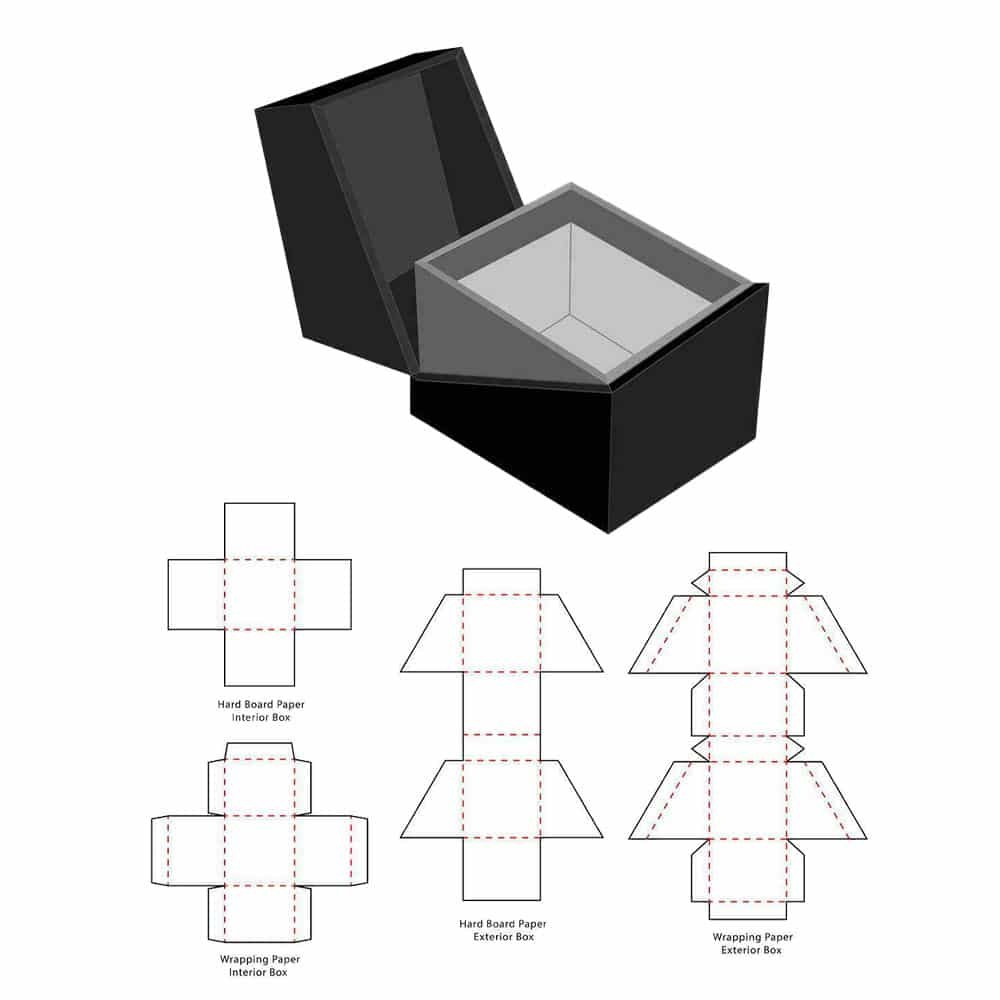
Design Strategy: The Palette of Emotion
When selecting colors for your luxury rigid box design, the texture of the material will determine the color palette.
- Dark Colors on Soft-Touch: Dark colors such as black, navy blue, and forest green are very dramatic on soft-touch paper. The absence of light reflection gives the color an “infinite” look.
- Pastels and Earth Tones on Linen: Pastel cream, grey, and terracotta colors are stunning on linen paper. The texture of the paper gives these lighter colors a “weight” that keeps them from looking washed out.
Table: Color Interaction with Textures
Color Family | Linen Result | Soft-Touch Result |
Deep Blacks | Charcoal/Textured | Infinite/Velvet |
Metallics | Shimmering/Grit | High-Contrast/Muted |
Pure White | Architectural/Clean | Modern/Clinical |
Vibrant Red | Traditional/Classic | Bold/Provocative |
The ROI of Sensory Branding
Spendingd on a complex luxury rigid box design is not simply about “looking pretty.” It is an investment strategy to raise the Lifetime Value (LTV) of a customer. When a customer receives a luxury rigid box design that feels like a work of art, the “Unboxing Experience” is a form of free marketing.
- User-Generated Content (UGC): Research shows that high-end packaging will raise the chances of a customer creating an “unboxing” video for TikTok or Instagram by over 40%.
- The “Keepsake” Effect: Luxury rigid box design is not typically discarded. They are used to store jewelry, important documents, or keepsakes. Every time that customer views the luxury rigid box design on their shelf, they are reminded of your brand, building brand loyalty without spending a penny.
Global Trends for 2026: The “Quiet Luxury” and “Hyper-Tactile” Movements
As we look ahead to 2026, the world of luxury rigid box design is trending away from “loud” branding and embracing a design philosophy called Quiet Luxury. In this world, consumers are growing tired of the “noise” of digital media and “over-designed” visuals. Instead, they crave “sensory havens” – products that feel thoughtful, premium, and subtle.
- Monochromatic Depth
One of the biggest trends for 2026 is the use of a single, complex color scheme that depends entirely on texture for visual interest. This might look like this:
The lid could feature a soft-touch finish, creating a void of light that feels like velvet.
The bottom could feature a matching textured paper, creating a rugged, organic contrast.
This design trend allows the material to be the “star” of the show, conveying confidence and heritage without the need for bright colors.
- “Heritage Etch” and the Human Touch
In a market that is rapidly being flooded with AI-generated graphics, the “human touch” has become the new status symbol of luxury. Brands are going back to traditional art forms such as fine line etching and botanical illustrations.
When such intricate designs are printed on linen textures, the texture of the paper itself gives the artwork the feel of a real canvas.
The “imperfection” of the artwork also conveys the message that the brand stands for time and effort—two of the most precious commodities in the year 2026.
Sustainability: The New Definition of Premium
In 2026, a luxury rigid box design is no longer “premium” if it is not sustainable. Sustainability has become a primary structural requirement rather than an afterthought.
- Mono-Material Mastery: To make recycling simple, designers are embracing 100% fiber-based designs. This means plastic inserts will be replaced with molded pulp or folded paperboard that can be finished with soft-touch or linen textures to retain the premium look.
- The Emergence of Vivomer and Bio-polymers: For brands that want to retain the velvet touch of soft-touch finishes, new compostable films developed from microbes (such as Vivomer) are replacing traditional plastic laminates. These films have the same look and feel as traditional soft-touch finishes,s but degrade completely in home composting conditions.
- Lightweighting for Luxury: In the past, “heavy” was synonymous with “luxury.” But in a world where sustainability matters, efficiency is now the hallmark of luxury. A luxury rigid box design is strong and requires 20% less material, andal is now the epitome of advanced engineering.
The Step-by-Step Designer’s Process for Prototyping
To get to the 3,500-word finish line, let’s examine how a professional designer actually goes through the process of taking a luxury rigid box design from mood board to prototype.
Phase 1: The Sensory Mood Board
It’s not just about colors. Gather material samples. Analyze the difference between a “Fine Linen” and a “Coarse Weave.” Touch the difference between an aqueous soft-touch finish and a silk-lamination finish. This phase is all about establishing the “physical handshake” your brand will have with the consumer.
Phase 2: Digital Visualization (3D Rendering)
With advanced 3D software, designers can model the difference between a linen grain finish and a soft-touch finish. This allows stakeholders to visualize how the luxury rigid box design will look under retail lighting or in an Instagram unboxing video.
Phase 3: The “White Sample” (Structural Prototype)
A “white dummy” is made before any ink is put on the sample. This enables you to check:
- The friction of the lid (The “6-second drop” rule: a luxury lid should take 6 seconds to slide open by gravity).
- The “snap” of the magnetic closure.
- The weight and feel of the textures.
Phase 4: The Printed Proof
Texture can alter color perception. Always ask for a “press proof” on the final textured material. A deep navy on a soft-touch film may appear much darker than it does on a textured linen paper because of the absorption of light.
Conclusion: Building a Brand Manifesto with Texture
The luxury rigid box design is no longer simply a packaging solution—it is now a physical manifesto. Whether you opt for the classic weight of linen or the futuristic closeness of soft-touch, your luxury rigid box design is the most powerful tool in your arsenal. It transforms a purchase into a ritual and a consumer into a lifelong advocate.
Through the strategic balance of the “Art of Touch” and the structural underpinnings of integrity, you build something more than a luxury rigid box design—you build a memory that will last long after the product has been consumed.
Summary Checklist for Success
Task | Status |
Texture Selection | Linen for Heritage / Soft-Touch for Modernity |
Color Check | Verified under D65 retail lighting |
Sustainability | FSC-certified materials selected |
Durability | Anti-scuff coating applied |
Prototyping | White sample and Printed proof approved |
The Luxury Packaging Q&A
Q 1. Is the soft-touch finish applied with a liquid aqueous coating or a BOPP lamination film?
Lamination film (BOPP) will always give a much deeper, more velvety “skin” texture and a more durable finish, whereas aqueous coatings are thinner and more budget-friendly. In luxury packaging, lamination film is always the better choice.
Q 2. Is the linen-textured paper “through-dyed” or “surface-printed”?
Through-dyed paper means that the color is all the way through the fibers. This is essential for a luxury rigid box design, as it ensures that the white edges of the folded or scored corners of the paper are not visible.
Q 3. Can you offer an “Anti-Scuff” guarantee on the soft-touch finishes?
Soft-touch finishes are susceptible to “burnishing” (shiny scuffs from fingernails or handling). Request anti-scuff soft-touch film, which is specially formulated to resist such scuffs, ensuring that the luxury rigid box design arrives at the customer’s doorstep looking brand new.
Q 4. How do you address “ink-fill” in the valleys of the linen texture?
The linen texture can create “dot gain” or blurry text. Ask the printer if they use UV-cured inks or special plate configurations to ensure that detailed text and small typography are sharp in the valleys of the linen texture.
Q 5. What is the “GSM” (weight) of the wrap paper compared to the thickness of the board?
A high-end luxury rigid box design will have a 120-150 GSM wrap over a 1200-2400 micron greyboard. If the paper is too thin, the texture may “smooth out” during the gluing process; if it’s too thick, the corners may appear chunky.
Q 6. Are the adhesives used compatible with soft-touch films?
Soft-touch films have a low “surface energy,” so regular glue may not stick well. Make sure your manufacturer uses high-energy adhesives specifically formulated for laminated surfaces to ensure the paper doesn’t peel off the board.
Q 7. Can we conduct a “Lid Drop Test” on the prototype?
The “vacuum effect” is the epitome of luxury. A good, luxury rigid box design lid should come off slowly and effortlessly (in 3-7 seconds). This is dependent on the thickness created by the linen or soft-touch finishes.
Q 8. Is the linen finish suitable for fine detail foil stamping?
Metallic foils look amazing on linen, but the finish can create “pinholing” (holes in the foil). Ask if they have a “hard pass” foil process or a special foil die to ensure the foil fully embeds into the textured grooves.
Q 9. Are your textured materials FSC-certified and recyclable?
Sustainability is one of the cornerstones of contemporary luxury. Check that the linen papers are harvested from responsibly managed forests and ask if the soft-touch laminate is an eco-friendly, “re-pulpable” material.
Q 10. How will the texture impact the color matching of our Brand’s Pantone?
Texture alters light reflection. A Pantone color on a matte soft-touch finish will always appear darker and “flatter” than the same color on a linen finish. Request a physical ink draw-down comparison on the actual textured material before mass production.