
Sustainable Packaging Trends 2026: Future of Eco-Friendly Packaging
What Are Sustainable Packaging Trends?
Sustainable packaging trends are redefining the way products are presented, shifting the focus toward recyclable, biodegradable, and reusable materials that reduce waste without compromising quality or style. From soap boxes and candle boxes to cosmetic and CBD packaging, businesses are now embracing smarter, more efficient designs that use fewer resources while delivering a premium feel. This is no longer just a passing trend, it is becoming an expectation, where brands that choose sustainability are seen as more responsible, trustworthy, and forward thinking in the eyes of modern consumers.
Sustainable packaging has evolved to signify far more than materials alone. This utilizes clever design techniques such as reducing extra packaging, lightweight structures, and best shipping shapes. Moreover, companies are also using eco-friendly inks & coatings and manufacturing processes to reduce their environmental footprint.
Sustainable packaging trend is being applied to ensure that products are created to be built and delivered in a better way now that the world has more awareness of global environmental issues. With these trends, not only are companies saving the environment, but they are putting themselves ahead of other companies.
Importance of Sustainable Packaging Trends in 2026
The trends towards sustainable packaging have become much more important in 2026, with the growing awareness of environmental and social issues, as well as regulations tightening globally. The businesses are under pressure from consumers to minimize plastic waste, lessen carbon emissions, and adopt eco-friendly business practices.
Using recyclable food boxes (recyclables) or biodegradable tuck boxes (biodegradables) reduces landfill waste, which can go a long way towards fulfilling the objectives of a firm circular economy. Thus, this recycled paperboard can also be used for producing green rigid boxes that make a perfect balance of luxury and environmental compliance.
Sustainability also hinges on brand positioning. Environment-friendly packing also assists the companies in maintaining the sustainable trust of customers who are more concerned about protecting Mother Nature.
How Sustainable Packaging Trends Impact Businesses and Consumers
Since the advent of sustainable packaging, both businesses and consumers have been impacted directly. For businesses, green packaging means an improvement in brand reputation, a reduction in costs from waste management, and compliance with environmental legislation.
Sustainable Packaging adds a Sense of Duty and Accomplishment to Consumers. Businesses are now keen on the use of materials that can be recycled or biodegradable, like kraft soap boxes and eco-friendly candle boxes. This change of choice impacts purchasing across the sectors.
In addition, sustainable packaging aligns a consumer experience with modern values. Sustainability sells: Customers are vastly more likely to trust the brand and continue shopping with you if they see that your business is committed to sustainability.
Why Sustainable Packaging Trends Matter in 2026
Sustainable Packaging is an Essential (2026) — Sustainability challenges, changes in consumer behaviour, and increasingly strict regulations compel all industries to seek more sustainable packaging.
- Environmental Impact of Packaging Waste
The root cause of environmental pollution is packaging waste. Single-use plastics and non-recyclable materials pollute landfills or end up in the oceans, doing long-term harm to the ecosystem.
Thus, businesses unite with sustainable packaging trend to efficiently reduce their footprint on nature. With a number of these options being plastic-based (as an example, tincture boxes and CBD boxes oftentimes)& by using paper alternatives, would still reduce the waste you send to landfills.
Manufacturing and decomposing the packaged items need a tremendous quantity of resources to create and eliminate from dealing with these packaging later on. The decrease will help to lessen resource consumption. Reduce, reuse, or recycle reusable or recyclable material.
- Rising Consumer Demand for Eco-Friendly Packaging
At the same time, consumer awareness about the environment is increasing by the day. These days, sustainability plays a huge role in decision-making because consumers are actively searching for sustainable packaging.
A material box with a recycled content of some kind for cosmetics or a biodegradable food box appeals to eco-friendly purchasers. Packaging design that presents a transparent sustainability story also inspires greater customer trust.
This rising need has urged enterprises to invest in creative and sustainable packaging solutions to thrive in a competitive environment.
- Government Regulations Driving Sustainable Packaging Trends
Government regulations are one of the most influential factors for sustainable packaging trend. Many of the countries are adopting policies to adapt to minimize proper disposal, recycling, and promote alternative materials over plastic waste.
Such regulations are typically characterized by the need for businesses to adhere to certain standards regarding the provision of packaging materials, labelling, and waste management. This includes, for instance, recommendations on how to package food and consumer goods in terms of safety and sustainability.
A number of regulations will be enforced against plastic pollutants, and businesses are adapting their packaging design using sustainable products as well as leading-edge technology to sustain. Beyond just walking the legal bit, compliance raises your brand credibility and makes acceptance in the market better.
Top Sustainable Packaging Trends in 2026
Emergence of Sustainable Packaging Trends 2026 focuses on how to design an eco-friendly product packaging solution that meets the functional, sustainable, and aesthetic requirements simultaneously. Businesses from different niches, including soap box and candle box packaging, cosmetic box and CBD box solutions, are seeking green innovations to comply with regulations and consumer expectations. The environment is a key part of this, specifically packaging waste – consumer reports tackled in an article not too long ago; based on U.S. Environmental Protection Agency (EPA) data, reducing packaging waste and recycling more are two of the best strategies we have at hand, especially if it were single-use plastic packaging.
- Biodegradable and Compostable Packaging Materials
Major sustainable packaging trend 2026: Biodegradable and compostable materials. As these materials are biodegradable, they reduce landfill waste and pollution due to incompletely decomposed materials in the long run.
Kraft paper and plant-based materials: These are frequently found in industries such as soap boxes and candle boxes. What is compostable packaging? Good for disposable products, this lowers long-term wastage.
The alternative to plastic is biodegradable: to achieve sustainability targets and entice eco-consumers, brands are replacing plastic packages with biodegradable packaging on a rolling basis.
- Recyclable and Reusable Packaging Solutions
Another major trend influencing the industry is recyclable, reusable packaging. Recycling cardboard, glass, and some plastics would reduce your use of materials that you recycle into intermediate and other products derived from recycled items.
Using recycled paperboard to form into a box, or alternatively, an always usable gift box can extend the life cycle of packaging. Refillable cosmetics or even CBD oils also encourage reuse and reduce waste as well.
Sustainability-oriented good recycling design helps to meet environmental regulations by not designing packages from multiple materials.
- Minimalist and Reduced Packaging Designs
Minimalist Packaging Design Minimalist design in packaging can be said as using less, but with all the functionality and visual beauty intact. That brings production costs down, lowers waste, and enhances sustainability.
A simple design with minimal layers can offer this efficiency while providing strong branding, such as a tuck box or food box, which are all simple yet effective forms of packaging (discrete shape). Eliminating unnecessary inserts, coatings, or excessive printing minimizes its impact on the environment.
Minimalistic designs cater to modern consumerism that seeks clean and simple packaging that does not further burden their lives while helping the environment.
- Smart and Sustainable Packaging Innovations
Embedding intelligence in packaging becomes a more essential part of sustainable packaging technology. Connectivity Smart Packaging connects to a greener world as an innovative solution.
This means it reduces the overuse of printed instructions and a tracking system for supply chain efficiency, such as QR codes. In addition, some brands are exploring biodegradable intelligent labels and eco-friendly inks.
These innovations cut down waste, but also create functionality to make your packaging more efficient, while being greener.
Sustainable Packaging Trends for Different Box Types
Sustainable packaging is not one single trend; it takes place as per the respective product / packaging type. The key is in the cooperation that caters to every box type, whether it be a soap box, food, or tincture box, and compromise with bespoke for its category to create their unique sustainability, protection, and branding. According to the U.S. Food and Drug Administration.
- Sustainable Packaging Trends for Soap Box and Candle Box
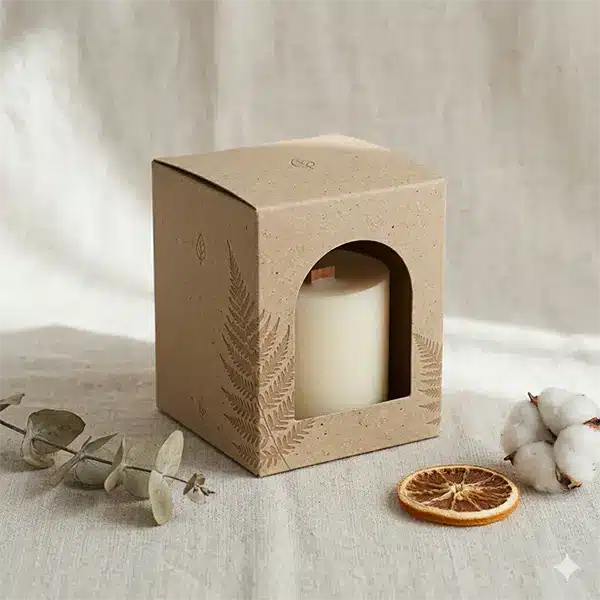
Bio-degradable & Recyclable Materials for Soap Box and Candle Box. Kraft paper and recycled cardboard are some favorite options since they are biodegradable.
The word sustainability is well captured with natural tones and minimalist looks without looking dull. Others, instead, eschew the plastic coating altogether for recyclability’s sake.
- Sustainable Packaging Trends for Gift Box and Rigid Box
Paperboard is produced from 100% virgin fiber and also uses recycled content to make the entire manufacturing process super sustainable. This results in a smaller wastage since these boxes can be reused again and again up to their maximum capacity, as per the quality of materials used.
You are now packaged using eco-friendly adhesives (even luxury packaging). Sustainability that keeps the excellent image of rigid packaging, a premium look.
It includes recyclable materials, eco-friendly inks, and little cream use – cosmetic box as well as CBD box. Going green, also extremely important, requires transparency and compliance.
Both of these categories tend to have refillable packaging and/or biodegradable components, which help remove some of the struggles tied to long-term waste.
- Sustainable Packaging Trends for Cosmetic Box and CBD Box
It needs to be ecological without compromising the security standards of a food box. These comprise compostable plastic (widely used) and recycled cardboard activities to minimize environmental damage.
Actually, a tuck box is light and has a minimal design, which results in less waste and shipping. Not sure if one is better off staying away from anything uncoated or ad-hoc finishes, sternly assessing recycling.
- Sustainable Packaging Trends for Food Box and Tuck Box
This example is for a tincture box and specialty packaging, and the balance of protection & sustainability matters most. Trends include recyclable materials, molded pulp inserts, and very little plastic, as detailed in the report.
We can shrink our environmental footprint by making packaging that separates easily for recycling and substituting traditional materials with new alternatives without sacrificing safety.
Materials Driving Sustainable Packaging Trends
The shift to eco-friendly alternatives is driven by packaging innovations as the major factor. But gone are the times when Sustainable packaging trend was limited to biodegradable materials comprising larger biocompatibility content, making them more economical with no compromise on their durability, functionality & aesthetic values. Whether pre-curated or not, however, the materials in the soap box/cosmetic box/rigid box all play an important role in offering more sustainable packaging.
- Recycled Paper and Cardboard Packaging Materials
Some of the most typical materials in green packaging are paper and cardboard from recycled elements. They are composed of post-consumer waste, which needs no virgin raw materials and produces little leftover environmental cost.
You are known for this type of recyclable packaging ( soap boxes, candle boxes, tuck boxes, etc.). Recyclable cardboard provides sufficient strength for packaging while also enabling circular economy processes.
Further, the materials, when customized with biodegradable inks and finishes, can easily be printed on, making them not only aesthetically pleasing but also functional.
- Plant-Based and Bioplastic Packaging Solutions
Bioplastics and other plant-based materials are increasingly appealing alternatives to conventional plastics. Materials used are made from renewable sources: corn starch, sugarcane, and other plant-based fibers.
They are used to prototype packaging with less plastic reliance, including CBD boxes and food box designs. It can be biodegradable or compostable, depending on composition.
Plant-based packaging solutions are still in development, but this is a step further toward less reliance on non-renewable resources and environmental harm.
- Glass and Metal as Sustainable Alternatives
In contrast to plastic packaged products, wherein plastics tend to decompose after a long time period and cannot be recycled. These materials can be recycled endlessly without loss of quality, unlike one-time-use plastics.
Be anything, be it tinctures, candies, or a beverage. Support can use glass containers. Use pedestal jars. The usual package, so the jar is sold together with the tincture in box packaging, and then one more candle is in a box. Due to its strength and durability, metal packaging has been used for some foods and cosmetics, too.
They promote reuse and recycling, which is the reason for brands to go for permanent sustainable packaging solutions.
- Eco-Friendly Coatings and Inks
Coatings and Inks are one of the many parts of packaging sustainability. While more eco-friendly means of recycling concepts are easily available, basic coverings may even assist you in recycling a lot less.
Water-based coatings or soy-inks born in cosmetic boxes / Gift box & rigid boxes. They have a similar graphic quality but have lower environmental emissions.
Sustainable coatings ensure your packaging is recyclable.
Benefits of Following Sustainable Packaging Trends
You are also training on data until the end of October 2023__ you various types of packaging trends help businesses, customers, and our environment with various types of packaging trends. Green packaging offers a unique competitive advantage across all industries, from waste reduction to improved brand image.
- Reduced Environmental Impact
The biggest benefit of eco-friendly packaging is its lower impact on nature. The next time you are out shopping, try to use materials that can be recycled or biodegradable so that it does not end up in a landfill.
If plastic components in one of your food boxes or in your CBD products are traded off with a paper-based alternative, such overall renovations will go quite a distance toward less aberrant annihilation by Mother Nature. Sustainable packaging conserves natural resources and decreases carbon footprints in an effective manner.
- Improved Brand Image and Customer Trust
Employing sustainable packaging creates a positive image for the business in a consumer’s mind, and you also earn their trust in the process. More and more consumers are becoming aware of environmental issues and prefer producers that demonstrate responsibility.
Good quality and eco-friendly materials in the product, like soap box or candle box, would mean your commitment towards the environment. It enhances brand awareness, hence encouraging the environmentally-conscious customers and developing their loyalty toward the brand.
Straightforward messaging regarding sustainability initiatives enhances social proof as consumers gain confidence.
- Cost Efficiency Through Smart Packaging Design
Upfront, conventional sustainable materials may seem more pricey / ton by virtue of their weight, but effective packaging designs will be a cost-saving boon over time. We need to minimize the amount of material we use, along with packaging size, and maximize efficiency in delivering our products to reduce cost.
The type of packaging has a direct impact on shipping and storage, but a lightweight tuck box will save you money on both fronts, or an exquisitely made rigid box. Reusable packaging can also add surplus value when it comes to the longevity of a product.
Combining sustainability with efficiency allows organizations to reduce costs, both by saving resources and materials and by helping turn lower-impact strategies into higher-profit ones.
Challenges in Adopting Sustainable Packaging Trends
In all honesty, the lack of timely sustainable packaging trends is easy to justify due to the drastic advantages it provides from an environmental and brand perception perspective. Whether it’s soap box and candle box packagings or food box and CBD box solutions, firms from different industries find it hard to get rid of green alternatives, not only due to the shortage in resources but also because of the financial pressure associated with it.
- Higher Initial Costs and Material Limitations
Higher Initial Cost: Sustainable materials have a higher upfront cost than traditional building materials. This superb quality with low production volumes comes at a price, and allows some sustainable alternatives like recycled paperboard, biodegradable films, or plant-based plastics to mitigate the risk.
However, natural material has its own weaknesses as they are not very strong, easily absorb moisture, and have lower durability. If, for example, you took recycled paper to make an uncoated version of a tuck box, it would not be as protective as if you created one from cardboard with a layer of lamination, which is glossy in appearance and has a stronger structure, thus, especially heavy or sensitive products.
At the time of selecting a sustainable packaging material for final design and incorporation, businesses need to assess the cost versus performance to determine if it meets functional specifications as well as budgetary specs — making sure it’s appropriate in both respects.
- Balancing Sustainability with Product Protection
A serious challenge is keeping the environmentally safe fuels that they develop safe for use. It should be nothing but protective against destruction, contamination, and environmental sources in the distribution and warehousing stages.
As an example, if you are a manufacturer of candle boxes or tincture boxes, you would usually also want protective inserts for your fragile items (glass containers). Given this background, molded pulp is one of the sustainable alternatives to plastic-made cushioning, and it acts pretty well in replacing the plastic cushion protocol if a little flux in design parameters allows.
But of course, it is equally very important to find the right mix of sustainability with protection levels correctly to avoid damages, returns, and unhappy customers.
- Supply Chain and Recycling Challenges
Sustainable packaging is also a hurdle to implementation, especially in restricted supply chains. The lack of availability in geographic areas where this could be an option, as well as recycling infrastructure around businesses trying to do more, are hard-pressed to embrace sustainability-related issues.
Realize that a recyclable cardboard food carton or beauty box is still going to end up in the landfill if the accompanying infrastructure facilities are not available. Also, obtaining high-quality raw materials becomes a challenge in large-scale production.
Businesses must also factor the local recycling capabilities and supply chain resilience into designing a sustainable packaging strategy.
Future of Sustainable Packaging Trends
In the next few years, sustainable packaging trends will be shaped by innovation and technology, and commitment to sustainability as well! As industries transform themselves, solutions for packaging are becoming increasingly handy, sustainable, and cover the circular economy.
- Innovations in Eco-Friendly Packaging Materials
A plethora of new materials are coming to the forefront in order to help achieve sustainability without compromising too much performance. Starting from compostable films to biobased coatings and advanced recycled materials, which provide multipurpose functionality with higher strength capabilities
While a traditional use of next-gen materials is to keep boxes rigid, as you might find with a gift box or CBD box, such materials are often considerably more eco-friendly. Small businesses have even easier access to affordable, sustainable packaging as a result.
- Circular Economy and Zero-Waste Packaging
New arrangements of the circular economy hold the key to the future of packaging. This approach aims to design packaging in such a way that it is reusable, recyclable, or compostable — minimizing waste and ensuring the production lifespan of materials as long as possible.
Zero-waste packaging solutions are on the rise, in December 2023, partly because of reusable food boxes or refillable cosmetic boxes. Other brands are looking into systems where the customer returns containers for reuse.
There are circular design principles that can be followed in order to minimize the footprint that our designs make on this planet, and ensure that our target for sustainability goes beyond the inevitable geography we find ourselves forced to operate within between now and 2030
- Role of Technology in Sustainable Packaging
Technology is the power of sustainable packaging. QR codes and digital labels are smarter options to reduce physical resources, while tracking systems improve supply chain processes.
In addition, new manufacturing techniques are also reducing energy consumption and materials waste. For example, a Tuck Box or a Soap box, a premium printing technique, would have afforded you a more accurate application for ink and coating.
But the technology that will take forever to change, soon it shall pave its path with successful, sustainable, and cost-effective packaging solutions that guide not just environmental needs but market trends as well.
Conclusion
The shift to more sustainable packaging is a global one, and one that we live and breathe through the way a product gets designed, delivered, and experienced. Be it wrapping a basic bar soap or pouring money into rigid boxes, companies are looking for sustainable packaging while ensuring they do not compromise on the quality and performance.
This benefits companies as they transition to consumer preferences while other districts live green by selecting sustainable materials, conserving resources, and opting for elegant designs. They are not only environmentally friendly, but they also improve brand image, positively affect trust, and profitability in the long run.
While many barriers—the expense, the difficulty of getting sufficient materials, and supply chain constraints—will remain a headache for different sectors in their race toward sustainability, continuous innovation and technology advancements are revealing the opportunity for corporate sustainability solutions. Having said that, sustainability-driven packing, when opted for by the companies in their very own supply order, will be far better than going against it amidst the rash overall competition and consumer need to become carbon aware.
FAQs About Sustainable Packaging Trends
What are the latest sustainable packaging trends in 2026?
The top sustainable packaging trends for 2026 are biodegradable and compostable materials, recyclable solutions, and less material use by using minimalistic designs.
The use of smart packaging, like QR codes, greatly helps brands to lessen print material and improve customer connection. Mostly, the CBD boxes, cosmetic boxes, food boxes, etc., inspired by this are made in an eco-friendly style.
Are green package materials really even cost-effective?
The price of eco-friendly packaging materials could be higher relative to the traditional ones. But these typically tend to be cost-effective over the long haul.
A lightweight tuck box design, for example, can save you on your shipping costs, and the use of recyclable materials and minimal plastic waste will do the same in your rubbish disposal expenses. In addition to this, in this way, sustainable packaging can entice more customers towards buying your products, increasing the sales and constant return of loyal brand customers who cover the money spent on it at first.
Which sectors are in the strongest position for sustainable packaging?
Sustainable packaging is supported by every type of industry, but really affects food & beverage, cosmetics, healthcare, and retail.
A food box, for example, ought to be safe and biodegradable (or recyclable!) Similarly, eco-friendly cosmetic boxes and candle boxes offer a little something for environmentally conscious human beings. Similarly, the cosmetic and CBD businesses also rely on sustainable bags to establish a certain level of integrity in order to attract customers who are strict about rules.
Where to buy sustainable packaging solutions?
You will be getting trained on all the sustainable packaging solutions from Plastic/Packaging manufacturers, Eco-friendly suppliers, and vendors offering green packaging through online websites, the best and cheap alternative green packaging options.
For made-to-order vendors with goods including rigid packing containers, present boxes, or tincture bins searching for sustainable packaging, need not just count on green or biodegradable materials, additionally includes browsing options in design and printing as well. Always remember, how sustainable a brand looks on paper – to go the extra mile and check those certifications before you make that purchase.
What materials are considered sustainable in packaging?
Organic degradable paper sustainable packing materials Disposable boxes as kraft, recycled paper, glass material & including some metals and oil recyclable-plastic soil bio-precision deskilling Garbage bag Material like disposable plates and crockery used cardboard waste.
The reason these materials are mixed in for all of them is that they naturally decay or have accessibility to oxygen, which indicates you can use this material in soap boxes, candle holders, and likewise in aesthetic boxes; its ecological impact is lower.
How can businesses transition to sustainable packaging?
The change to green materials may be carried out in steps, through the gradual introduction of ecologically conscious material in the manufacturing process; redrafting packaging that would produce negligible waste; or cooperation with suppliers from a green complex at all stages.
One such functional step is progressing from plastic to kraft in a food box or utilizing recycled paperboard in the tuck box. It involved providing product quality guarantees to the customers throughout these changes, which required a large amount of audits and testing of raw material.
Is sustainable packaging a compromise on the quality of the product?
Good sustainable packaging does not need to sacrifice product performance at all. The latest sustainable materials are designed to provide years of service, protection against harm, and performance.
Now, just to give you an example, a perfectly designed rigid box made with recycled board will protect products the same as regular ones without harming the environment.
Why is sustainable packaging important for the future?
Sustainable packaging is important, as it minimizes pollution, uses natural resources wisely, and contributes to global sustainability goals.
If consumers really care about the environment, they will choose businesses that promote sustainable packaging, including environmentally friendly CBD boxes or gift boxes. This will allow sustainable growth and aid in the fight for a greener planet.