
Food Packaging: Complete Guide to Materials, Regulations, Ideas & Cost (2026)
What Is Food Packaging and Why Does It Matter
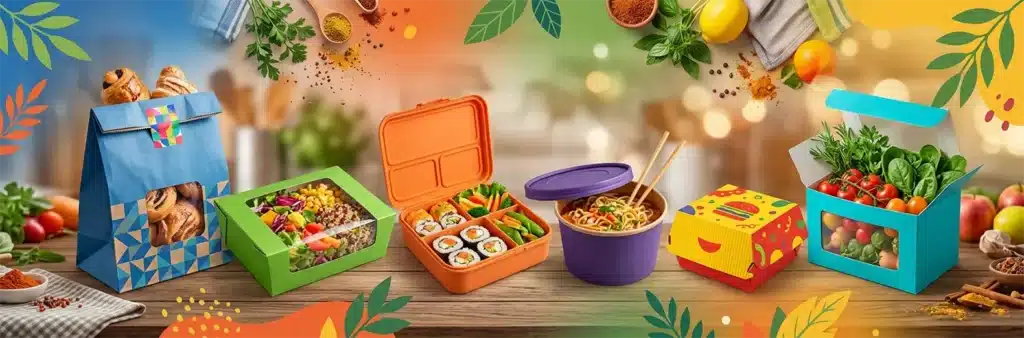
Food packaging is far more than just wrapping or protection, it is the invisible shield that keeps food fresh, safe, and full of quality from production to consumption. At the same time, it plays a powerful role in shaping customer trust, extending shelf life, and creating a strong brand image in a highly competitive market.
Today, the right food packaging does not simply preserve food, it influences buying decisions, enhances customer experience, and turns an ordinary product into something people instantly recognize and remember.
Key Purposes of Food Packaging
- Protects Food from Contamination
Food packaging serves to protect food from getting contaminated by bacteria, dust, moisture, and air. Proper packaging is essential in ensuring the product remains safe for consumption and hygienic.
- Extends Shelf Life
Quality packaging slows spoilage through controlled exposure to oxygen, light, and humidity. Vacuum sealing and airtight packaging can remarkably extend product shelf life, leading to reduced food waste and monetary savings.
- Maintains Freshness and Temperature
Packaging provides protection to food items and helps in keeping the original flavor, feel, and temperature of food products. Be it the Hot Food Delivery Packaging or frozen food containers, suitable packaging ensures that a product reaches customers in its best state.
- Enhances Product Presentation
As packaging, one that is visually attractive and crafted helps boost visual appeal and makes products more enticing on shelves or online listings. Packaging, if done creatively, can sway a sale and make your product stand out in the oversaturated market.
- Provides Essential Information
To keep away from it, packaging includes such labels as ingredients, nutritional info, expiration dates, and usage instructions. This provides not only information to consumers, but also compliance with food safety regulations.
- Supports Branding and Marketing
It is the custom packaging that showcases your logos, colors, and messaging — all super vital when it comes to branding! Good packaging design generates brand awareness, trust, and customer loyalty over time.
Why Food Packaging Matters More Than Ever
Packaging is the first physical touchpoint your customer has with your product in this day and age of business. They assess what it is worth by the look of its packaging before they taste it. With good packaging, you can create a sense of premium value, but with poor packaging? Well, your brand image suffers—regardless of how amazing your product is.
As consumer awareness grows, businesses are also turning to eco-friendly solutions in packaging, meaning that sustainability is becoming a significant consideration when it comes to packaging choices.
Types of Food Packaging: Materials, Benefits, and Use Cases
Proper selection of packaging materials keeps the product quality intact, protects the products from spoilage and contamination, helps retain moisture content, retains freshness and flavor, among other things, thus contributing towards customer satisfaction. Packaging types are designed to fulfill different utility needs based on the nature of the food product, its storage requirements, and brand positioning.
- Metal Packaging (Canned Food Packaging)
Metal packaging is one of the most common packaging types used in the food industry, particularly aluminum and steel cans, due to their strong protective nature.
Properties:
- Very strong and durable — great protection of food from mechanical damage in the course of transportation
- Long shelf-life — airtight seals keep air, moisture, and light out
- Superior barrier protection – protects food from bacteria and contamination.
Best For:
- Canned vegetables and fruits
- Soups and sauces
- Ready-to-eat meals
- Seafood products
Metal packaging is a great option for companies that want to increase shelf life while maximizing safety and preservation.
- Glass Packaging
Although a more expensive alternative, one of the common premium packaging options for high-grade food items is glass packaging. Another point to note is that it is non-reactive, which keeps the food intact in terms of its taste and quality.
Properties:
- Premium appearance and elegance – increases the value of the product and shelf attraction
- Can be reused and recycled — reinforcing sustainable packaging
- Chemical-free, non-toxic — does not react with food content.
Cons:
- Heavyweight–increased transportation costs
- Fragile — can easily be broken when handled
- More expensive than plastic or metal
Typically, glass packaging has been used for sauces, jams, drinks, and other organic food products where quality and presentation are the most critical factors.
- Biodegradable Food Packaging
Environmental concerns are at an all-time high, leading to an increase in demand for eco-friendly packaging. The biodegradable packaging is made of natural materials that are processed to decompose naturally instead of polluting the environment.
Properties:
- Eco-friendly – cuts down on plastic waste and pollution
- Increasing consumer demand – resonates with environmentally conscious consumers
- Supports brand sustainability goals
Best For:
- Organic food brands
- Food delivery and takeaway services
- Sustainable and eco-focused companies
New developments in biodegradable packaging are not just good for the world but also good for the brand, and provide an avenue for modern, sustainable consumers.
- Temperature-Controlled Food Packaging
Temperature-controlled packaging is contingent upon features for perishable food delivery solutions. Temperature control is essential for food safety, quality, and customer satisfaction.
- Hot Food Packaging
Of course, you need hot food to be delivered at the right temperatures if a customer is going to find their experience to be enjoyable.
Common Solutions:
- Insulated containers — keep heat for long
- Aluminum foil packaging — it allows you to keep warmth and moisture locked in.
- Thermal delivery bags — typically used by restaurants & delivery services.
- These packaging types allow food to stay hot, fresh, and edible when they arrive.
- Cold Food Packaging
Cold or frozen food products require suitable packaging that preserves low temperatures and prohibits spoilage.
Common Solutions:
- Gel ice packs – ground shipments for chilled temperature
- Insulated boxes – Keep the cold for longer
- Refrigerated packaging systems – utilized for temperature-sensitive foods
Why Temperature-Controlled Packaging Matters
It prevents managing the proper temperature in packaging:
- Food spoilage
- Bacterial growth and contamination
- Reduction in taste, texture, and quality
- Negative reviews and customer complaints
The best packaging solutions up to temperature are great for customer experience and your brand in the competitive food industry.
Food Packaging Materials Comparison (Cost vs Use Case vs Benefits)
Packaging Material | Cost Level | Best Use Cases | Key Benefits | Limitations |
Plastic Packaging | Low | Snacks, frozen food, takeaway containers | Lightweight, flexible, cost-effective, moisture-resistant | Not eco-friendly, can affect brand perception |
Paper & Cardboard | Low–Medium | Bakery items, fast food, takeaway boxes | Eco-friendly, recyclable, easy to customize | कमजोर against moisture, limited durability |
Metal (Cans/Aluminum) | Medium | Canned food, beverages, ready meals | Strong, long shelf life, airtight protection | Higher production cost, not suitable for all foods |
Glass Packaging | High | Sauces, beverages, organic food, jams | Premium look, reusable, chemical-free | Heavy, fragile, expensive transport |
Biodegradable Packaging | Medium–High | Organic food, eco brands, food delivery | Environmentally friendly, growing demand | Higher cost, limited availability in some markets |
Foam (Styrofoam) | Low | Hot food takeaway, fast food | Excellent insulation, keeps food warm | Harmful to environment, banned in some regions |
Flexible Packaging (Pouches) | Low–Medium | Snacks, dry food, spices | Lightweight, space-saving, customizable | Recycling challenges |
Temperature-Controlled Packaging | High | Frozen food, meal delivery, pharmaceuticals | Maintains temperature, ensures food safety | Expensive, requires logistics planning |
How to Choose the Right Food Packaging Material
Businesses that are budget conscious → Plastic or paper
- Luxury good → Glass packaging
- Foods with a long shelf-life → Metal packaging
- Eco-friendly brands → A biodegradable packaging
- Dedicated Temperature-controlled packaging for Food delivery services
Food Packaging Regulations (2026 Guide)
Food labeling compliance is not an option, but rather a legal requirement that national food safety authorities impose through exercises of power over businesses and at international scales by organizations such as the FDA (U.S.), European Commission (EU), etc. Not to mention the financial penalties, product recalls, and business lockouts that stem from ignoring them.
There are also numerous packaging laws agencies that reassure consumers about the safety of what they eat and keep transparency and hygiene standards in the entire system through various general underlying laws.
- Food-Grade Materials Requirement
Food packaging must use approved food grade materials safe to use direct contact with foods.
Key Requirements:
- Must not be toxic or chemically stable
- No transfer of harmful substances to food.
- Needs to protect food from entry of contaminants, moisture, and foreign materials.
- Must be produced in accordance with Good Manufacturing Practices (GMP)
- Based on the European Union law, material contacting with food must be safe and non-invasive for health.
- Food Labeling Rules (Mandatory Information)
Food labeling is among the most tightly controlled elements of packaging. Informed, accurate, and clear information is necessary for governments to enable consumers to make informed choices.
Must Include:
- Product name
- Historical
- List of ingredients, in order
- Allergen information
- expiration date / Best before date
- Net quantity (weight/volume)
- Manufacturer or distributor details
- Storage instructions (if required)
- Nutritional information (in most countries)
- Hygiene and Safety Standards
Strict hygiene conditions need to be maintained while handling and producing packaging in order to avoid contamination.
Key Requirements:
- Packaging is to be kept in hygiene and clean condition.
- All materials have to be protected from dust, bacteria, and pests
- Cross-contamination must be avoided during packaging processes
- Containers must be free of any contamination and intact, as well as packed appropriately
Common Food Packaging Compliance Mistakes
Unforced errors are one reason why the majority of companies fall short on regulatory standards:
- Work with non-food quality plastic or dangerous substances
- No or partial labeling information
- Not declaring allergens properly
- Expiry dates are wrong or not provided
- Contaminated by poor sealing
- Misleading statements or ambiguous offer
Inaccurate or missing labeling can deceive consumers and pose a health risk, especially for those suffering from hypersensitivity.
Why Compliance Matters
Following packaging regulations ensures:
- Consumer safety and trust
- Protection of your business — legally
- Distribution of smooth product (local & international)
- Strong brand credibility
Food compliance packaging strengthens the trust towards a business, saves them from penalties, and allows businesses to gain an advantage over their competition.
Creative Food Packaging Ideas for Small Businesses
Before now, the quality of the product alone was enough to differentiate them in the food industry. Customers often make their buying decision within seconds, and your packaging design is one of the key factors. When it comes to packaging, creative packages are some of the most affordable yet effective ways for small businesses to increase sales, enhance their brand identity, and grab attention without being too expensive.
Here are some tried and tested creative packaging ideas to give any small business an edge when competing locally or online.
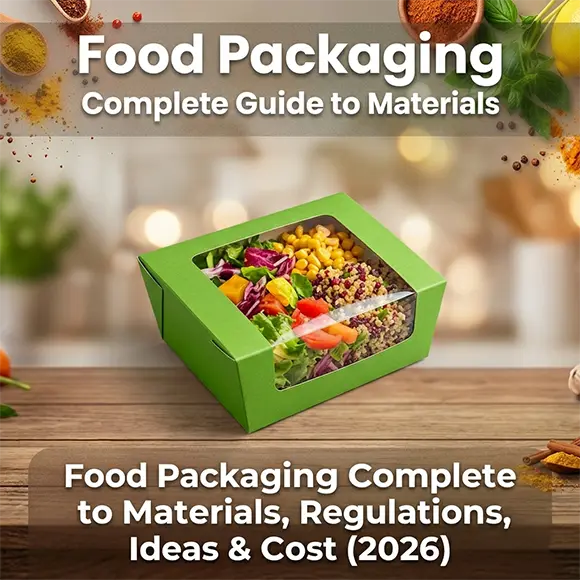
- Window Packaging (See-Through Design)
Window packaging is done in a box or pouch that comes with a see-through end, which enables the customer to have a look at the dry fruits.
Why it works:
- Instantly build trust by showcasing quality
- Increases impulse buying behavior
- Minimizes the purchase hesitation of customers
Best for:
- Bakery goods (cookies; cupcakes; brownies)
- Snacks and dry foods
- particular foodstuffs prepared or manufactured artisanally
Window packaging mainly exploits the psychology behind the fact that customers “eat with their eyes first”.
- Minimalist Packaging Design
The minimalist packaging basically puts emphasis on simple, clean, and modern kinds of designs, at the same time using fewer colors along with clear typography.
Why it works:
- Provides a high-quality nature
- Lessen the visual overload and increase the readability.
- Fits with modern branding methods
Best for:
- Organic food brands
- Healthy and premium snacking
- Gourmet products
Most of the time, it is more powerful to do “less design” because it makes a brand stronger.
- Eco-Friendly Packaging
Sustainable materials like kraft paper, environmentally friendly plastics, or compost containers are employed in eco packaging.
Why it works:
- Create a brand image that stands on responsible and ethical morals
- The global need for sustainable packaging is rising.
Best for:
- Organic food brands
- Cafes and takeaway businesses
- Health-focused food products
Today, Sustainability is not optional — but a key factor in the purchasing process for customers.
- Personalized Packaging
Help your brand stand out and make it feel even more personal through the incorporation of customer names, messages, or customized branding features.
Why it works:
- Builds emotional involvement with customers
- Encourages repeat purchases
- Higher social media sharing (unboxing experience)
Examples:
- “Thank you, Sarah!” printed on the box
- Custom birthday messages
- Limited-time discount codes in packaging
It is the customization that transforms an ordinary product into an unforgettable experience.
- Themed & Seasonal Packaging
Themed packaging alters its design according to seasons, festivals, or special events like Ramadan, Christmas, Valentine’s Day, or summer promotions.
Why it works:
- Creates urgency and excitement
- Boosts seasonal sales
- Encourages repeat customer engagement
Examples:
- Ramadan special food boxes
- Christmas gift packaging
- Valentine’s dessert packaging
Seasonal packaging allows brands to stay in the spotlight throughout the year.
Why Creative Packaging Matters for Small Businesses
An excellent food package design will certainly reflect on the way customers take in a product. Good packaging can give your food a premium appearance even if it is mediocre.
Key Impact:
- Increases perceived product value
- Improves brand recognition
- Increase Building Consumer Trust and Loyalty
- Improve Marketing Through Social Media
More often than that, better packaging = higher sales without working on the product at all.
Food Packaging for Different Businesses (Complete Guide 2026)
Packaging needs vary for different food businesses. For instance, a bakery cannot pick the same packaging as a fast-food delivery service, and a homemade food brand calls for a different style from that of a premium desserts shop.
A good packaging strategy can also improve freshness, costs, and satisfaction.
- Bakery Packaging
Bakery goods are very sensitive as they rely on freshness, texture, and visual quality. It needs to present delicate items while still being appealing.
Common Bakery Packaging Types:
- Cake packing containers (sturdy or cardboard with handles)
- Cupcake containers (multi-slot holders)
- Transparent display panels such as window boxes
- Kraft trays and cookie sleeves
- Pastry wraps and paper bags
Key Focus Areas:
- Freshness protection → helps avoid ideation or injury
- Good presentation → increases perception of product value
- Form Support → prevents breaking during shipping.
Packaging in bakeries is an experience; it goes beyond a container.
- Homemade Food Business Packaging
Ensure trust and hygiene with packaging that is safe, affordable, and practical for homemade food businesses (home chefs, cloud kitchens, small caterers).
Common Packaging Types:
- Airtight plastic or BPA-free containers
- Compartment meal boxes
- Branded stickers or labels
These are basically delivery bags made from plain kraft paper.
- Leak-proof containers for gravies
Key Focus Areas:
- Hygiene and safety: Establish customer trust
- Low cost of packaging → important for a small margin
- Control of a portion and closure → prevents leakage, spoilage
When it comes to clean and secure packaging for homemade food businesses, repeat orders are directly affected.
- Fast Food & Delivery Packaging
Fast food alongside delivery is going a spring-back into packaging material for hot, in-transit also time delay without unbalance food value.
Common Packaging Types:
- Leak-proof meal and burger containers
- Pizza Boxes with Ventilation Holes
- Heat-resistant foil containers
- Insulated delivery bags
- Holder to secure water cups
Key Focus Areas:
- Leak-proof → prevents liquid waste whilst transporting for delivery.
- Retain heat → Which helps keep food warm and fresh.
- ensures storage and stacking performance
Packaging is directly linked to customer satisfaction and ratings in the food delivery business.
Cheap Food Packaging Ideas (Cost-Saving Guide)
The amount of packaging materials you use can also determine your profit margin — a crucial factor for startups, small businesses, and home kitchens. The aim is to save costs while not compromising either quality or branding.
Smart Ways to Save on Food Packaging Costs
- Buy in Bulk
Buying packaging materials in large quantities drastically lowers the cost per unit and enhances profit margins.
Best for growing businesses with predictable demand
- Use Standard Sizes
No custom molds all the way or crazy box sizes in phase one. Standard packaging sizes are:
- Cheaper to produce
- Easier to source
- Faster to restock
Once your brand is growing, you can add customization.
- Choose Kraft Material
Kraft packaging is one of the cheapest solutions.
- Affordable
- Eco-friendly
- Trendy and widely accepted
This pattern also creates a rustic, hand-made branding effect.
- Employ Least Printing (Stickers Instead Of Full Print)
Utilize: instead of having expensive full-color printed boxes.
- Blanks + branded stickers
- Stamp logos
- Simple label designs
- Reduces printing cost
- Allows flexibility in branding
- Easy seasonal updates
Why Smart Packaging Matters
Efficient packaging decisions help businesses:
- Increase profit margins
- Minimize waste and extraneous expenditure.
- Keep product quality and brand identity
- Scale operations faster
Smart packaging = More profit with less investment in food businesses.
Food Packaging Cost Breakdown (2026 Guide)
Food brands, especially small and medium-sized ones, need to comprehend the cost structure of packaging. It’s an expense, but it is also a part of the product value, branding, and customer experience.
A cost breakdown can give you better choices as far as deciding affordability, quality, and the impact of branding.
Factors Affecting Food Packaging Cost
Directly determine factors affecting your packaging costs. Every factor can have a huge impact on your overall packaging budget.
- Material Type
The main cost driver in packaging is the type of material used.
- Plastic packaging → Low cost, manufactured on a large scale
- Paper & kraft packaging → Affordable to mid-range, environmentally friendly
- Glass packaging → High price, fancy, and also reusable
- Metal packaging → Expensive, High shelf-life, and mild durability
- Biodegradable materials → Medium – high price range because of eco processing.
The more durable and high-quality the material, the higher the cost of the course.
- Customization Level
Customization is any way that your packaging is branded for you.
- Basic packaging (white boxes, no branding) → least expensive option
- Sticker branding —> a low price alternative for branding
- Custom printed boxes → may be more expensive, since it requires design and plates set-up
- Ornate finishing (emboss, foil stamp, UV coating) → cost/surface ceiling
- Higher degree of customization = better branding but greater cost.
- Bulk v/s Small Orders – Order Quantity.
- It is quantity that largely dictates unit cost
- Small orders → more expensive per unit
- Bulk Orders → Up to much cheaper in cost per unit
Production runs tend to be on the larger side since setup and labor costs are spread out, reducing per-unit cost in manufacturing.
- Printing Method
- Pricing also depends on the quality and technique of printing.
- Single color print → cost-effective
- Multi-color printing → Medium Cost,
- High-resolution offset printing → high cost
- Special Finishes (foil, matte, gloss, embossing) → premium price
- Branding and costs are often balanced in printing.
- Shipping and Logistics
This is where transport and handling costs often get neglected, but are very important.
- Distance from supplier
- Packaging weight and volume
- Material fragility, which raises the costs of transportation (example: shipping glass safely is more expensive)
- International purchasing (import taxes + freight cost)
It adds shipping costs because of heavier and more fragile packaging.
Food Packaging Cost Example
For a better idea of this with respect to pricing, here is a basic image:
- Basic Packaging
- Plain brown kraft box or plastic container
- No printing or branding
- Mass-produced
- Low cost
- Great for businesses and local food vendors
- Custom Printed Packaging
- Branded design with logo and colors
- Professional printing finish
- Custom sizing possible
- Higher cost
- Strong branding impact
- Suitable for growing businesses
Cost Comparison Summary
Packaging Type | Cost Level | Branding Impact | Best For |
Basic packaging | Low | Low | Startups, home businesses |
Kraft packaging | Low–Medium | Medium | Eco brands, small cafes |
Custom printed boxes | Medium–High | High | Restaurants, growing brands |
Premium packaging | High | Very High | Luxury food products |
Balance Between Cost and Branding
A packaging strategy is all about balancing cost and branding.
Smart Approach:
- Use simple + low-cost packing
- Use stickers or labels to showcase your brand
- Evolve into custom packaging as the business expands
Invest in premium packaging on high-margin products.
Why This Matters
Proper cost planning helps businesses:
- Increase profit margins
- Avoid unnecessary packaging expenses
- Maintain consistent brand quality
- Scale operations sustainably
Food business is not only about minimising cost — it is about increasing value per package unit.
Eco-Friendly Food Packaging (Future Trend)
Fundamentally, sustainability is now a basic need for the contemporary food sector. By 2026, sustainable packaging will no longer be a marketing option for companies; consumer demand, environmental awareness, or government mandates will have the better of them.
Companies that use sustainable packaging early save branding, trust from customers, and profits in the long run.
Popular Eco-Friendly Packaging Options
Eco-friendly packaging consists of materials or is designed to minimize the negative impact on the planet, aid in recycling, or decompose without causing damage to ecosystems.
- Kraft Paper Packaging
Kraft paper is the most popular eco-friendly packaging material.
- Made from natural wood pulp
- Biodegradable and recyclable
- Cost-effective for small businesses
It is widely used in applications like bakery, food takeaway, and snacks because it appears natural and environmentally friendly.
- Compostable Containers
Compostable packaging is defined as materials that will decompose into natural elements in a compost environment.
- Biodegradable and compostable materials (Cornstarch, sugarcane, bamboo fibre)
- Leaves no toxic residue
- Safe for environment-friendly disposal
Perfect for restaurants, delivery services, and organic food brands;
- Recyclable Plastics
So-called modern recyclable plastics are made to be recycled and reused a couple of times.
- Reduces plastic waste
- Widely available
- Applicable for liquid and packaged food
Aids companies to switch towards sustainability without entirely altering their packaging system.
Benefits of Eco-Friendly Packaging
Beyond the eco-friendly impacts, shifting to sustainable packaging will drive better business bottom lines as well.
- Attract Eco-Conscious Customers
Today, consumers like brands that are concerned about the environment. Sustainable packaging establishes a strong emotional bond with such customers.
- Improve Brand Image
Sustainable packaging builds brand positioning as:
- Responsible
- Modern
- Environmentally aware
That enhances confidence and brand loyalty.
- Meet Government Regulations
A new regulation that prohibits single-use plastics and non-recyclable items is being deployed in numerous countries.
- Helps avoid fines
- Ensures adherence to the food safety laws
- Supports long-term business stability
Why Eco Packaging Is a Competitive Advantage
Eco-friendly Packaging – Not a Trend but Market Differentiator
Companies that go green with their packaging will gain:
- Stronger customer loyalty
- Better social media reputation
- Higher product perceived value
- Increased long-term sales growth
Whenever the customers know they are purchasing eco-friendly packaged products, they will be charged more.
Food Packaging Trends in 2026
Immediate Release November 16, 2023, The packaging industry is on the brink of transformation driven by technology, sustainability, and changing perceptions among consumers. Keeping up with these trends ensures that businesses can stay competitive.
- Sustainable Packaging Dominance
- Global standard = Eco-friendly materials
- Reduction of plastic usage
- Increase in biodegradable materials
Government bans on non-sustainable packaging.
This, instead, has become the bare minimum, and sustainability is a non-negotiable
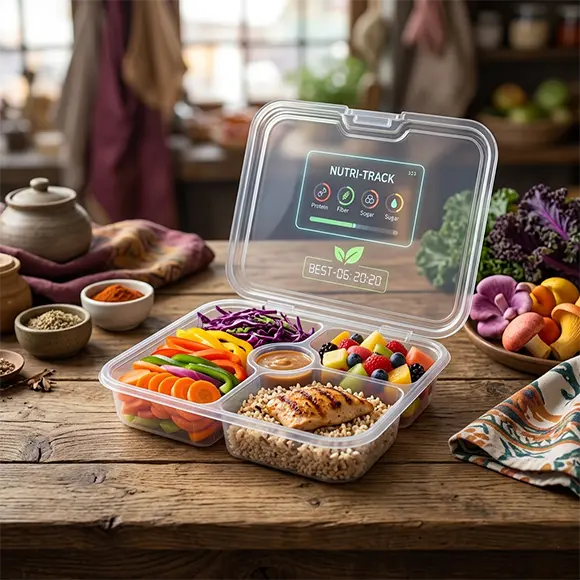
- Smart Packaging Technology
For example, smart packaging combines digital elements with physical packaging.
- Product detail QR codes
- Tracking and traceability systems
- Digital menus and promotions
Abridging the gap between tangible products and online experience for brands.
- Minimalist Design Trend
Minimal packaging design is experiencing its heyday.
- Fewer colors
- Clear typography
- Less visual clutter
Establishes a high-quality look and feel.
- Reusable Packaging Systems
Food delivery and retail are investing in reusable packaging.
- Returnable containers
- Refill packaging models
- Durable food storage systems
Minimizes waste and promotes customer loyalty programs.
Why Following Trends Matters
This is how businesses correctly adapt to modern packaging trends:
- Stay ahead of competitors
- Increase customer engagement
- Improve brand positioning
- Boost long-term profitability
Packaging innovation 2026 = an opportunity for business expansion.
Common Packaging Mistakes to Avoid
A good product can be sunk because of money decisions made around packaging. Businesses can avoid a direct comment; within those are plenty of ways in which defences aren’t constructed up or indirect review, a summary of your business is taking place at all proper with huge implications.
- Poor Sealing Quality
Weak sealing leads to:
- Leakage
- Contamination
- Product spoilage
Make sure the packaging is airtight and secure.
- Wrong Material Selection
The wrong materials damage food quality.
- Weak paper packages for sensitive foods
- Hot Foods in Non-Heat-Resistant Containers
Material must match product type.
- Ignoring Legal Regulations
The effects of not following packaging laws include:
- Heavy fines
- Product recalls
- Business shutdown risks
Always Follow Food Safety and Labeling Regulations
- Overcomplicated Design
The over-design can be counter-productive.
- Hard-to-read labels
- Confusing visuals
- Distracting branding
In general, you want simple packaging.
Why Avoiding Mistakes Matters
Avoiding packaging errors helps businesses:
- Save unnecessary costs
- Protect brand reputation
- Ensure legal compliance
- Improve customer satisfaction
Final Insight
Three forces shape the packaging of 2026
- Sustainability
- Technology
- Design simplicity
Early movers will be on a fast track to competitive advantage in the shifting food landscape.
Where to Buy Packaging
Buying packaging is as crucial as choosing the right place to buy it. A supplier has the capacity to provide quality, top-notch ordering, and service.
Do: Use Trusted Suppliers with Quality Products, Customization & Scalable Pricing. When sourcing packaging, be certain that you select suppliers who will deliver quality products and ensure consistent results in bulk packaging. The best supplier can make a huge difference for your brand image and profit margins, whether you are a home-based food business or a growing restaurant.
What to Look for in a Packaging Supplier
Prior to purchase, assess suppliers for:
- Customization Options
An ideal supplier allows you to customize the packaging according to your brand identity.
- Logo printing
- Custom sizes and shapes
- Color and design flexibility
- Branded packaging solutions
In such a competitive food market, custom packaging serves as a representation of your brand.
- Bulk Pricing & Affordability
One important factor, especially in the case of small businesses, is cost.
- Discounts on bulk orders
- Transparent pricing structure
- Flexible order quantities
This firm’s purchase limit will greatly lessen the cost of individual packaging and raise revenue margins.
- Eco-Friendly Material Options
Customers of today look for sustainable packaging solutions.
- Kraft paper packaging
- Biodegradable containers
- Compostable materials. Green packaging enhances your brand reputation and keeps pace with global sustainability trends.
- Fast and Reliable Delivery
It is appropriate to note that the bulk of business cannot function best without a correct and timely supply.
- On-time shipping
- Regional and worldwide delivery options
- Secure packaging during transit
Supplies need to be packaged, and if they are delayed, this can affect your sales and customer satisfaction directly.
Why Choosing the Right Supplier Matters
With a reputable packaging supplier, you will get help in:
- Maintain consistent product quality
- Develop a strong professional identity
- Reduce long-term operational costs
- Comply with food safety standards
- Scale your business efficiently
Choosing suppliers poorly can result in inconsistent packaging, cost inflation, and brand damage.
FAQ Section: Food Packaging Purchase Guide
Where Can I Buy Packaging for Small Businesses?
However, packaging supplies are best purchased from suppliers who provide customization, bulk prices, and eco-friendly options in 2023. Small businesses can benefit significantly from online packaging companies and specialty manufacturers that offer low MOQs with complete branding support.
Does that mean modern packaging suppliers offer low minimum order quantities (MOQs)?
Yes, many do now. Even more convenient for startup and home-based food companies testing the waters. Though biodegradable packaging is slightly more expensive than traditional plastic, demand is increasing, and the price difference has been narrowing. This, in return, allows improved brand perception, customer trust, and compliance advantages.
What is the best packaging for delivery?
The best options for delivery companies are,
- Leak-proof containers
- Heat-resistant boxes
- Insulated packaging bags
These guarantee food safety, temperature control, and customer satisfaction.
How significant is customization when it comes to packaging?
Why Customization is Really, Really Important:
- Builds brand recognition
- Improves product presentation
- Increases customer loyalty
- Enhances perceived product value
PackifyMe – Packaging Partner You Can Trust
The quality, affordability, and customization of the packaging solution start with selecting suitable suppliers.
PackifyMe provides custom packaging solutions for small and advancing businesses — here are a few:
Various customizations with branding and designs
- Pricing is competitive and bulk
- Eco-friendly packaging materials
- Timely delivery service
Final Insight
A suitable packaging supplier is not merely a supplier; it is a long-term business associated with the brand. Quality packaging leads to better branding, consumer satisfaction, and sustainable growth.
Good packaging = better business performance in the modern food industry